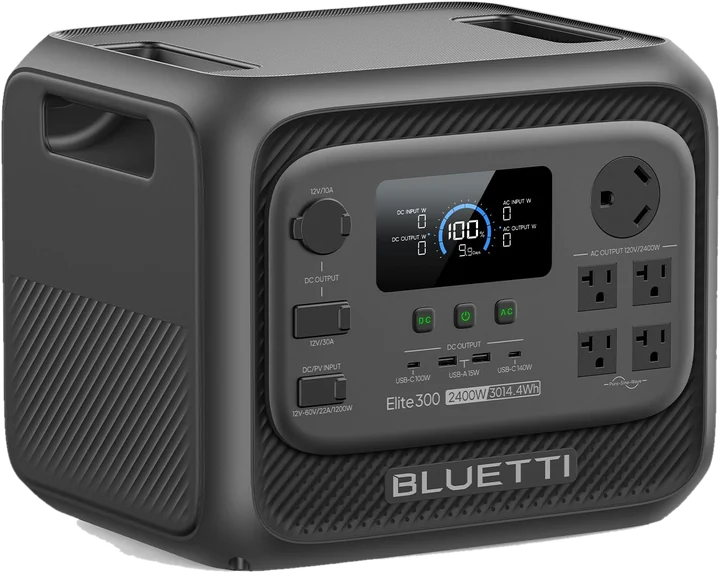
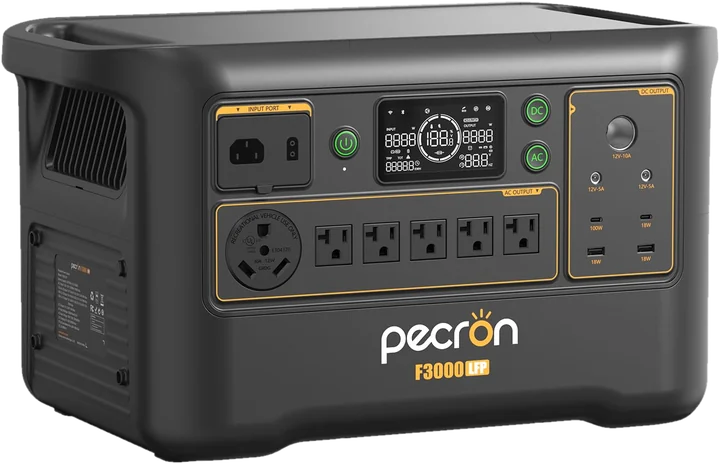
Home battery tax credit 2026: why the federal credit is gone and what backup costs without it
As an Amazon Associate I earn from qualifying purchases.
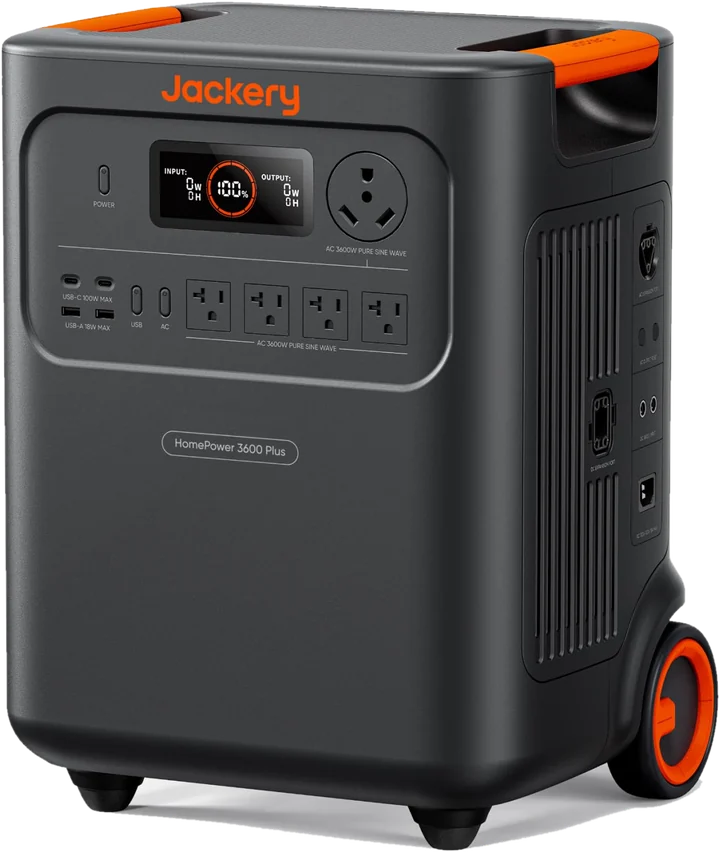
No federal credit covers a battery installed after December 31, 2025. Porchlight's pick for a home battery in 2026 is the Jackery Explorer
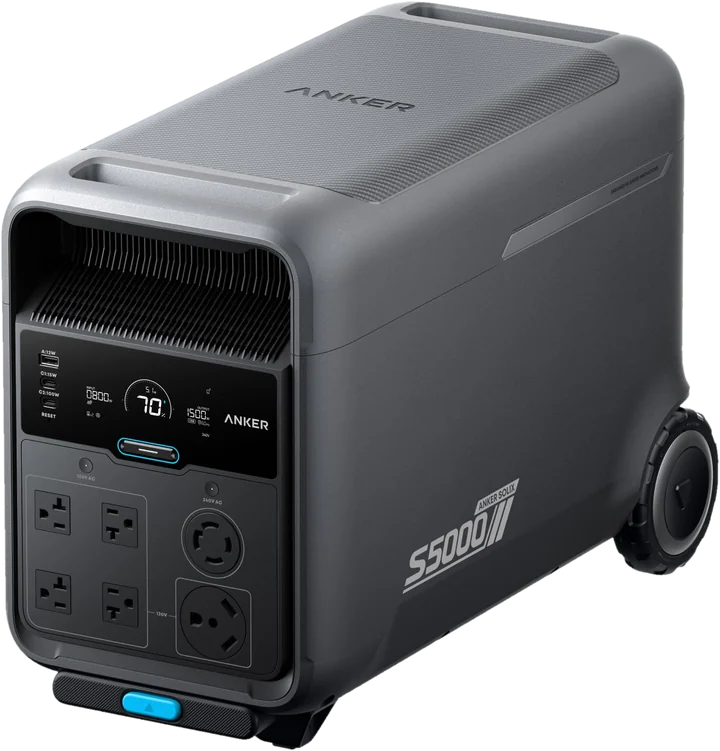 Promising, but unproven at retailAnker SOLIX S5000
The home battery tax credit is gone. The federal credit paid nearly a third of a home battery's cost, and it stopped on the last day of 2025. The IRS now says so plainly: the credit "is not available for any property placed in service after December 31, 2025." A battery installed this year is bought at full price. EnergySage's 2026 figures put an installed system the size of a Tesla Powerwall 3 at five figures before any state help. That changes what we'd buy. Porchlight's pick for a home battery in 2026 is the Jackery Explorer
The home battery tax credit ended with 2025
The Residential Clean Energy Credit covered three tenths of the cost of qualifying home energy equipment. From 2023, that included home batteries above a small minimum size. The IRS page now limits it to property "installed anytime from 2022 through December 31, 2025." Then comes the sentence that settles it: "The credit is not available for any property placed in service after December 31, 2025."
On an engineering drawing, the note that says where a part ends outranks every paragraph describing it. I'd treat that sentence the same way. The confusion is partly the IRS's own doing. Further down, the same page still promises the credit "until the credit begins to phase out in 2033." That is leftover text nobody tidied, and EnergySage reports the same December 31, 2025 end date. Meanwhile Google's AI summary still tells searchers that home batteries are often eligible for the federal credit. If a quote on your kitchen table assumes that discount, it is counting money that isn't coming.
Does a battery bought in 2025 but installed in 2026 still count?
No. The IRS ties the credit to the tax year "when the property is installed, not merely purchased." A battery paid for in December and wired in during January earns nothing. If your install was finished in 2025, the IRS lets unused credit carry forward to later years.
Can a leased or subscription battery still get a credit?
Only at one remove. EnergySage says leased batteries still qualify for the commercial credit. It goes to the company that owns the battery, which may pass some of the saving on. Base Power, an electricity provider in parts of Texas and Illinois, puts a battery at your home bundled with an energy plan. Its prices vary by utility area. Know the trade before you sign. That battery also works for the grid, and Base says some charge always stays in reserve for you, but not how much.
What this means for what you buy
With the subsidy gone, the installed whole-home battery is back to full price. That makes the modular
What home battery backup costs now, with no credit
Here are the sums, all at full price. The yardstick is EnergySage's 2026 average cost per kilowatt-hour of storage for an installed battery, installer included.
An installed battery the size of a Tesla Powerwall 3 runs to five figures at that average, before any state help.
The Jackery Explorer
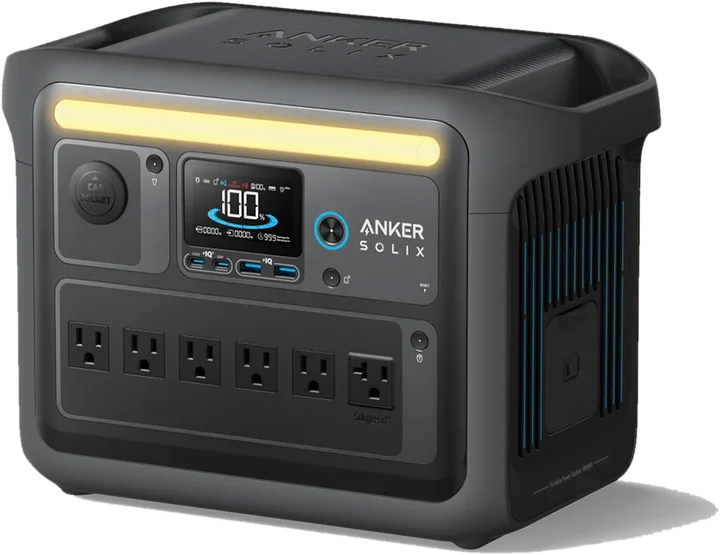
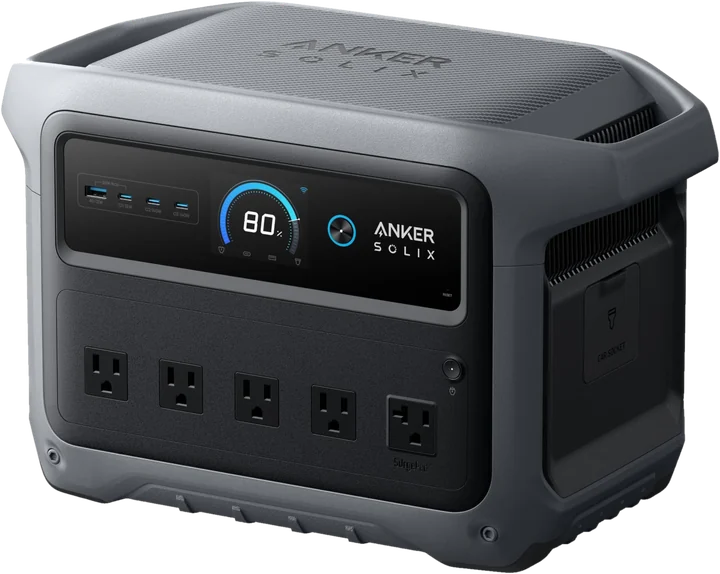
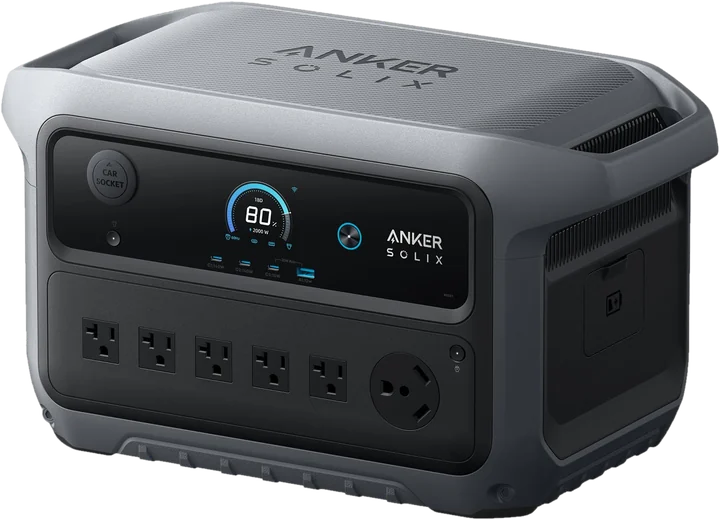
The Anker SOLIX S5000 sits under $3,000 for
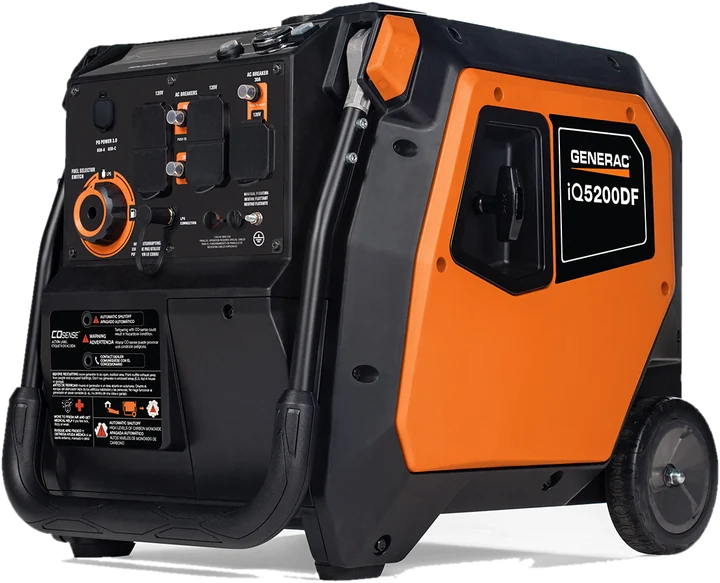
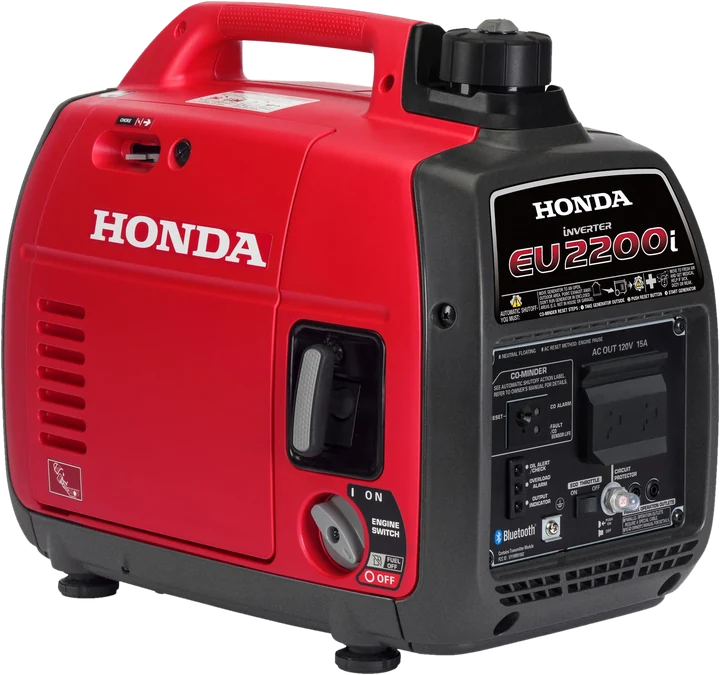
A standby generator. One owner's 2021 invoice for a natural-gas Generac Guardian came to five figures, even after discounts. It covered the generator, transfer switch, gas line, permit and installation. That is a little more than three Jackerys at the top of their band. In return, it runs as long as the gas does. It is one home and five years old, but a real invoice beats an estimate. Our portable vs standby generator guide works through those costs. For a home that wants power back by itself without a standby install, it lands on the same Jackery.
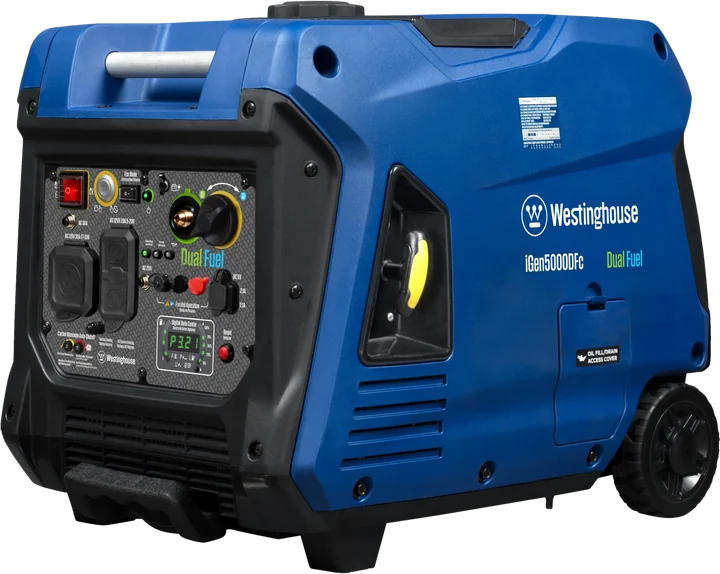
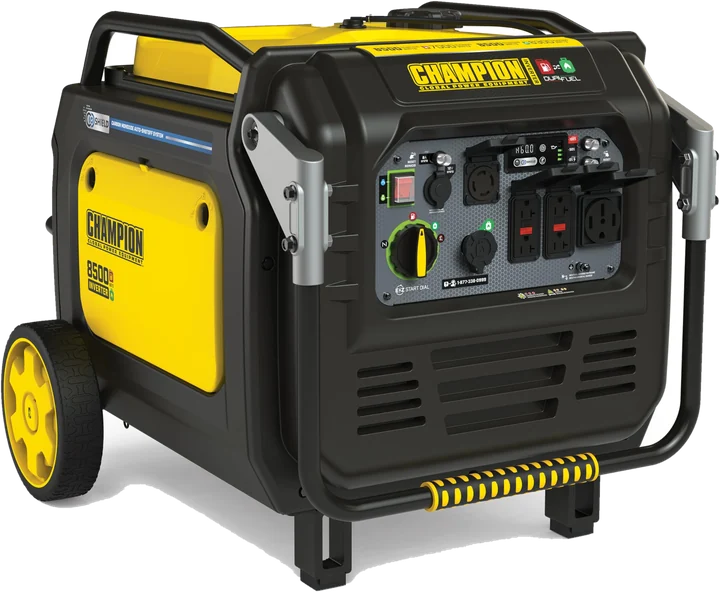
A portable generator is the cheapest whole-house route. The Champion 201175, under $1,900, makes
| Option | Energy stored | Cost per kilowatt-hour against an installed battery | Our call |
|---|---|---|---|
| Installed home battery (EnergySage average) | Powerwall size | The benchmark, installation included | No credit left to soften it |
| Jackery Explorer | Under three fifths on the label, under seven tenths measured; transfer switch extra | Buy View on Amazon | |
| Anker SOLIX S5000 | About half on the label; untested at retail | Wait | |
| Standby generator (one 2021 invoice) | None: runs on the gas line | A little more than three Jackerys, installed | See our standby guide |
| Champion 201175 | None: runs on gas or propane | Cheapest route, plus wiring | For a panel interlock, see its review |
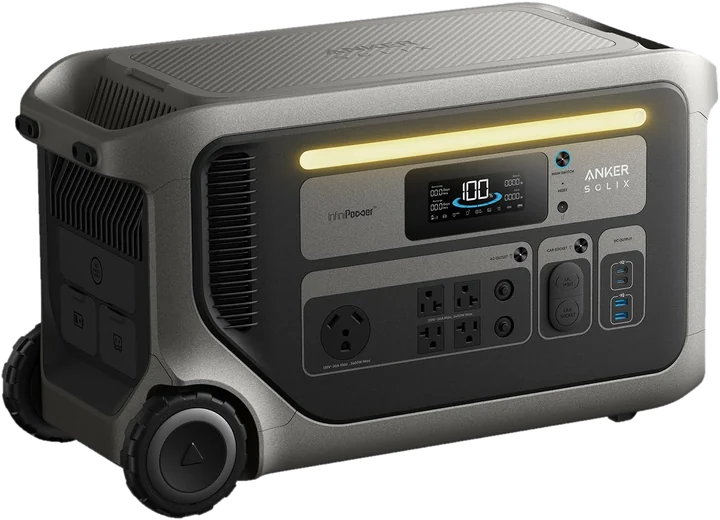
Anker's older
Is a home battery worth it without solar now?
For the money alone, only on the right rate. EnergySage says a battery without solar can pay on a time-of-use rate. On net metering and a flat rate, you may see no direct financial gain. State programs such as California's SGIP rebates and Massachusetts' ConnectedSolutions still help where they apply. Everywhere else, a 2026 battery earns its keep like a spare tire. It pays off the night the grid fails and the freezer full of food stays frozen. Our guide to whole house battery backup without solar covers that job in depth.
Jackery Explorer 5000 Plus : the home battery we'd pick for backup
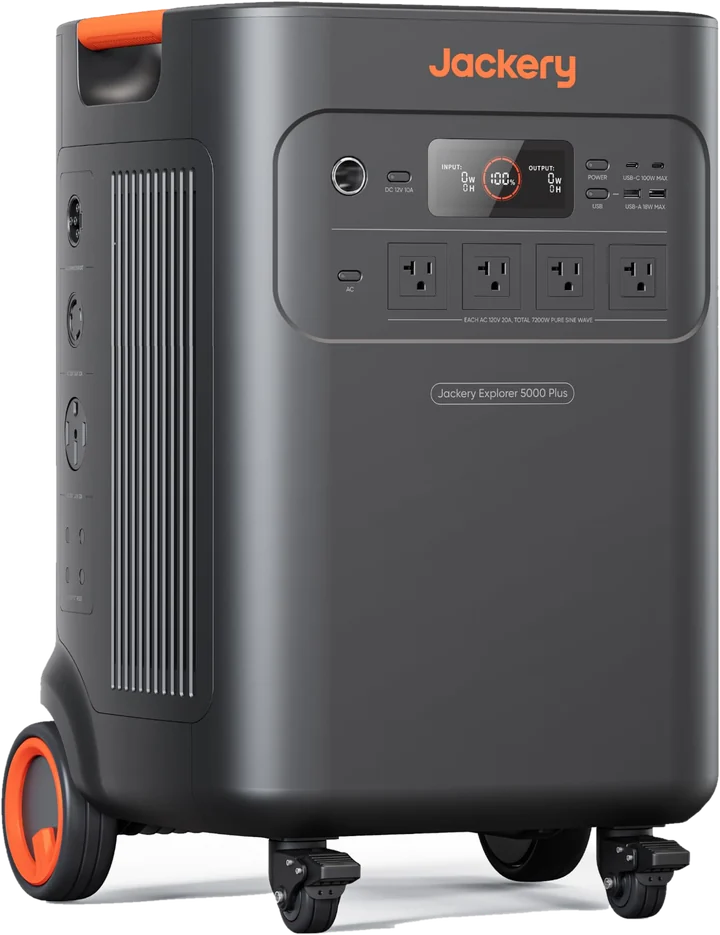
Jackery prints three big promises on this box. It claims
The steady power is real. ReeWray Outdoors loaded it to within a hair of the full
The surge figure is another matter, because nobody has seen
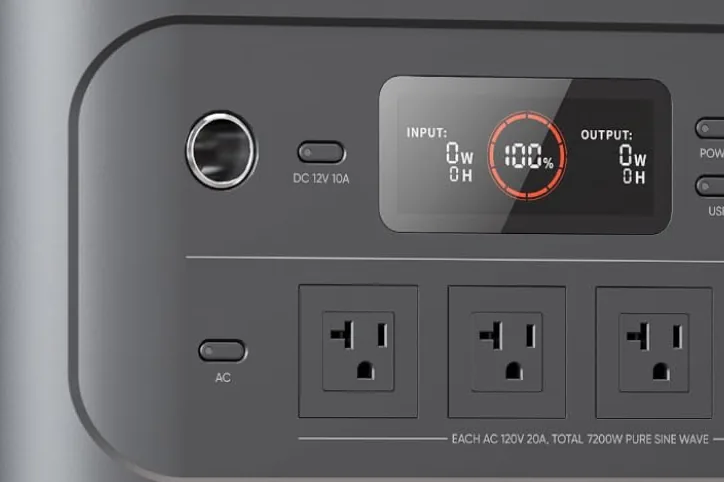
The zero milliseconds is true in one mode, on the four
Idle draw is the tax a station pays for being on. Jackery quotes it honestly:
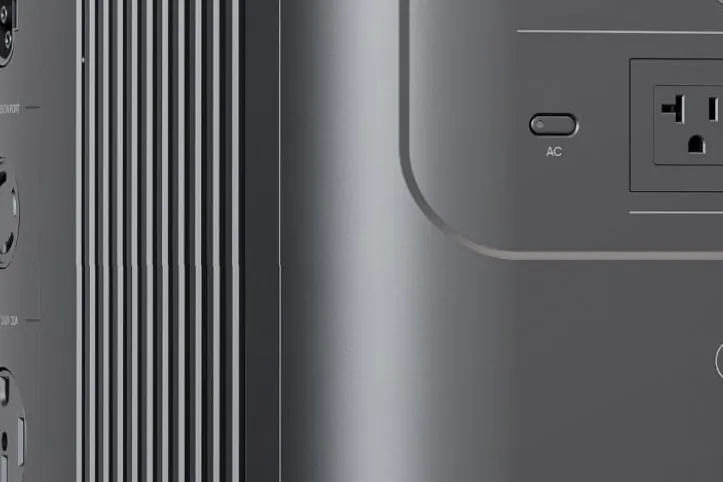
The one real catch is the wiring. Two testers found its outputs leave neutral and ground unbonded. EV chargers refused to run until a bonding plug went in, and nobody has tested a furnace on it yet. That is a problem to solve once, at install time. Raise it with the electrician before the quote, not after the first outage.
We'd buy it. It gives quiet
Anker SOLIX S5000: wait for tests on shipping units
Anker launched it in late October 2026. It is rated for
Our pick for a home battery in 2026: Jackery Explorer 5000 Plus
The credit is gone, and no ruling brings it back for a battery installed this year. The whole bill is yours, so the money should go on numbers someone has checked. The Jackery Explorer
The evidence in full
The tax credit
| Source | What it says | Status |
|---|---|---|
| IRS credit page (read | Credit covers property "installed anytime from 2022 through December 31, 2025. The credit is not available for any property placed in service after December 31, 2025." Claimed in the tax year installed, not purchased; unused credit carries forward | Operative |
| Same IRS page, lower down | "until the credit begins to phase out in 2033" | Pre-2025 text not updated |
| IRS FAQ (Fact Sheet 2025-01, last reviewed 18 Jan 2026) | Describes the credit running to 2034 | Pre-2025 text not updated |
| EnergySage news | Same December 31, 2025 end date | Agrees with the operative line |
| Google AI Overview (read | Describes home batteries as often eligible for the federal credit | Out of date |
| EnergySage storage guide | Leased batteries qualify for the commercial credit, which goes to the owner company | The 48E statute itself was not read |
Whether a plug-in portable power station ever qualified is not addressed on any page we kept. It is moot for 2026.
Cost sums
- Benchmark: EnergySage's 2026 average installed cost per kilowatt-hour of storage, with a five-figure total for a Powerwall 3-size battery before state or local incentives. The exact averages are on EnergySage's energy storage page.
- Jackery Explorer
5000 Plus : band under $3,500 divided by5,040 Wh comes to under three fifths of EnergySage's per-kilowatt-hour average. Divided by ReeWray's measured4,374 Wh , under seven tenths. Transfer switch and electrician not included, and no cost for them was found. - Anker SOLIX S5000: band under $3,000 divided by
5,024 Wh comes to about half the average, on the label only. - Standby: one owner's 2021 invoice for a Generac Guardian on natural gas, a five-figure total all in after discounts, covering transfer switch, gas run, surge protector and permit. One home, more than 12 months old. A Google AI Overview range for standby installs is unsourced and not used.
Jackery Explorer 5000 Plus (JE-5000A)
| Claim (manual, FAQ, page) | Measured or observed | Who, unit, date |
|---|---|---|
| ReeWray Outdoors, US, Sep 2026 | ||
| Held just below its rating on | ReeWray Outdoors | |
| Overload at about | Herb-O-Matic, US, Oct 2026 | |
| Held | The Solar Lab, US, Apr 2025 | |
| Motor starts | Three-ton central AC started without a trip (the locked-rotor amps shown are the AC's nameplate value, not a measured inrush) | ReeWray Outdoors |
| Motor starts | One-and-a-half horsepower 230-volt well pump with a 3-wire control box, no soft start, starts through the Smart Transfer Switch; app showed about | GearDiary owner, after about a month of ownership; site discloses supplied products |
| Manual | ||
| UPS via Smart Transfer Switch | About | The Solar Lab article; GearDiary (UPS mode on; about a second if charging, several seconds with UPS mode off) |
| UPS via Smart Transfer Switch | About three seconds, and no takeover with the inverter on | Will Prowse, launch unit, Nov 2024; firmware since not documented |
| The Solar Lab; ReeWray Outdoors | ||
| AC charge | The Solar Lab | |
| Neutral | Floating: EV charger refused it until a bonding plug was used | ReeWray Outdoors; Will Prowse saw the same with a Tesla connector |
Other notes: the manual stops charging below 32°F (
Call: buy it for
Anker SOLIX S5000 (AS510)
- Claims (Anker page and launch materials):
5,024 Wh LFP,4,500 W continuous,8,000 W peak for a fraction of a second,10 ms UPS,8.8 W idle at120 V ,97 lb , 5-year warranty,UL 9540 and 9540A,86 h fridge runtime in Anker's internal test. Not compatible with the Home Power Panel; expansion only with BP5000 packs. - pv magazine USA (Andrew Riha, pre-release unit, Northern California, Oct 2026):
4,870 Wh usable by app reading (output not metered); 78% round trip; about10 W idle;219 min to charge on120 V ;61.5 h on a fridge and phones during a real PG&E shutoff, ending with charge to spare. That is a pace over part of the battery, not a rundown. The Smart Generator cable would not seat in the pre-release unit. - Bob Vila (Paul Rankin, pre-release unit, a month in Florida): fridge ran
86 h to empty; PC stayed up through a UPS cutover;210 min to charge on120 V . - Gaps:
240 V output, per-leg limit (a two-leg split claim from a summary channel is unverified), motor starts, cold charging, neutral bonding (only a secondary site attributes "floating" to Anker), retail units, owner reliability. FCC grant 2AOKB-AS510; manuals confidential until2027-03-10 .
Call: wait for tests on shipping units and its
Anker SOLIX F3800 Plus (A1790P)
- Claims:
3,840 Wh ,6,000 W at 120/240 V ,L14-30R andTT-30R limited to25 A ,80 A locked-rotor rating per the US user guide (not stated whether per leg). - Silver Cymbal (Apr 2025):
3,235 Wh usable; idle loss 50% of the battery in24 h on launch firmware, 25% after Anker's update. - CNET (July and August 2026): fridge ran
25.68 h , with 46.63% inverter overhead loss. The firmware is not stated, so whether the idle fix applied is open. - Results from the original F3800 (A1790), including a well pump and heat pump start, belong to a different model and are not used.
Who it's for: homes wiring a
Champion 201175
- Manual and maker page:
8,500 W starting,7,000 W running on gas,6,300 W running on propane, 120/240 V , under 3% THD claimed, neutral bonded to frame, CO Shield shutoff,14 h at a quarter load on5.33 gal ,64 dBA from23 ft ,213.9 lb , starts from 5°F. - No instrumented test of the exact 201175 was found. Tests on units with matching specs but no stated model code were not used.
- Lowe's reviews (all 231 read): three problem reports, covering oil use after a year with slow repair service, overloads above about
6.2 kW , and a propane quick-connect that fits only small tanks. Three owners report prompt starts in freezing weather. - No CPSC recall names the 201175.
Testers and samples
ReeWray Outdoors, The Solar Lab, Will Prowse and Herb-O-Matic tested US units. Will Prowse's was a launch unit. GearDiary's owner review discloses supplied products and advertising income. Both S5000 tests used pre-release units. CNET's fridge test method is inferred from its list page.
Research count for this page: 4 models weighed; 2 maker manuals among them; across this site's research, 589 sources kept in full.
Sources
- IRS: Residential Clean Energy
Credit (opens in a new tab) - IRS: Frequently asked questions about energy efficient home improvements and residential clean energy property
credits (opens in a new tab) - Jackery Explorer
5000 Plus user manual (US,JE-5000A) (opens in a new tab) - Jackery FAQ: Explorer
5000 Plus basicinformation (opens in a new tab) - Jackery Explorer
5000 Plus US productpage (opens in a new tab) - Anker SOLIX S5000 US product
page (opens in a new tab) - Anker SOLIX
F3800 Plus specifications (opens in a new tab) - Champion 201175 operator's
manual (opens in a new tab) Champion 201175 product page (opens in a new tab) - EnergySage: Energy storage
(2026) (opens in a new tab) - EnergySage: H.R. 1 ending clean energy tax
credits (opens in a new tab) - ReeWray Outdoors: Jackery Explorer
5000 Plus test (Sep2026) (opens in a new tab) - The Solar Lab: Jackery Explorer
5000 Plus test (Apr2025) (opens in a new tab) - The Solar Lab: What is a smart transfer
switch (opens in a new tab) - Will Prowse: Jackery Explorer
5000 Plus launch unit (Nov2024) (opens in a new tab) - Herb-O-Matic: Jackery Explorer
5000 Plus (Oct2026) (opens in a new tab) - GearDiary: Jackery Explorer
5000 Plus review (Sep2026) (opens in a new tab) - pv magazine USA (via now.solar): Anker SOLIX S5000 deep-dive
review (opens in a new tab) - Bob Vila: Anker SOLIX S5000
review (opens in a new tab) - Silver Cymbal: Anker SOLIX
F3800 Plus test (opens in a new tab) - CNET: Best portable power stations (fridge
test) (opens in a new tab) - Owner's standby generator install and upkeep (Generac Guardian,
2021) (opens in a new tab) Base Power company summary (opens in a new tab) - Google search results and AI Overview for generator vs battery backup for
home (opens in a new tab)