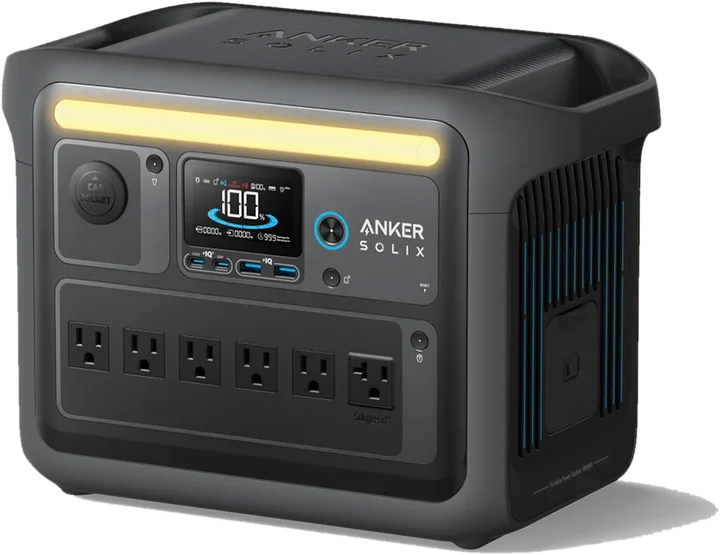
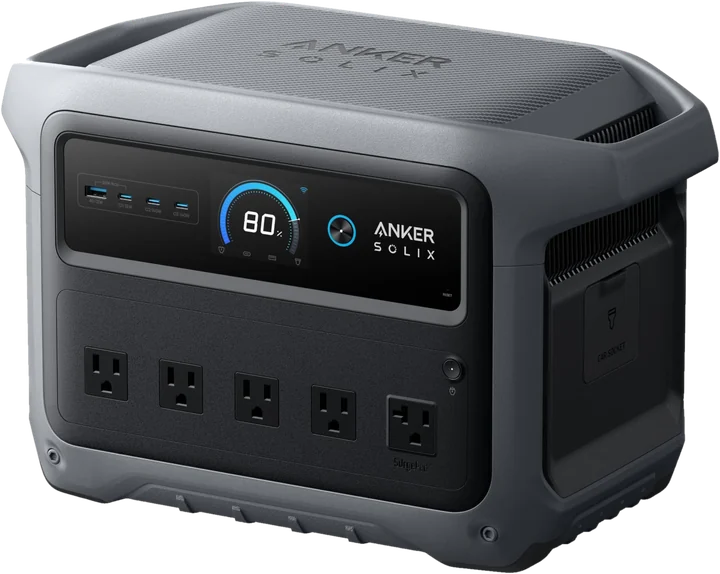
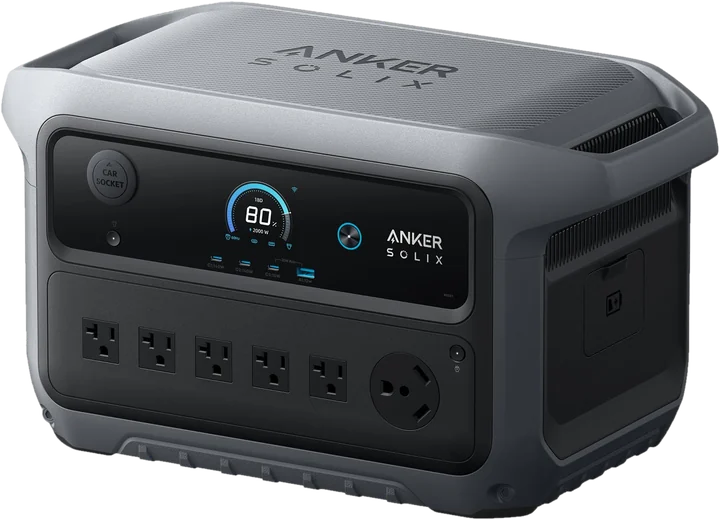
Anker SOLIX C1000 Gen 2 review for home backup: measured against the maker's claims
As an Amazon Associate I earn from qualifying purchases.
Porchlight's call: buy the Anker SOLIX C1000
- Who it’s forA household keeping a CPAP and the router going through a night or two, lifted by one person
- The catchIt can't take an extra battery, so one charge is all it will ever hold
In the evidence table
Open the full row- Idle draw with the AC on
14 W measured- Usable energy, measured
870.08 Wh measured- Rated capacity
1,024 Wh claimed- Continuous output (gas: running watts)
2,000 W claimed- Surge (gas: starting watts)
3,000 W claimed240 V output- 120V onlyclaimed
- Neutral-ground bond
- floatingclaimedsibling’s figure
- UPS switchover
10 ms claimed
Porchlight's call: buy the Anker SOLIX C1000
Anker SOLIX C1000 Gen 2 : what Anker promises against what testers measured
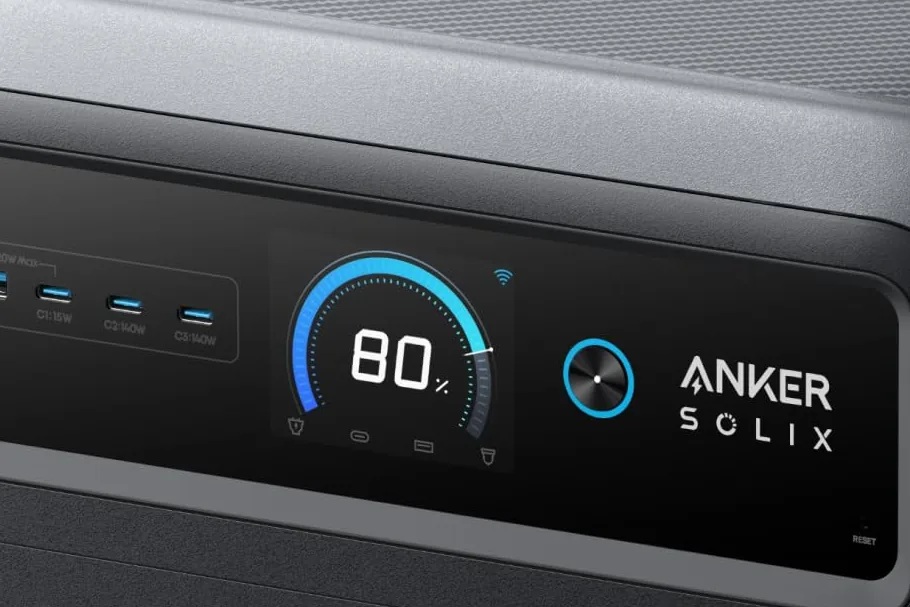
Most power stations get caught out on their big headline numbers. This one survives those. It gets caught on its smallest: what it spends sitting in a closet, switched on, waiting for the lights to go out. For a CPAP owner, that small number is the one that counts.
It is a
| What Anker promises | What testers got | Who measured, when | Where the unit came from |
|---|---|---|---|
| CNET Labs, Aug 13 2026 | Not stated | ||
| Jungle River, Nov 27 2025 | Not stated | ||
| 83% of the battery through the inverter | Minute Man Solar, Aug 30 2025 | Not stated | |
| Minute Man Solar, Aug 30 2025 | Not stated | ||
| Minute Man Solar, Feb 24 2026 | His own, in regular use | ||
| The Solar Lab, Oct 9 2025 | Not stated | ||
| CNET Labs, Aug 13 2026 | Not stated | ||
| The Solar Lab, Oct 9 2025 | Not stated | ||
| Under | Held a desk of computers and printers through a pulled plug; not timed | 2TWENTY2, owner, Sep 8 2025 | Bought his own |
| Worked on the C1000X | The Solar Lab, Oct 9 2025 | Not stated | |
| No surge test reported | Nobody | ||
| Quiet in use; fans loud while fast charging | Minute Man Solar; MacRumors | MacRumors: Anker supplied | |
| 4,000 charge cycles before the battery noticeably fades | Too new for anyone to test | Nobody |
Is the battery as big as the box says?
As big as any box ever is. The label counts the cells. Your outlets get what's left after the inverter takes its cut. Three separate testers landed between 83% and 85.0%, two of them within a few watt-hours of each other. That agreement is worth more than the label. Credit to Anker: the headline number holds.
What does it cost just to be switched on?
More than Anker says, less than most. Anker's feature list claims a
At home, the station eats close to two fifths of its usable battery a day doing nothing. With nothing plugged in, it would run itself flat in about two and a half days. That is still thriftier than the rivals its size we've weighed. So we forgive the fib, mostly.
Anker prints
How many nights of CPAP will it run?
Nobody has run a CPAP on it overnight, so no tester can give you a count. The measured numbers do settle the ceiling. The station's own upkeep costs about an eighth of the usable battery every eight-hour night. That comes before your machine draws anything. So even a CPAP that sipped nothing would get under eight nights, and yours will draw something. Our CPAP backup guide lines the stations up on nights of sleep and on what each maker says about medical use. The home backup power calculator runs the sum with your own devices.
Will it switch over fast enough for a CPAP?
It switches; nobody has said how fast. Anker claims under
A PC that doesn't crash is a fair sign the gap is short. Still, I'd want an oscilloscope trace before trusting a printed
Will it keep my fridge cold?
For an evening, not a weekend. The one full refrigerator run lasted
What won't it do?
It puts out
The manual for its C1000X
The good news: no CPSC recall names this model or any Anker power station. MacRumors left its Anker-supplied unit switched off for a month, and it lost 0%. That's a useful habit in a box that lives in a closet.
Who should buy something else?
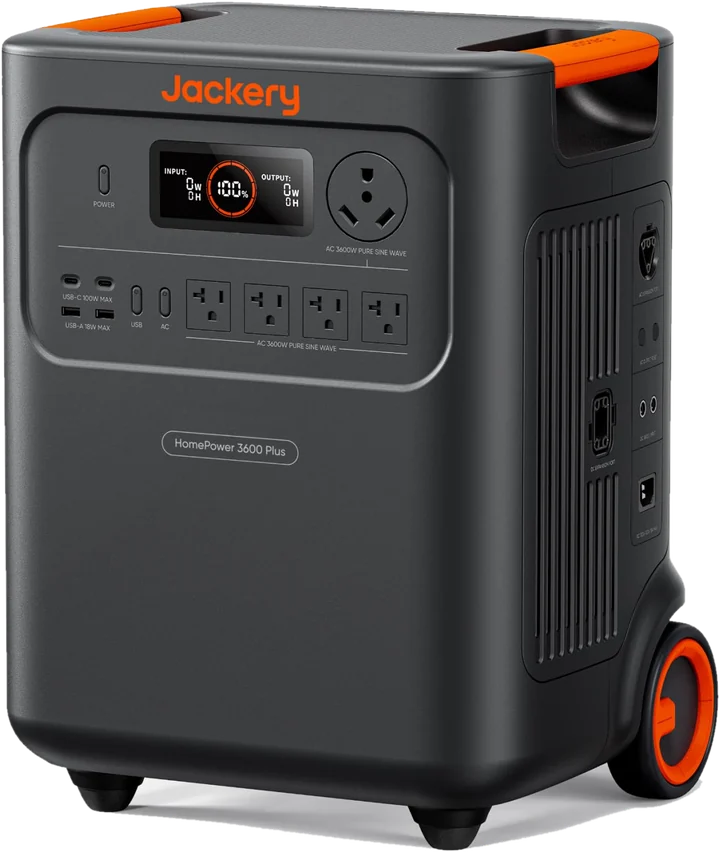
This is the light choice for short outages, not the answer to every CPAP night. If your CPAP has to ride out more than a night or two, our CPAP backup guide weighs the bigger options and makes a different overall pick. There, this station is the lightest choice for the bedside. Where a single battery has to carry the fridge as well as the CPAP, the same guide sends you to the Jackery HomePower
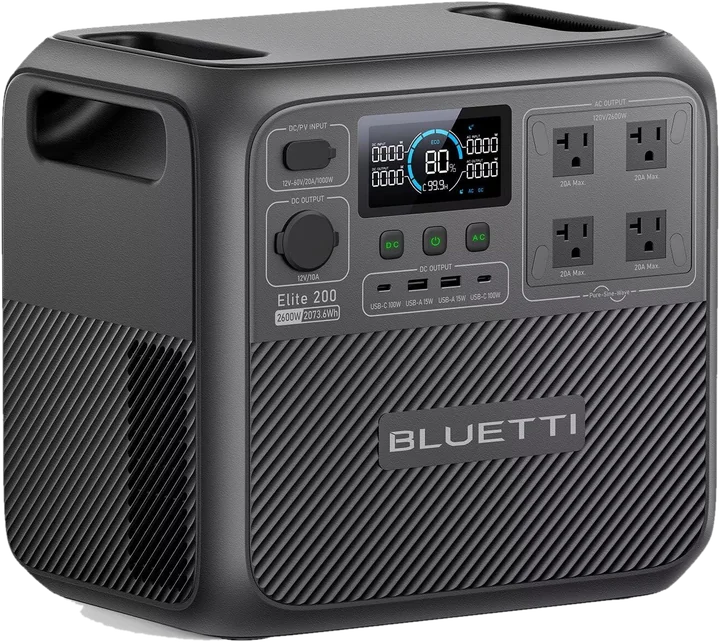
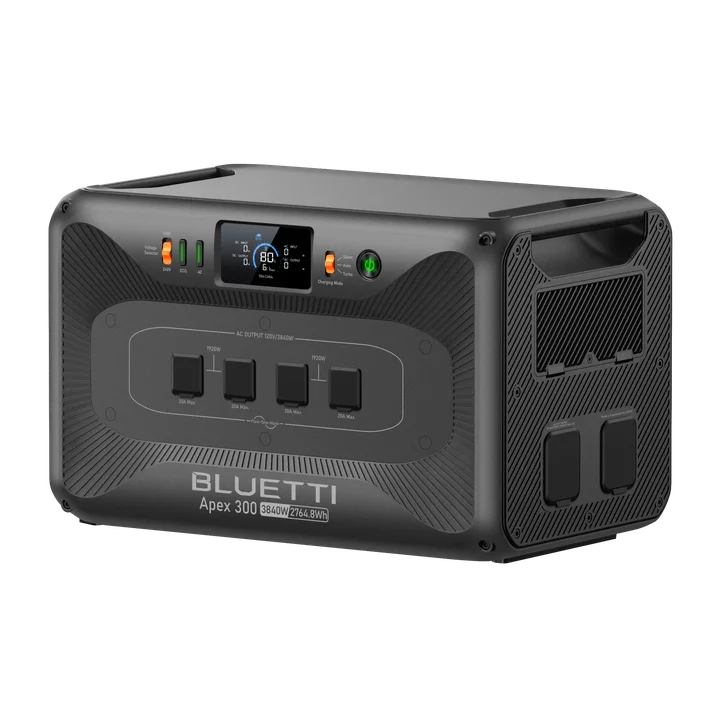
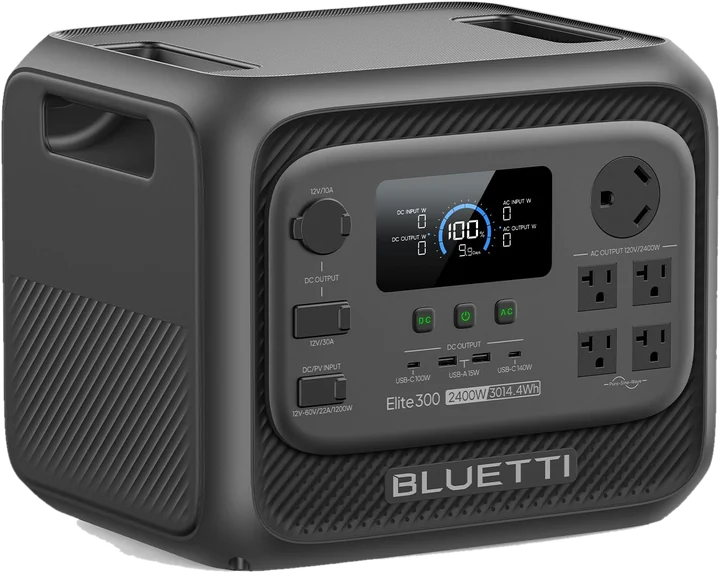
Some homes want one station standing guard over the CPAP or a sump pump, with energy left over for the fridge. For that bigger job, our home page names the BLUETTI Elite 300. It is a heavier box than this one, built for more than a bedside.
Renters who want the fridge,
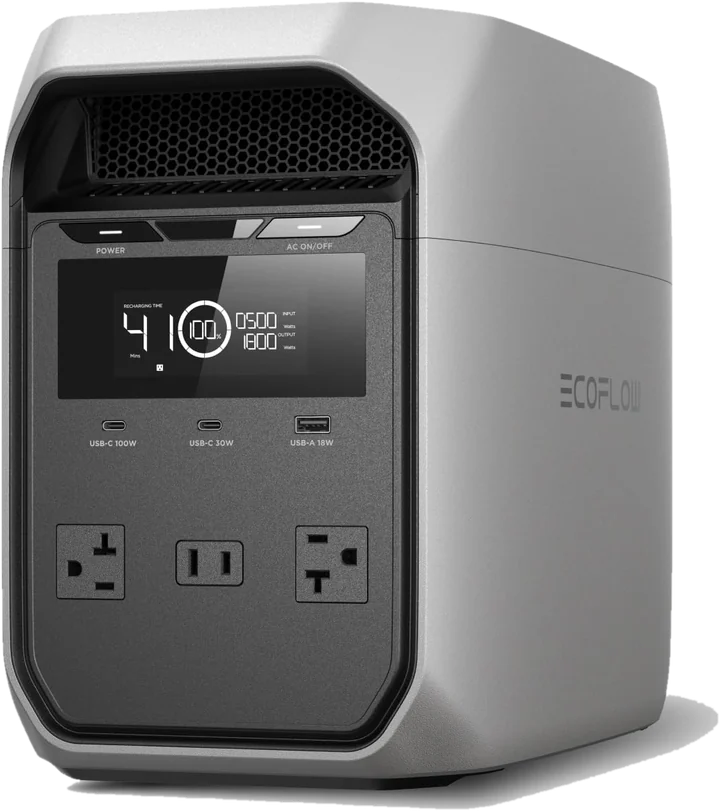
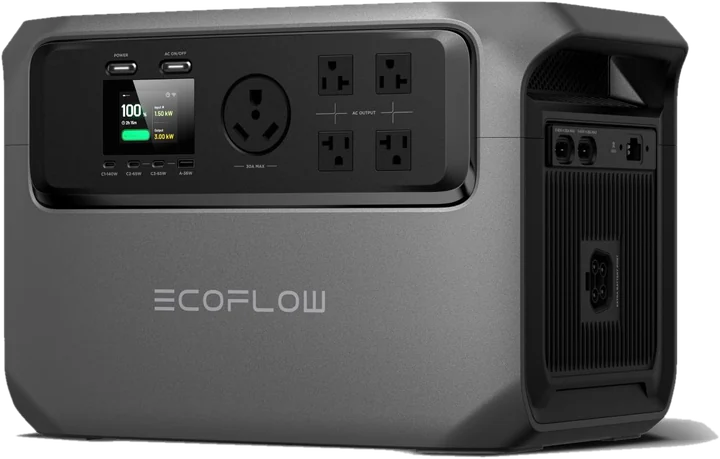
The EcoFlow DELTA 3 Classic covers two households this review doesn't. Our home backup roundup names it for keeping just
The one real catch: there is no expansion port, so this battery is all you will ever have. If your outages last days, not nights, you will outgrow it. No add-on will save you. If you need the food kept cold and the house lit and online for one to three days, our home page points to the Jackery HomePower
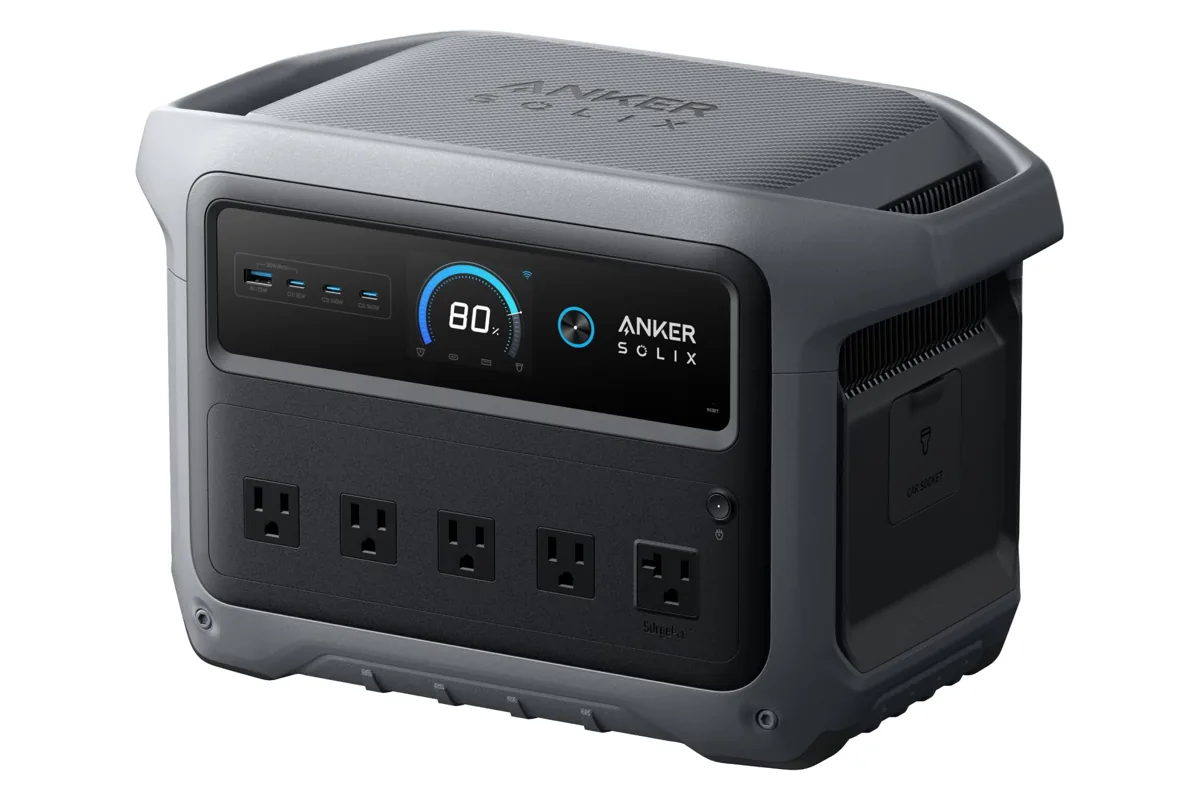
We'd buy it to keep a CPAP and the router going through a night or two, in a box one person can carry to the bedside.
The pick for a light bedside CPAP backup: Anker SOLIX C1000 Gen 2
Buy the Anker SOLIX C1000
The evidence in full
Lab and reviewer results, exact model (A1763)
| Tester | Date | Unit | What they found |
|---|---|---|---|
| CNET Labs | updated Aug 13 2026 | US site; market and source of unit not stated | |
| Minute Man Solar (launch review) | Aug 30 2025 | US; whether Anker supplied it not stated | Idle |
| Minute Man Solar (regular use) | Feb 24 2026 | His own unit, used regularly | |
| Jungle River | Nov 27 2025 | Market and source not stated | |
| 2TWENTY2 tech reviews | Sep 8 2025 | Owner; bought his own from Anker's site | Pulled the plug with a PC, 3D printer, vinyl plotter, wide-format printer, ham radio and air purifier running; all stayed on; not timed |
| MacRumors | Anker supplied | Review sample | 0% loss after a month switched off; heavy loads ran without trouble; fans loud during fast charging; AC outlets switch on by hand |
| The Gadgeteer | Dec 7 2025 | Anker sample | Source of Anker's |
Look-alike and uncertain-variant results, not the exact model
- The Solar Lab tested the C1000X
Gen 2 (Oct 9 2025): 86% discharge efficiency,13.8 W idle, full charge in47 min , UPS worked but untimed. It has mystery-shopped Anker's support line and rates it highly. - WIRED measured a
49 min charge on aGen 2 whose spec table lists UK outlet counts; the market of the tested unit is not stated, and WIRED's units come from makers or their PR firms. Not counted as the US model's result.
Disagreements that don't change the call
- Charge time: CNET's
59 min on this model is slower than the47 min The Solar Lab got from the C1000XGen 2 look-alike and the49 min on WIRED'sGen 2 of uncertain market. UltraFast must be switched on in the app and runs only on warm cells, and CNET doesn't say which mode it used. Likely, not confirmed. - Efficiency: CNET's 72.15% round trip on this model sits below Minute Man Solar's 83% on this model and The Solar Lab's 86% on the C1000X
Gen 2 look-alike because they are different measures. CNET's round trip counts the energy lost charging from the wall; the others measure discharge only. - Peak output: Anker's
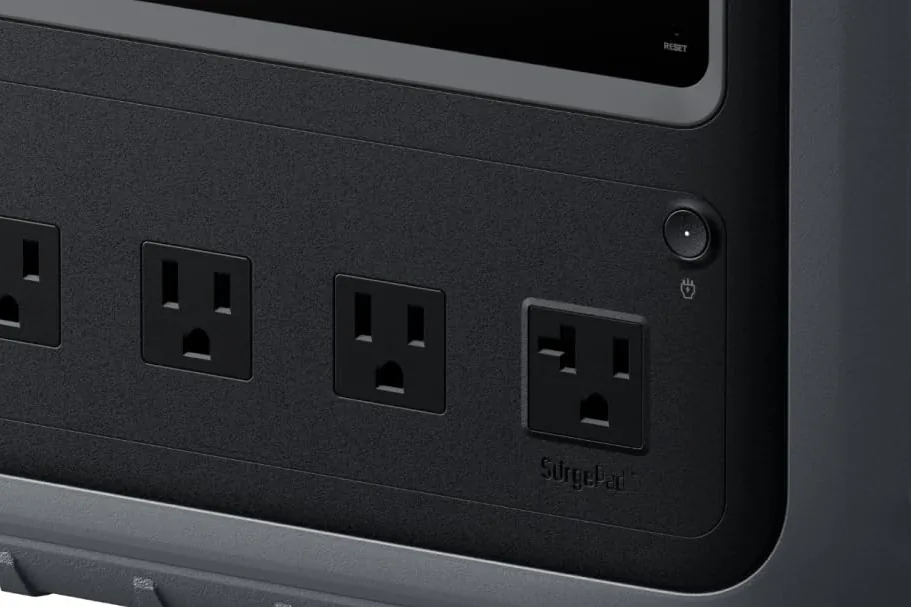
3,000 W peak is an instant figure; its2,400 W SurgePad is a separate mode for heating appliances, and Anker's troubleshooting guide says it is not for fridges or air conditioners.
Identity and records
- Model A1763. FCC ID 2AOKB-A1763 names both the C1000
Gen 2 and C1000XGen 2 ; latest application May 25 2025. - CPSC recall listing, downloaded Nov 13 2026: no recall names A1763 or any Anker power station. Anker's listed recalls are power banks, Soundcore speakers and EverFrost coolers.
Gaps
- The C1000
Gen 2 's own full user manual was not obtained; the grounding statement comes from the C1000XGen 2 manual, which shares its model code and FCC filing. - No overnight CPAP test, no timed switchover, no surge test and no furnace test on this model.
- Warranty length not confirmed on Anker's US product page.
- No Reddit owner reports this run, and Home Depot and Sam's Club review pages were blocked.
Research count: 1 models weighed; 2 maker manuals among them; across this site's research, 589 sources kept in full.
Sources
- Anker: SOLIX C1000
Gen 2 product page(US) (opens in a new tab) - Anker: C1000
Gen 2 Troubleshooting & UserGuide (opens in a new tab) - Anker: SOLIX C1000X
Gen 2 user manual(Lowe's) (opens in a new tab) - FCC filing 2AOKB-A1763 via
fccid.io (opens in a new tab) CPSC recall listing (opens in a new tab) - CNET Labs: best portable power
stations (opens in a new tab) - Minute Man Solar: C1000
Gen 2 launchreview (opens in a new tab) - Minute Man Solar: C1000
Gen 2 in regularuse (opens in a new tab) - Jungle River: C1000
Gen 2 capacitytest (opens in a new tab) - 2TWENTY2 tech reviews: C1000
Gen 2 as a PCUPS (opens in a new tab) - MacRumors: Anker SOLIX C1000
Gen 2 review (opens in a new tab) - The Solar Lab: C1000X
Gen 2 review (opens in a new tab) - The Gadgeteer: Anker SOLIX C1000
Gen 2 review (Anker's featurelist) (opens in a new tab) - WIRED: best portable power
stations (opens in a new tab)