Generator interlock vs transfer switch: which connection your generator or power station needs
As an Amazon Associate I earn from qualifying purchases.
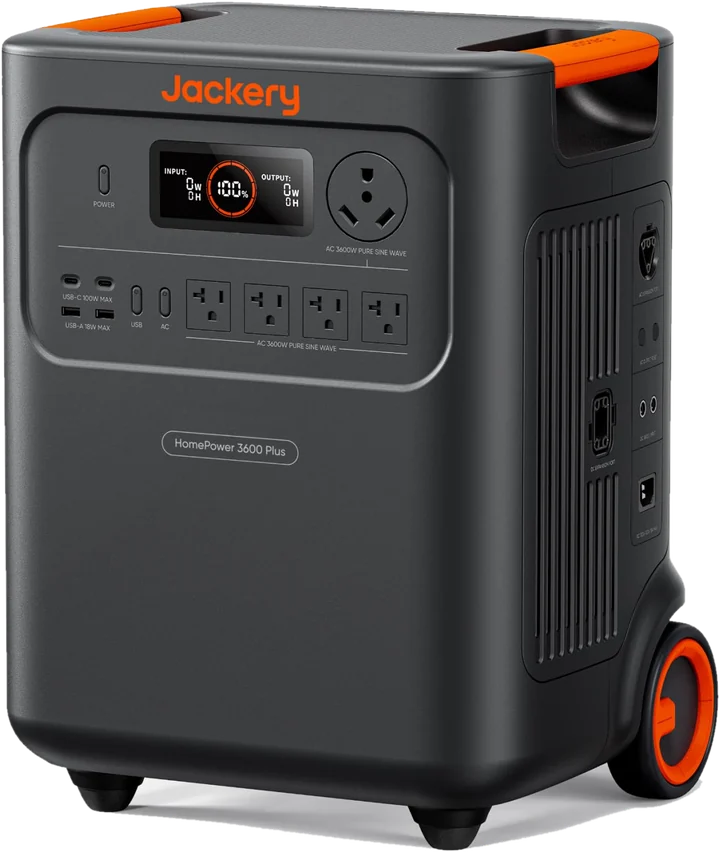
Porchlight's pick for connecting backup power so the gas furnace lights is the Jackery Explorer
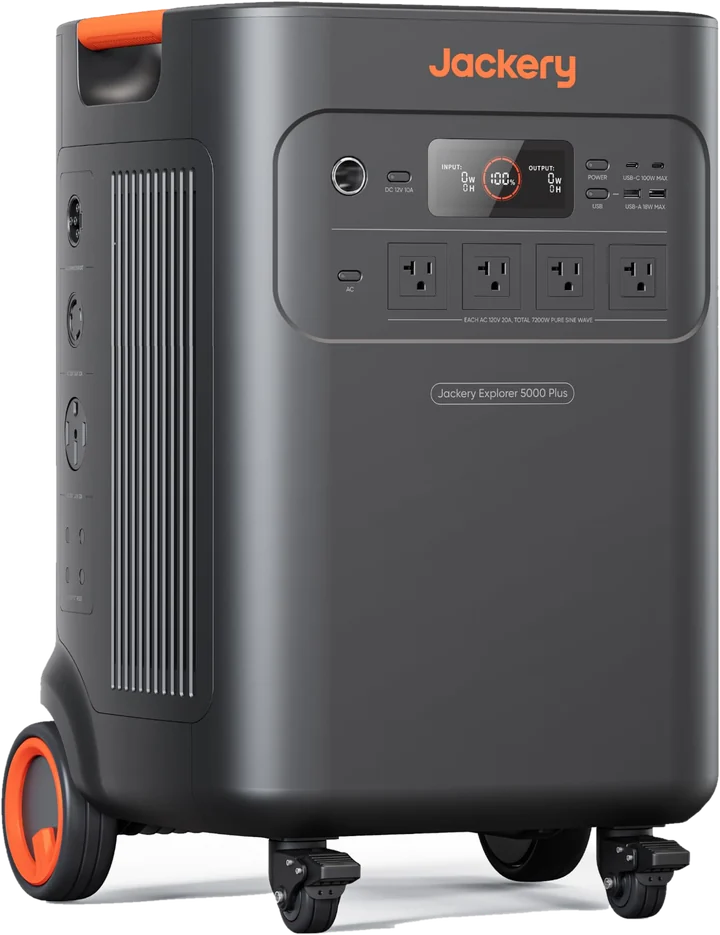 Best for keeping a furnace lit through a panel interlockJackery Explorer
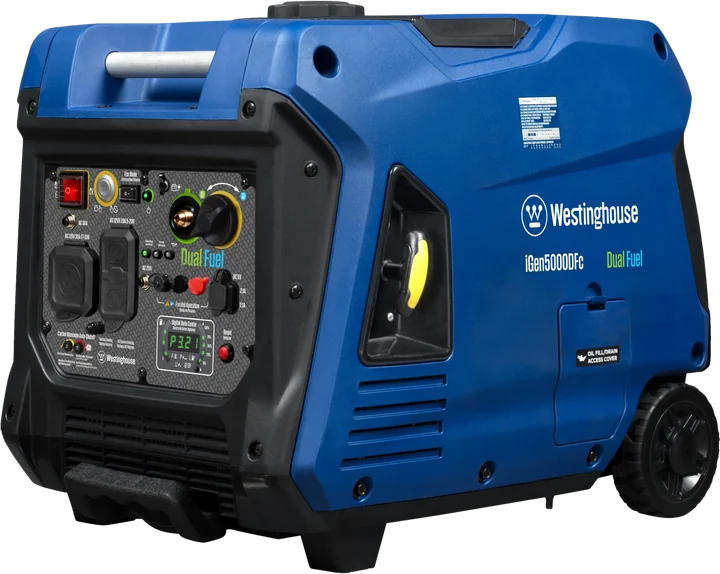
5000 Plus Check price on Amazon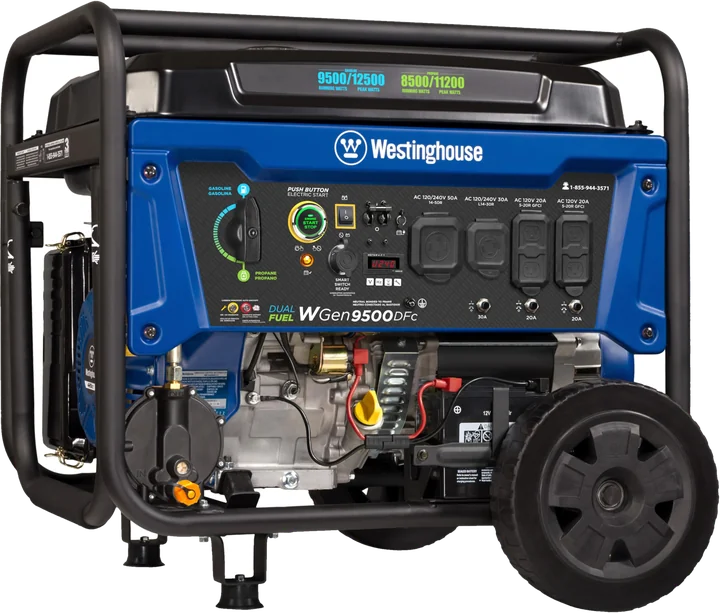 Skip for a furnaceWestinghouse WGen9500DFc
The interlock and the transfer switch do the same life-or-death job, and both do it well. Each makes it physically impossible for your generator to push power back up the line toward a lineman. So the choice between them turns on something else: a single tie between two wires in your breaker panel, called the neutral-ground bond. That tie decides whether your gas furnace lights. Match the connection to the unit. A unit with a bonded neutral belongs on a transfer switch that switches the neutral. A unit with a floating neutral belongs on an interlock, where your panel's own bond does the work. Porchlight's pick for this job is the Jackery Explorer
How an interlock and a transfer switch work, and why the neutral decides the furnace
An interlock is a sliding plate on your main panel. It lets the main breaker or a generator breaker be on, never both. The generator feeds in through an inlet box on the outside wall, and you choose what runs by switching breakers yourself. A transfer switch is a small separate panel holding circuits you picked in advance. It's less flexible, but you can't overload a modest generator by flipping the wrong breaker at 2 a.m. Code sources accept either one, if it's listed for your equipment and installed by the book.
Now the wire. Inside your main panel, the neutral and the ground meet at a single bond. Furnace boards look for it before they light; Goodman's furnace specifications list a grounding error among the board's fault codes. An interlock never disconnects your house neutral, so the panel's bond stays in play. Some transfer switches leave the neutral alone too. Others switch it, and then the source must supply the bond. Trystar's reading of the electrical code is plain. A floating unit should feed a hookup that never breaks the house neutral away from the panel's bond. A bonded unit needs a switch that disconnects the neutral. Otherwise current ends up riding the ground wire.
Here is how the four combinations play out:
- Bonded unit on a transfer switch that switches the neutral: the right match. The furnace sees the generator's own bond. All three generators we weighed are bonded.
- Floating unit on an interlock, or a switch that leaves the neutral in place: also the right match. The furnace sees your panel's bond. Testers measured the Jackery as floating.
- Bonded unit on an interlock: the furnace lights, but code sources call this a second bond. Your electrician has to deal with the generator's.
- Floating unit on a switch that switches the neutral: nothing bonds the circuits. A board that checks ground can refuse to light.
That last case is the trap. Every floating source tested in our research left a furnace dark until someone added a bond. In one, the furnace sat behind a furnace-only transfer switch: the blower ran, but no flame. It's a tidy install that behaves like a new car refusing to start because the seat sensor thinks nobody's driving.
What this means for what you buy
If the furnace is the load that has to work, pick a unit whose bond you actually know, then wire it in to suit. That's the Jackery Explorer
Which connection does each unit's outlet need?
Where a maker says nothing about the bond, we'd treat the unit as floating until it does.
- Jackery Explorer
5000 Plus : anL14-30R and a14-50 that carries no more than theL14-30 , or Jackery's Smart Transfer Switch. Floating, measured by two testers. It fits an interlock and inlet, or a transfer switch wired to keep the house neutral connected. - Generac
iQ5200 DF : anL5-30R ,120 V only. Bonded, by Generac's spec sheet. It fits a120 V transfer switch that switches the neutral. - Champion 201175: an
L14-30R and a14-50R limited below its name. Bonded, by Champion's manual. It fits a transfer switch that switches the neutral, or an interlock once your electrician deals with its bond. - Westinghouse WGen9500DFc: an
L14-30R and a14-50R . Bonded, by Westinghouse's manual. It fits a transfer switch that switches the neutral, but we'd skip it: the Jackery Explorer5000 Plus suits a furnace better. - BLUETTI Apex 300: a
14-50R that gives both legs once its voltage selector is set, plus aTT-30R . BLUETTI doesn't state the bond. We'd feed it through an interlock, or through a switch that keeps the house neutral connected. - Anker SOLIX
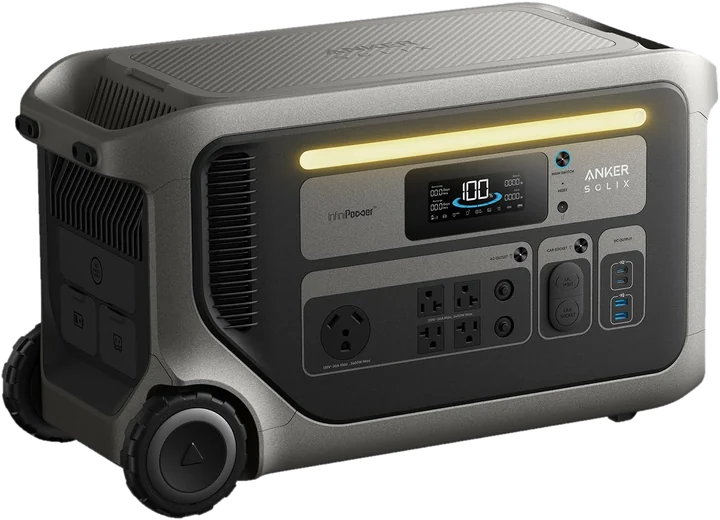
F3800 Plus : anL14-30R rated25 A , or Anker's Home Power Panel. Anker doesn't state the bond. We'd use an interlock or the Home Power Panel.
Two of the battery makers publish solar input to the watt and say nothing about the one wire your furnace checks. In jet engine production, a supplier drawing with no ground path marked went back unsigned. These two would get the same treatment from me.
Jackery Explorer 5000 Plus : the pick for a furnace on a panel interlock
Jackery promises
The catch is Jackery's own route. Its Smart Transfer Switch is the only way to charge the unit at
Connect it with an interlock, or with a transfer switch that keeps your panel's neutral tied in. We'd buy it for a home that wants its furnace and 120/
Generac iQ5200 DF : a strong promise we can't yet check
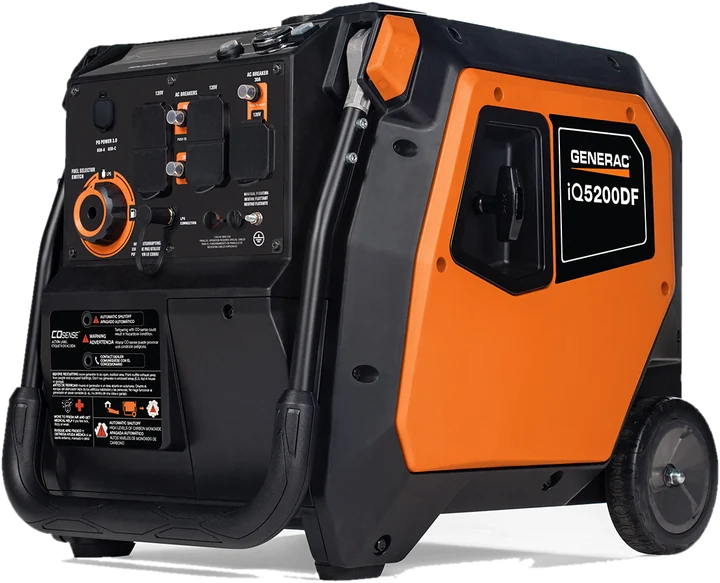
Generac promises a bonded neutral and under 3% distortion. It rates the unit at
Service is the worry owners raise. One owner's nearest authorized repair shop was over a hundred miles away. Another iQ5200 owner, who didn't say which edition, reported a unit that wouldn't run on propane out of the box and was asked to pay labor up front. It also has no
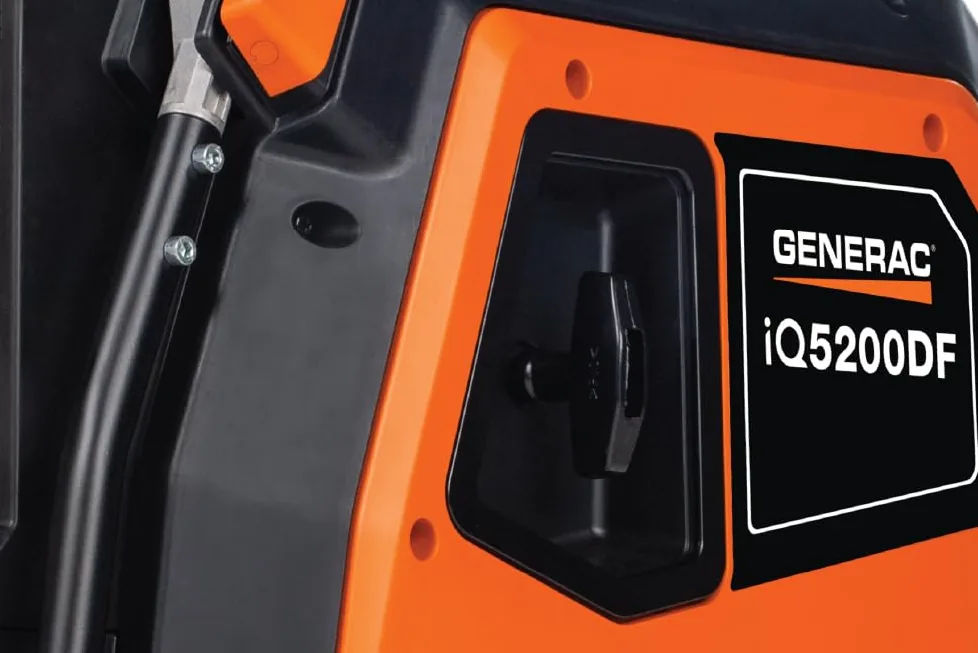
Those
On paper, the Generac fits a gas-heated home whose furnace has been converted to plug in, or whose transfer switch switches the neutral. Until someone measures the 8945 itself, that fit rests on Generac's word. The Generac
Westinghouse WGen9500DFc: skip it, the Jackery Explorer 5000 Plus suits a furnace better
It's the most muscle in its band, and its manual calls the
The others we weighed
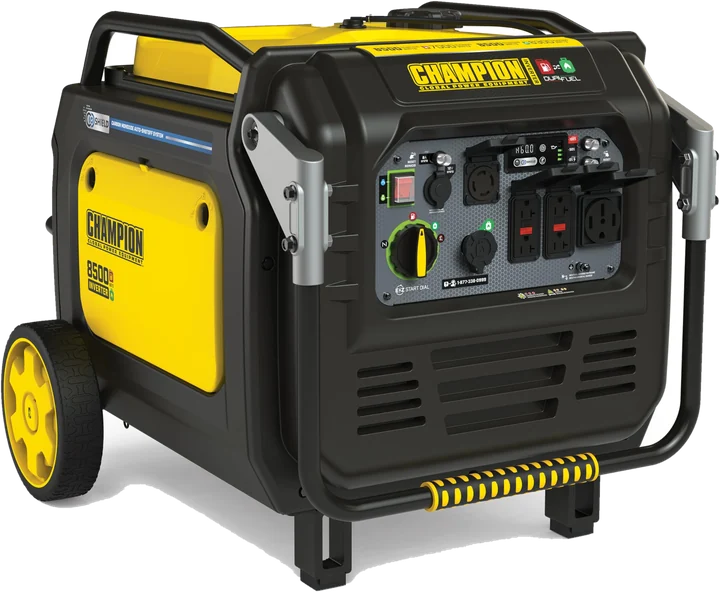
Champion 201175
Price band: under $1,900
On paper it's the neatest
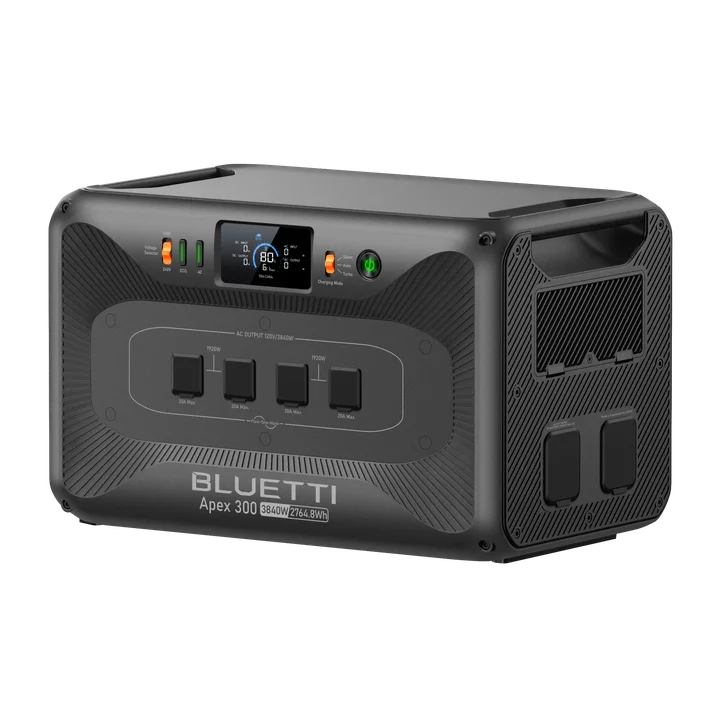
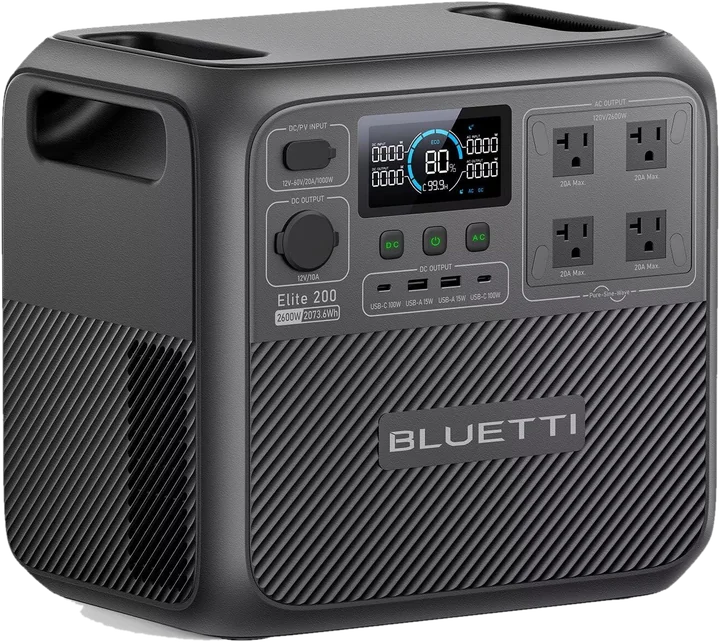
BLUETTI Apex 300
Price band: under $1,900
It gives both legs from one box, but each leg tops out at
Anker SOLIX F3800 Plus
Its
Your questions about connecting it safely
Can I just use a cord with a plug on each end?
No. A cord with a male plug on each end is illegal, and it can kill. Plugged into a wall outlet, its free prongs are live. It can also push power back into the utility lines, which a co-op utility warns can kill a lineman instantly or start a fire. IAEI, the electrical inspectors' association, says generators should never be connected this way. A version with the hot and neutral blades cut off circulates on video as a furnace fix. It's still a two-male-end cord, and we won't recommend it.
Do I need a permit and an electrician?
Expect to. A code summary of the 2024 residential code says interlock kits must be listed for your specific panel. It says a licensed electrician must install them, and that generator installations need a permit. Local adoption varies, so check with your inspector. The makers agree on the hardware. Champion's manual makes a transfer switch a condition of connecting to any building. Generac's insists one keep generator power and utility power apart at all times.
Should I add a bonding plug as well?
Not on an interlock, or on a transfer switch that leaves the neutral in place. Your panel already supplies the bond, and a plug would add a second one. That's our reading of the parallel-path rule Trystar explains. Bonding plugs belong to a different setup: a furnace plugged straight into a floating unit. That's covered in backup power for a gas furnace.
Where does the generator go while it runs?
Outdoors, and the CPSC's minimum is twenty feet from the house, exhaust facing away. Never in a garage, basement, porch or carport. The CPSC says open doors and windows don't provide enough ventilation. Nearly a hundred people a year die from portable generator carbon monoxide. The CPSC also advises carbon monoxide alarms with battery backup on each floor of the house. All three generators here have a CO shut-off, and all three manuals say it doesn't replace an indoor alarm.
The picks at a glance
| Pick | Who it's for | Call | |
|---|---|---|---|
| Jackery Explorer | The furnace and 120/ | Buy | View on Amazon |
| Westinghouse WGen9500DFc | Not a furnace home; the Jackery Explorer | Skip |
The pick: Jackery Explorer 5000 Plus on an interlock
Both switches stop backfeed. What keeps the furnace lit is matching the switch to the unit's neutral. The Jackery Explorer
The evidence in full
Research count for this page: 6 models weighed; 6 maker manuals among them; across this site's research, 589 sources kept in full.
House outlet and route by unit
| Unit | House outlet | Neutral, and whose word | Route that fits |
|---|---|---|---|
| Jackery Explorer | Floating, measured by two testers | Interlock and inlet, or a switch that leaves the neutral in place | |
| Generac | Bonded, Generac's spec sheet | ||
| Champion 201175 | Bonded, Champion's manual | Transfer switch that switches the neutral, or an interlock with the generator's bond handled by the electrician | |
| Westinghouse WGen9500DFc | Bonded, Westinghouse's manual | Transfer switch that switches the neutral | |
| BLUETTI Apex 300 | Not stated; the manual covers a chassis ground terminal only | Interlock, or a switch that keeps the house neutral connected | |
| Anker SOLIX | Not stated by Anker | Interlock, or Anker's Home Power Panel |
Neutral bond by unit, and the source for each
| Unit | Bond | Source | Exact-variant furnace test |
|---|---|---|---|
| Jackery Explorer | Floating | Measured: ReeWray Outdoors (Sep 2026; an EV charger refused it until a ground-neutral bond plug was fitted); Will Prowse (Nov 2024, launch unit; a Tesla mobile connector reported inadequate outlet grounding) | None found |
| Generac | Bonded | Spec sheet "Neutral Bonded to Ground: Yes"; manual says the inverter module is bonded to the frame and the receptacle ground pins | None found |
| Champion 201175 | Bonded | Manual, "Grounding Type: Neutral Bonded to Frame" | None found |
| Westinghouse WGen9500DFc | Bonded | Manual, "Neutral bonded to frame" | None found |
| BLUETTI Apex 300 | Not stated | US manual covers a chassis grounding terminal only | None found; There's A Trick For That (Oct 2025) ran central air and the air handler blower through an interlock and subpanel but not heat |
| Anker SOLIX | Not stated | User guide asks for neutral and ground "properly connected" at the inlet or transfer switch; a sibling F3000 measurement (floating on battery) does not speak for the Plus | None found; Android Authority's reviewer put his furnace on Home Power Panel circuits, with no start test reported |
No outlet-tester or continuity check exists on any of these exact variants. The Jackery's floating neutral is inferred from two chargers that refused it until a bond was added, not from a continuity reading.
Why the Jackery takes the page. It is the only unit weighed with independent, exact-variant evidence from several testers. ReeWray Outdoors (Sep 2026) ran it just under
Furnace makers on the ground check. Goodman's GR9S80 / GD9S80 specifications list "reversed line polarity or grounding error" among the board's faults. Rheem's FG6T specifications say the diagnostic light identifies "improper ground and polarization."
Furnace tests behind the "floating sources fail" pattern. None used a field product. The Chief's Way (Oct 2026) fed a Trane furnace from a smaller Jackery station, not one weighed here, through an EZ Generator Switch: the blower ran but the flame never lit until a splitter carrying a bonding plug was added. Meanwhile the board flashed an igniter fault. A BLUETTI AC200L (SmitHVAC, Feb 2025) ran a furnace once a home-made cord tied the furnace ground to the panel ground. A DELTA 3 Plus owner (reported by The Cool Down) found the furnace worked during wall pass-through and failed on inverter power. The pattern suggests stations follow the grid's bond while passing power through and float on battery; no maker states it.
Code sources. Trystar (2022, citing 2020 NEC 702.7(C) and 445.11): a non-separately derived system works with a floating neutral that stays connected to the panel; a bonded generator needs a neutral-switching transfer switch, or it creates a parallel path with the equipment grounding conductor. Mike Holt (EC&M, 2004, on 2002 NEC 702.10; old): if the switch doesn't switch the neutral, the generator neutral must not be bonded to the case. Section numbers have changed since 2002, so this page cites the principle. Jaspector (Apr 2026) summarizes IRC 2024 Chapter 36 and NEC 702; the primary NEC and IRC text were not read. IAEI (Nov 2019) and Jaspector both treat two-male-end cords as dangerous and non-compliant.
Generac
Jackery Explorer
Westinghouse WGen9500DFc. No test of the exact DFc. Glenda Taylor's Bob Vila review is of the WGen9500DF (no CO sensor), so her numbers are left out. The Lowe's DFc page mixes DF and DFc reviews. In the 198 lowest-rated reviews read: 13 describe no power output (3 name the DFc, including one that failed in a winter storm), 2 describe a CO lockout or sensor-fault light, and 37 match no-start phrases by keyword.
Champion 201175. No independent instrumented test of the exact model. The Solar Lab and Signature Solar tests quote matching specs without naming the model code. The floating-neutral conversion comes from one Lowe's owner and does not appear in the manual.
Sources
- Jackery Explorer
5000 Plus US usermanual (opens in a new tab) Champion 201175 owner's manual (opens in a new tab) Champion 201175 product page (opens in a new tab) - Westinghouse WGen9500DFc user
manual (opens in a new tab) - Generac iQ3800DF / iQ5200DF owner's
manual (opens in a new tab) Generac iQ5200 DF spec sheet (opens in a new tab)BLUETTI Apex 300 US user manual (opens in a new tab) - Anker SOLIX
F3800 Plus userguide (opens in a new tab) - Anker SOLIX
F3800 Plus specifications (opens in a new tab) - Goodman GR9S80 / GD9S80 furnace
specifications (opens in a new tab) - Rheem FG6T furnace technical
specifications (opens in a new tab) - CPSC: Winter storms aren't over, carbon monoxide
warning (opens in a new tab) - Trystar: separately derived and non-separately derived generator
connections (opens in a new tab) - Mike Holt, EC&M: optional standby
systems (opens in a new tab) - IAEI Magazine: winter electrical safety and
generators (opens in a new tab) - Jaspector: generator transfer switch, IRC
2024 (opens in a new tab) DEMCO: backfeeding (opens in a new tab) - ReeWray Outdoors: Jackery Explorer
5000 Plus test (opens in a new tab) - Will Prowse: Jackery Explorer
5000 Plus launchunit (opens in a new tab) - GearDiary: Jackery Explorer
5000 Plus review (opens in a new tab) - The Chief's Way: furnace on a power station through a transfer
switch (opens in a new tab) - There's A Trick For That: BLUETTI Apex
300 (opens in a new tab) - Wirecutter: best portable
generator (opens in a new tab) - Lowe's reviews: Generac iQ5200 dual fuel inverter
generator (opens in a new tab) - Lowe's reviews: Westinghouse
WGen9500DFc (opens in a new tab) Lowe's reviews: Champion 201175 (opens in a new tab) - Android Authority: Anker SOLIX
F3800 Plus review (opens in a new tab)