Home battery backup with generator: the station-and-inverter pairing that cuts fuel on long outages
As an Amazon Associate I earn from qualifying purchases.
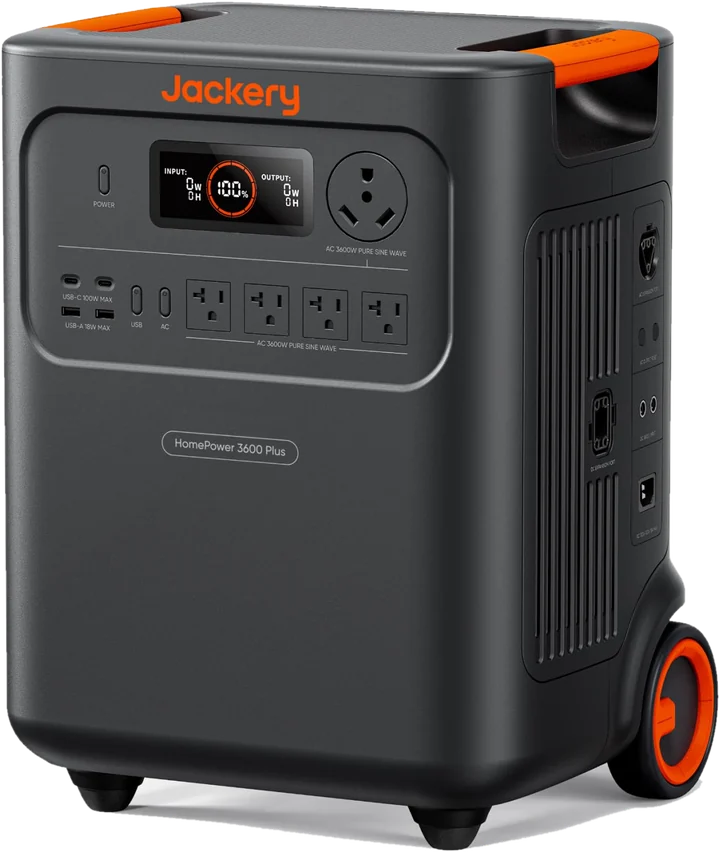 Best for keeping food cold, with a measured generator dayJackery HomePower
3600 Plus Check price on Amazon
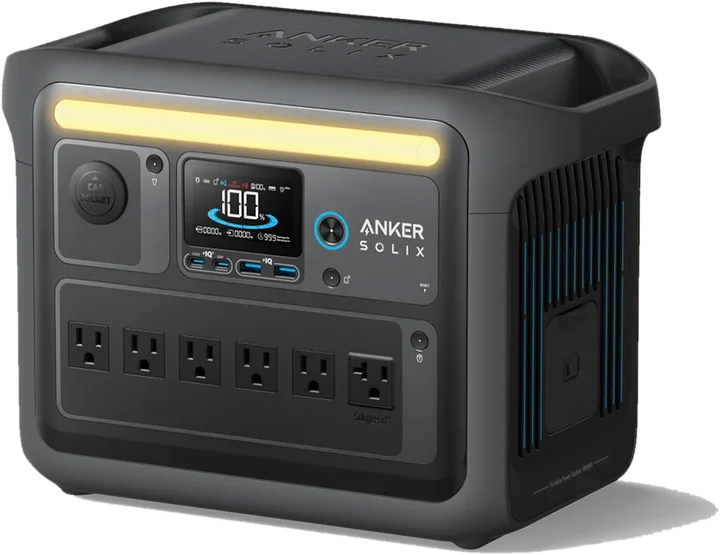
Porchlight's pick for home battery backup with a generator is the Anker SOLIX F3000: it takes up to
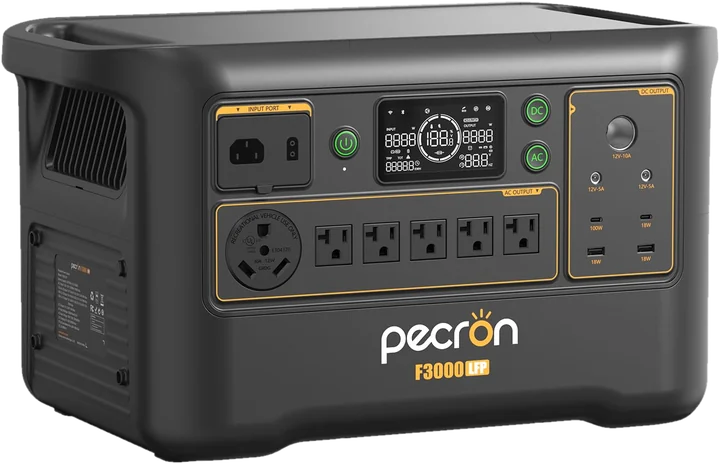
Ask most of the internet about backup power and it stages a fight: battery against generator. For a house facing days in the dark without a whole-home budget, the smart move is to hire both. Porchlight's pick for home battery backup with a generator is the station that makes that partnership cheapest to run: the Anker SOLIX F3000. Let the station carry the fridge and the
The F3000 takes power from a generator faster than any 120-volt-only station we weighed. Through its
This page is for outages that run a week, long enough that you'll refill from a generator every day. A home riding out one to three days on ordinary outlets, with no generator, is a different buyer. For that home we'd choose the Jackery HomePower
What changes the answer for your house
Not battery size, mostly. Three things decide this pairing:
- How many watts the station takes from a generator. That number sets the generator's daily hours. The stations we weighed range from
1,750 W to3,600 W at120 V , and more on the240 V machines. - How hard the generator works while it charges. A generator loafing at a quarter load wastes fuel. The test that shows it was run on a Honda EU2200i, though the tester never showed which version: the same measured fuel put
535 Wh into a battery at 25% load and795 Wh at 70%. Same gas, about half again as much stored. So pair a station with a generator it can nearly max out. - Anything on a two-pole breaker. None of our picks can feed a well pump or an air conditioner on a
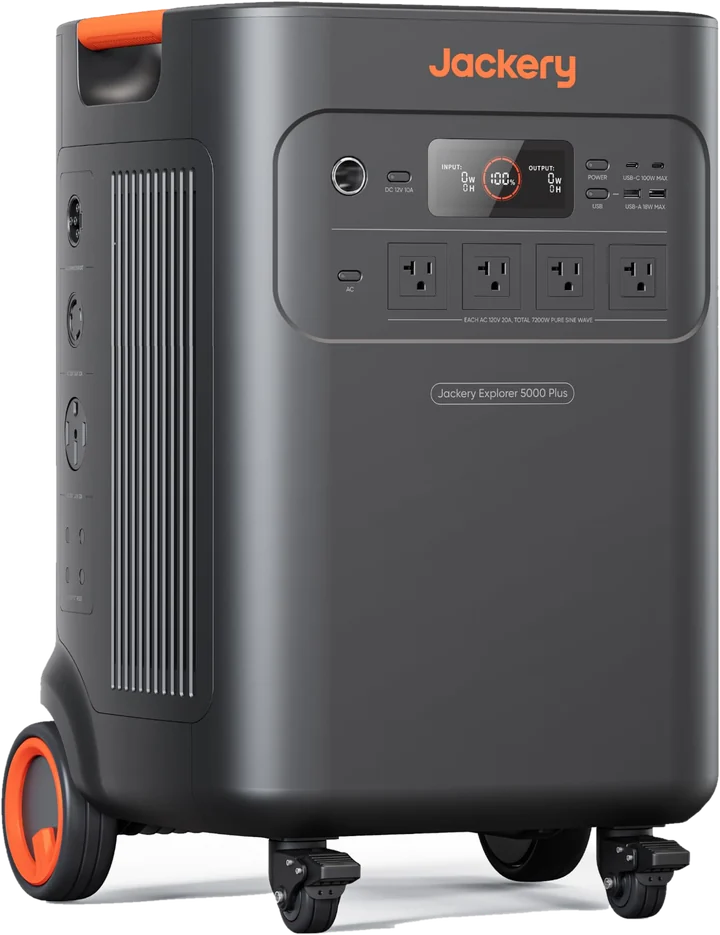
240 V circuit. If one box has to start those, wired in through a transfer switch, you're shopping for a bigger plan. For that house we'd point you to the Jackery Explorer5000 Plus , which delivers240 V without a second unit. It can refill from a generator too, though its big battery takes about three generator hours per fill. This page's reader wants the shortest shift on a smaller budget. To weigh the whole question, start with whether your house needs a generator or a battery.
To size the night itself, run your essentials through the home backup power calculator.
Best station to pair with a generator: Anker SOLIX F3000
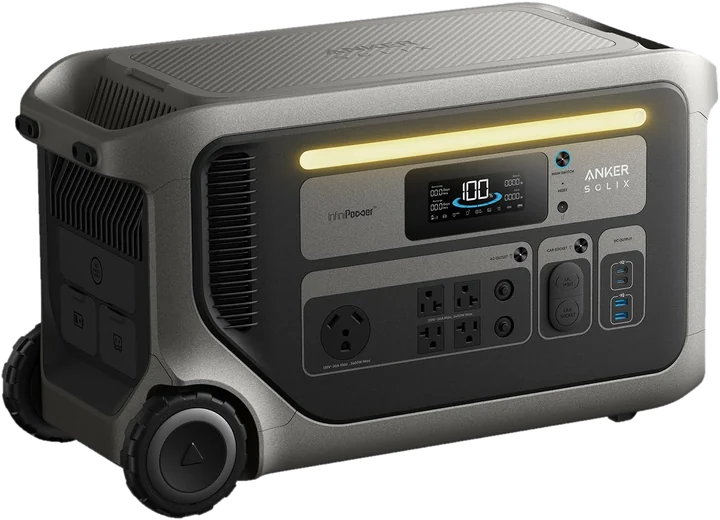
Anker's pitch is the one this page is built on. Plug a
Its other promises survive scrutiny too. Anker rates it at
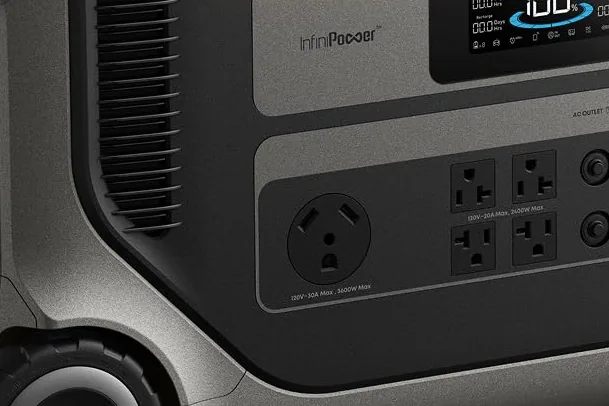
No one has timed an F3000 through a full generator day. On intake alone it should need about half the Jackery's generator hours. That is our arithmetic from the specs, not a measurement.
The one real catch: the fast refill wants a generator with
We'd buy it for a week-long outage. It is the station that makes a generator earn its keep.
Best for keeping food cold, with a measured generator day: Jackery HomePower 3600 Plus
The HomePower
On its own, it is the food keeper of the group. In CNET's lab a full-size fridge stayed cold on it for over a day and a half. No other station here lasted as long on that test. Three capacity tests agreed closely, each getting back roughly nine of every ten watt-hours of its rated
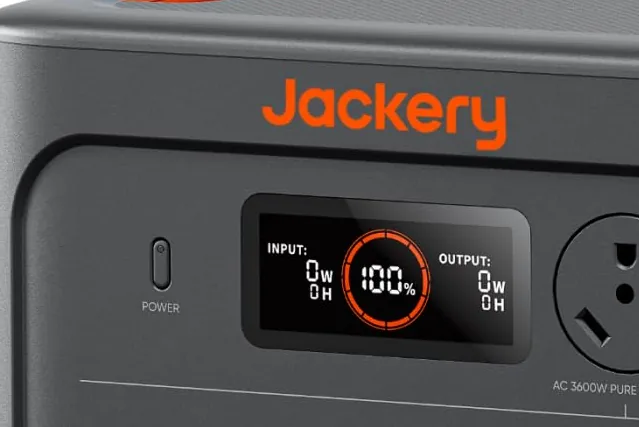
The one real catch: it drinks slowly. A tester measured
We'd buy it for food first, with a small generator.
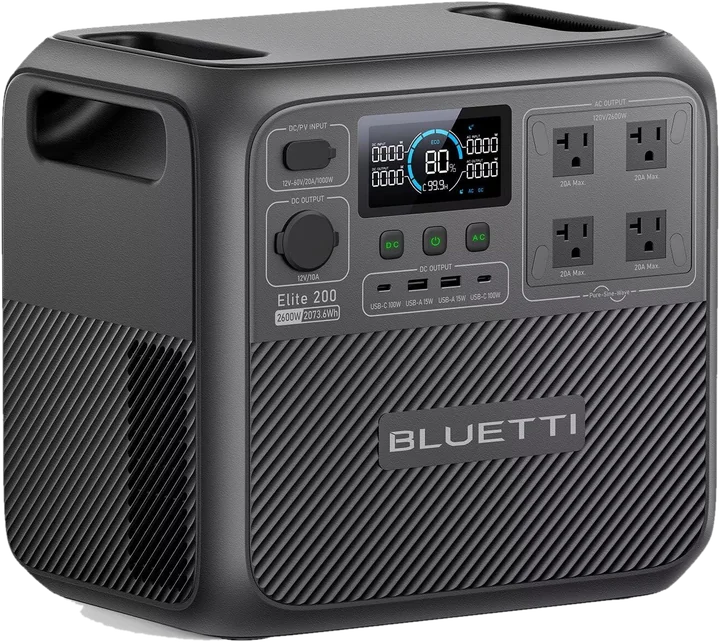
Best light station with a measured generator day: BLUETTI Elite 300
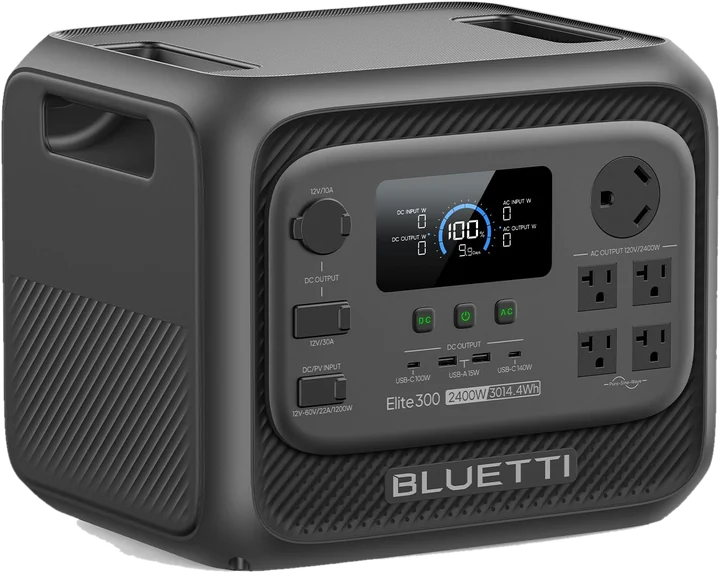
The Elite 300 is this year's newcomer with a real record. It is also the other station with a measured generator day. In the same RV test it cut the generator to
What it does best is sip. Three separate testers measured it idling at
The one real catch: BLUETTI's manual promises
We'd buy it when weight, night-time idle and a smaller outlay matter most.
Best generator to refill the F3000: Westinghouse iGen5000DFc
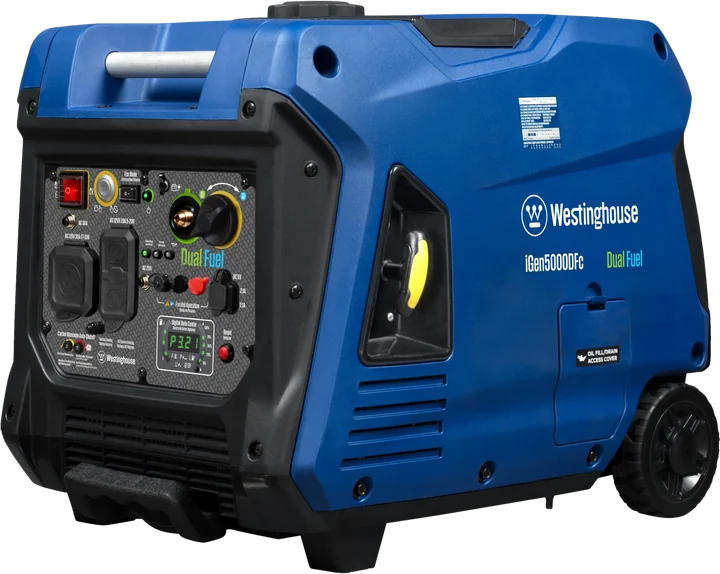
Here is the detail that decides it. The iGen5000DFc carries a
Wirecutter put this exact model to work with loads that included a pressure washer and a table saw. It delivered its promised power, and under heavy load it never passed
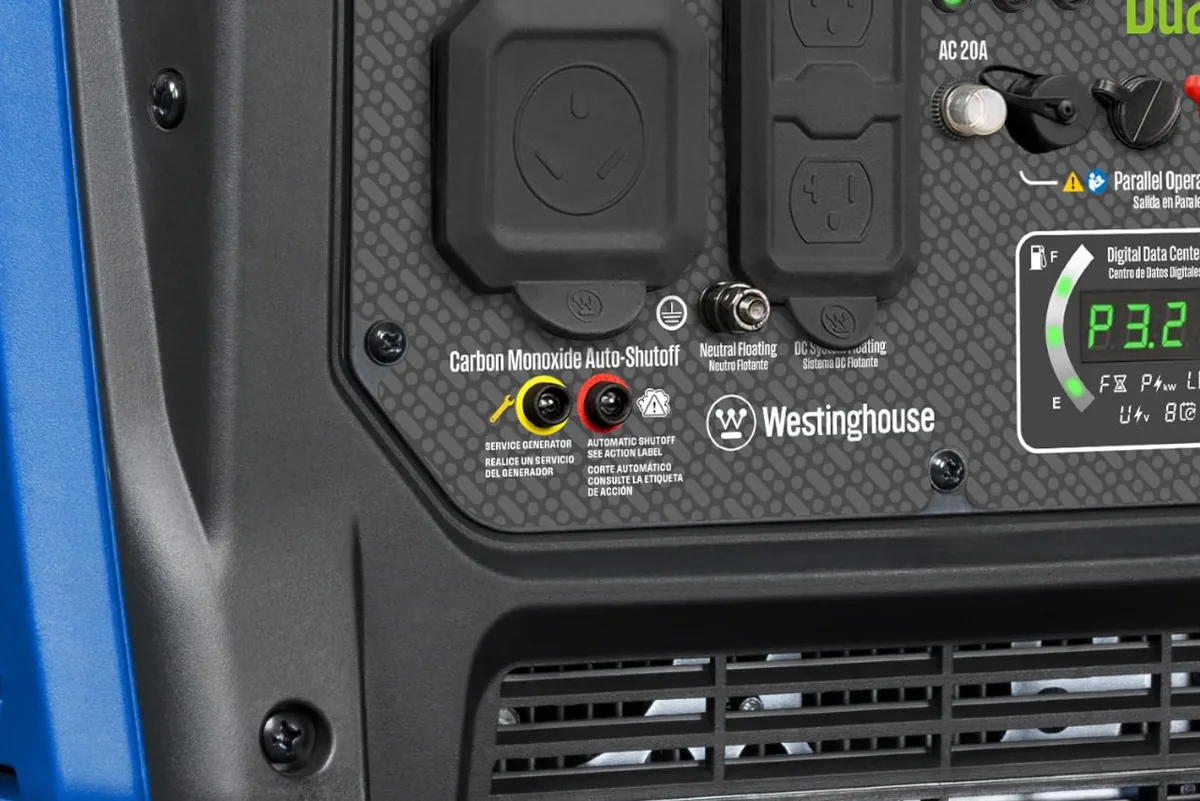
The one real catch is its bulk. Wirecutter and an owner each describe moving it as a job for two people. Decide where it lives before the storm, not during it.
We'd buy it to pair with the F3000. If an electrician has given your
Best quiet generator for the slower stations: Honda EU2200i
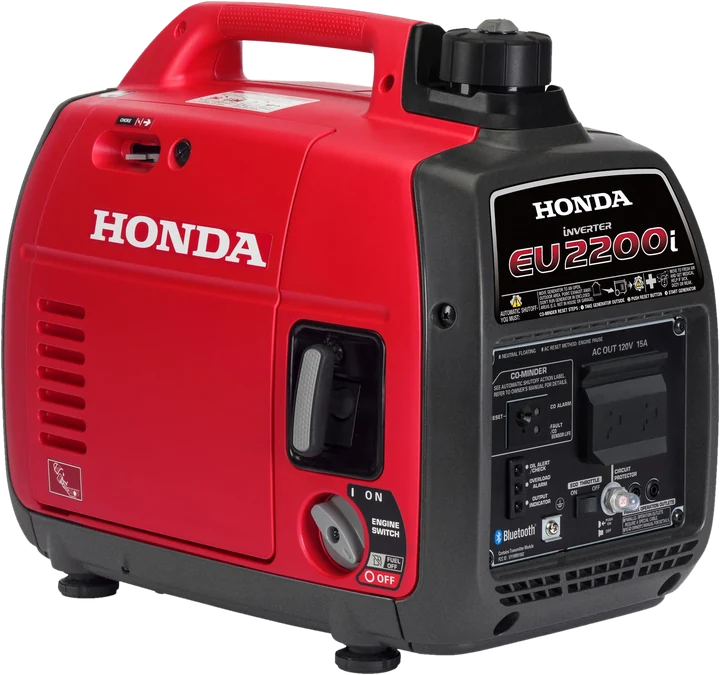
Honda rates the EU2200i at
The one real catch is the price of quiet. It sits in a higher band than the Westinghouse for under half the power. On the F3000 it can only feed the standard cord, at half the speed.
We'd buy it for a small yard or close neighbors.
New this year, and what we're watching
The Elite 300 arrived in March and already earns its place above. Two newer stations matter to this buyer:
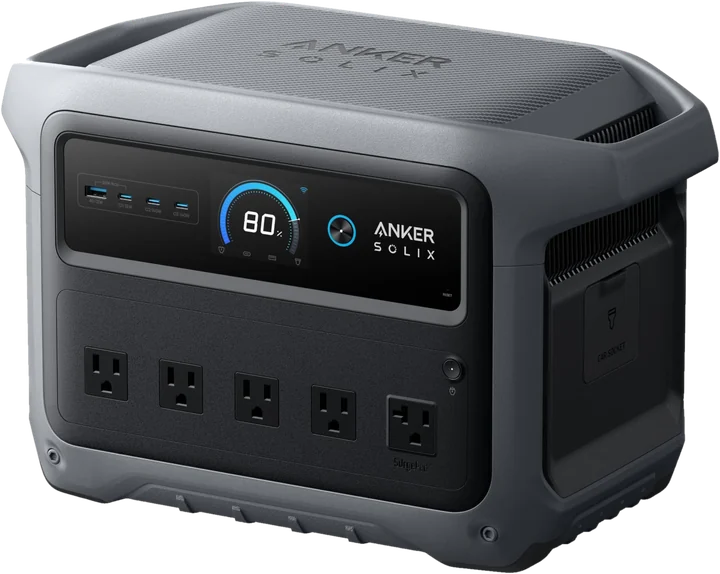
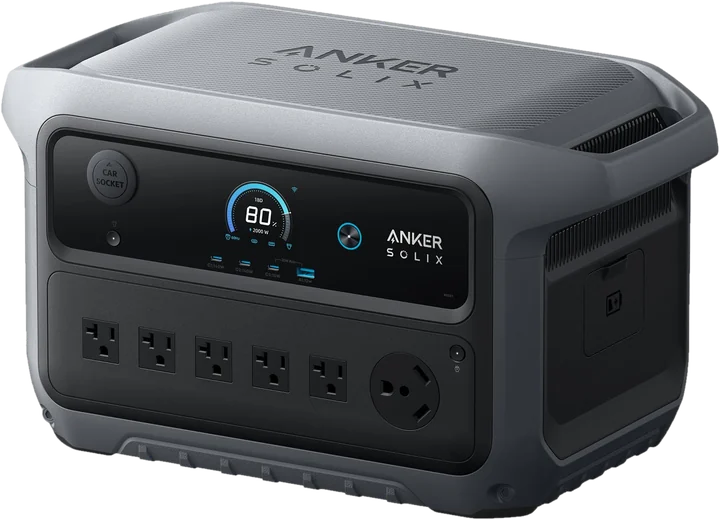
- Anker SOLIX S5000 (October):
5,024 Wh , with120 V and240 V from one box. From a120 V outlet it takes1,800 W , so a typical portable generator fills it no faster than the Jackery. Pre-release reviews measured long fridge runs and about10 W idle. No one has charged one from a generator. - EcoFlow DELTA 3800 Gen4 (November):
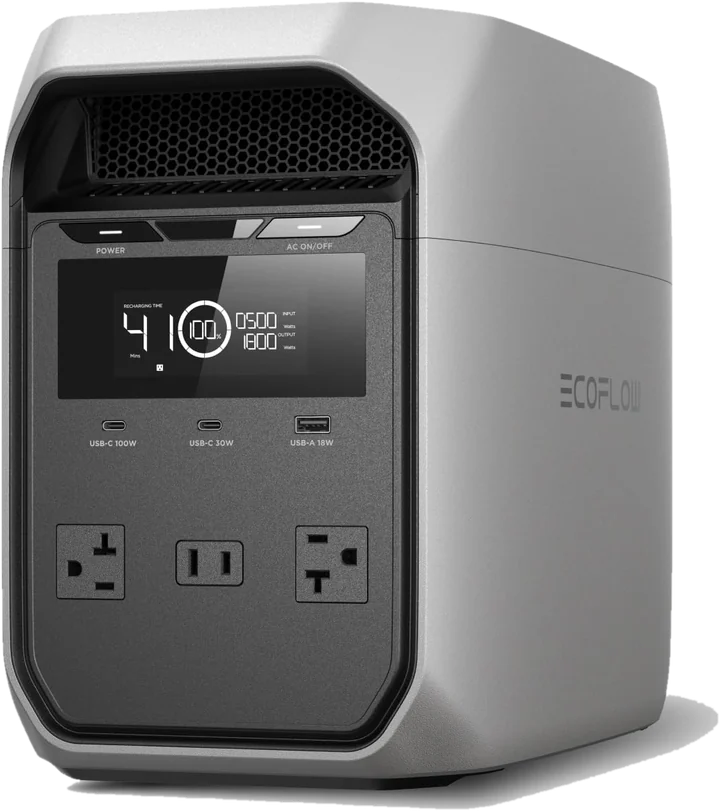
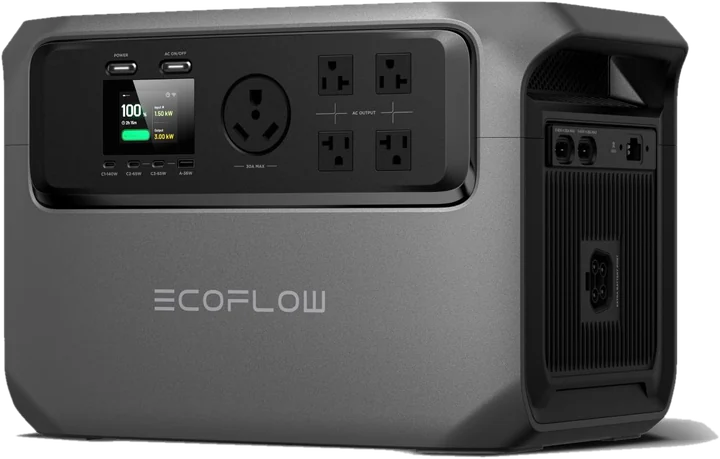
3,763 Wh ,120 V only,1,800 W from the wall. EcoFlow's automatic generator start works only with its own generator, through the extra-battery port. Two launch videos with EcoFlow discount codes measured about11 W idle and a 66-hour fridge run. No lab has tested it yet; our DELTA 3800 Gen4 review tracks what lands.
Our call on both is wait for independent tests. Neither is worth holding off for with a
How the picks were decided
We picked stations on how many watts they take from a generator and how much of it they keep. Generators were picked on how well they feed those stations. A pick needed independent measurement of its exact model, not a sibling's. We weighed 11 models and read 8 of their makers' manuals; this site's research as a whole keeps 589 sources in full.
How big a generator do I need to refill a power station?
Match the generator to the station's charging intake, with a little to spare. For the F3000's fast cable, that means a
Does charging fast really save fuel?
Yes, and the evidence is unusually clean. In Johnny's Weekends' test of a Honda EU2200i whose exact version he never showed, the same measured fuel stored
Why not just run the generator all day?
Because it burns most of its fuel doing nothing useful. In the measured RV day, the generator alone used
Carbon monoxide is the part of any generator setup that kills people. Generac's manual says its CO shut-off does not replace a CO alarm inside the house. Honda's CO-MINDER only stops the engine. Treat both as backstops, never as permission.
Will this setup keep my gas furnace running?
Watts are no problem; a blower is a modest load. The open question is a wire. Some furnace control boards won't light unless neutral and ground are tied together. A tester found the F3000's outlets float on battery, with no tie. Jackery and BLUETTI publish nothing on this for these exact models. Honda's manual says its neutral floats.
If the furnace is your first worry rather than the fridge, you're a different buyer. Say your furnace is hard-wired, and an electrician has put a generator socket on the outside wall and a lockout plate on the breakers. For that house we'd choose the Westinghouse iGen5000DFc, the same generator this page pairs with the F3000. If the furnace must share a battery with big 120/
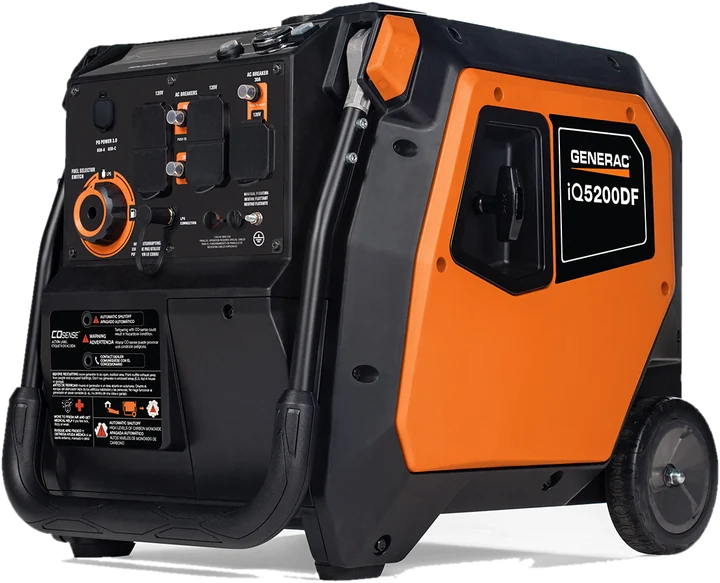
If your furnace runs on a cord and plug, or your transfer switch breaks the neutral as well as the hot wires, the Generac
The picks side by side
| Pick | Its job | Generator watts | The catch | Amazon |
|---|---|---|---|---|
| Anker SOLIX F3000 | Station with the shortest generator shift | Takes up to | Fast refill needs a big generator on gas | View on Amazon |
| Jackery HomePower | Station for food first | Took | Slow intake, about two hours to refill | View on Amazon |
| BLUETTI Elite 300 | Lightest station, lowest idle | Up to | Full rate hidden behind an app mode | View on Amazon |
| Westinghouse iGen5000DFc | Generator for the F3000 | Two people to move it; not sold in California | View on Amazon | |
| Honda EU2200i | Quiet generator for | Higher price band for under half the power | View on Amazon |
Our pick for home battery backup with a generator: Anker SOLIX F3000
The Anker SOLIX F3000 carries a fridge through the night. It takes a generator's power faster than any 120-volt-only station we weighed. Pair it with a
The evidence in full
Every product we weighed
| Product | What it is | Generator watts | Deciding evidence | Our call on this page |
|---|---|---|---|---|
| Anker SOLIX F3000 | Up to | CNET capacity and fridge run; The Solar Lab refill under an hour on | Buy (overall pick) | |
| Jackery HomePower | Measured RV generator day; CNET fridge and round trip | Buy | ||
| BLUETTI Elite 300 | Measured RV generator day; | Buy | ||
| Westinghouse iGen5000DFc | Dual-fuel inverter generator, | Wirecutter's load tests on this model; owner video | Buy | |
| Honda EU2200i | Gasoline inverter generator | Honda manual; independent noise and CO-MINDER tests | Buy | |
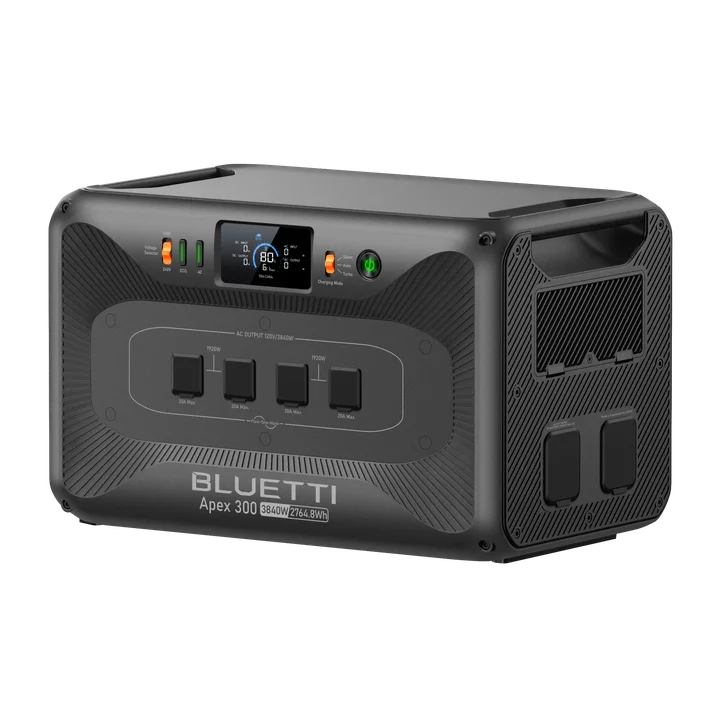
| BLUETTI Apex 300 | Up to | CNET round trip about two thirds | Considered; our pick for wired-in | |
| Jackery Explorer | Considered; our pick for starting a | |||
| Anker SOLIX | CNET fridge run lost 46.63% to overhead | Considered; its own review says wait, for electrician-wired | ||
| Generac | Dual-fuel inverter generator, | Bonded neutral claimed; no independent test of the 8945; owners report service trouble | Wait; worth watching for a corded furnace until the 8945 itself is tested | |
| Anker SOLIX S5000 | Pre-release reviews only; no generator test | Wait | ||
| EcoFlow DELTA 3800 Gen4 | Two maker-supported launch videos | Wait |
Also considered, and why each sits outside this pairing
The BLUETTI Apex 300 beats everything here on intake, up to
The Jackery Explorer
The Anker SOLIX
The Generac
The Anker SOLIX S5000 and EcoFlow DELTA 3800 Gen4 are new releases with no independent generator-charging test, covered above under what we're watching. Anker's faster S5000 charging needs a
What the F3000 case rests on
- CNET Labs (US unit, Jul to Aug 2026):
2,645.91 Wh delivered at a steady resistive load, a little under nine tenths of rated; round trip 74.62%; full-size fridge run of28.97 h ;140 min to fill from a120 V wall outlet. CNET's pros list gives a fridge figure a full hour longer than its body text and results table, which agree on28.97 h , so the pros line is a typo. - Jasonoid (US unit, Jul 2025): 89% usable through AC and a couple of points more through DC; UPS switchover
9.8 ms on an oscilloscope; outlets float on battery, take ground from the charging source when AC-charging, and bond only in EV mode, which disables AC charging. - The Solar Lab (first review and one year on): refill under an hour on the
30 A generator input; inverter efficiency 84% both times; surge held at7,500 W after a year; a rubber port flap broke within the year. - Idle draw disagrees without changing the call:
20.5 W at The Solar Lab's first test, two runs a year later averaging26.6 W that the tester himself called inconsistent,20 W from Jasonoid (screen-based) and35 W from HOBOTECH (metered refill over24 h , August 2025 firmware). Methods and firmware differ. In this pairing the generator refills daily, so idle matters less than it would on battery alone. - Outputs: the
5-20R outlet groups give2,400 W each; the full3,600 W comes only from theTT-30R . Anker's US manual was not available to us; specs come from Anker's US spec table. - The propane question rests on two maker ratings, not a test: Generac's spec sheet gives the
iQ5200 DF 3,500 W running on propane, and Westinghouse's iGen5000DFcv manual gives that family the same figure. No one in our evidence has charged an F3000 at full rate from a propane-fed generator.
What the Jackery and BLUETTI cases rest on
- The RV generator day (Ruby's Adventures Unplugged, Aug 2026, affiliate links) used one RV, one fixed load profile (air conditioning, fridge, Starlink and TV) and a larger propane inverter generator than either station needed. Generator alone:
24 h on a measured29.9 lb . With the Jackery:6 h 2 min , an estimated7.5 lb . With the BLUETTI:6 h 27 min , an estimated8.1 lb . A small solar panel was connected throughout the station runs. Each station took well under its rated intake from the generator; the Jackery capped its output to the RV at1,440 W while charging. One day per station, and the hybrid propane figures are estimates. - Jackery HomePower
3600 Plus : CNET (Jul 2026) measured3,201.32 Wh delivered, a 79.66% round trip and a38.58 h fridge run. HOBOTECH got3,240 Wh and about21 W idle from the display; The Solar Lab reported about34 W idle (method not stated; open). The Solar Lab saw surges to5,900 W without tripping, short of the7,200 W claim. Mike Builds measured1,655 W in from a wall outlet. A Jackery-sponsored test got3,270 Wh . The manual says1,440 W is the limit on its outlets while plugged in. - BLUETTI Elite 300: StorageReview (Aug 2026) metered
2,670 Wh out of a US unit, full to empty on a Kill-A-Watt, and an8 ms switchover on a power analyzer. HOBOTECH (Mar 2026, affiliate code) got2,810 Wh from a US unit in an AC discharge to shutdown, and15 W idle, with Turbo short of rated and1,765 W only in Pro mode. The Solar Lab measured15 W idle and2.73 h to fill from the wall. Bren Unplugged (six-month owner, says unsponsored) measured15 W idle and 92% discharge efficiency, but reports the unit not waking for solar after an overnight shutdown and unreliableWi-Fi ; that is one owner's report. Every Elite 300 result on this page comes from a US120 V unit.
What the generator cases rest on
Westinghouse's library lists only the DFcv manual for the iGen5000DFc family, so its running watts (
Honda's EU2200i manual confirms a floating neutral and a CO-MINDER sensor with a finite life, replaced through a dealer. Johnny's Weekends (2021, CO-MINDER unit, sponsored by Generator Bible) measured
Sources
- Anker SOLIX F3000 product page and
specs (opens in a new tab) - Jackery HomePower
3600 Plus usermanual (opens in a new tab) - BLUETTI Elite 300 user manual
(US) (opens in a new tab) - Westinghouse iGen5000DFc product
page (opens in a new tab) - Westinghouse iGen5000DFcv user
manual (opens in a new tab) Honda EU2200i owner's manual (opens in a new tab) Honda EU2200i product page (opens in a new tab) Generac iQ5200 DF spec sheet (opens in a new tab)- Generac iQ3800DF / iQ5200DF owner's
manual (opens in a new tab) - BLUETTI Apex 300 user manual
(US) (opens in a new tab) - Jackery Explorer
5000 Plus user manual(US) (opens in a new tab) Anker SOLIX F3800 Plus specs (opens in a new tab)Anker SOLIX S5000 product page (opens in a new tab) - EcoFlow DELTA 3800 Gen4 product
page (opens in a new tab) - Ruby's Adventures Unplugged: generator alone against station plus generator, 24
h (opens in a new tab) - Johnny's Weekends: energy per fuel charge by load, Honda
EU2200i (opens in a new tab) - Johnny's Weekends: fixed-fuel runtimes by
load (opens in a new tab) - CNET Labs: best portable power
stations (opens in a new tab) - Wirecutter: best portable
generator (opens in a new tab) - The Solar Lab: Anker F3000
review (opens in a new tab) - The Solar Lab: Anker F3000 after one
year (opens in a new tab) Jasonoid: Anker F3000 tests (opens in a new tab) HOBOTECH: Anker F3000 idle test (opens in a new tab) - The Solar Lab: Jackery HomePower
3600 Plus review (opens in a new tab) - HOBOTECH: Jackery HomePower 3600
Plus (opens in a new tab) - Mike Builds: Jackery HomePower 3600
Plus (opens in a new tab) - StorageReview: BLUETTI Elite 300
review (opens in a new tab) HOBOTECH: BLUETTI Elite 300 (opens in a new tab) The Solar Lab: BLUETTI Elite 300 (opens in a new tab) - Bren Unplugged: BLUETTI Elite 300 after six
months (opens in a new tab) - Andy Lippold: Westinghouse iGen5000DFc owner
video (opens in a new tab) - Lowe's reviews: Westinghouse
iGen5000DFc (opens in a new tab) - Johnny's Weekends: inverter generator
noise (opens in a new tab) - Silver Cymbal: Honda CO-MINDER
test (opens in a new tab) - Handy Homestead Reviews: Honda EU2200i after two
years (opens in a new tab) - CPSC recall 20-090: Honda portable
generators (opens in a new tab) - Lowe's reviews: Generac iQ5200
DF (opens in a new tab) - The Solar Lab: Jackery Explorer 5000
Plus (opens in a new tab) - The Solar Lab: Anker
F3800 Plus generatorcharging (opens in a new tab) Silver Cymbal: Anker F3800 Plus (opens in a new tab)- The Solar Pit: BLUETTI Apex 300
charging (opens in a new tab) - pv magazine USA: Anker SOLIX S5000 deep
dive (opens in a new tab) - HOBOTECH: EcoFlow DELTA 3800
Gen4 (opens in a new tab) - Outdoor Prepper: EcoFlow DELTA 3800 Gen4 fridge
run (opens in a new tab)