EcoFlow vs Jackery for home backup: DELTA 3800 Gen4 vs HomePower 3600 Plus and their smaller units
As an Amazon Associate I earn from qualifying purchases.
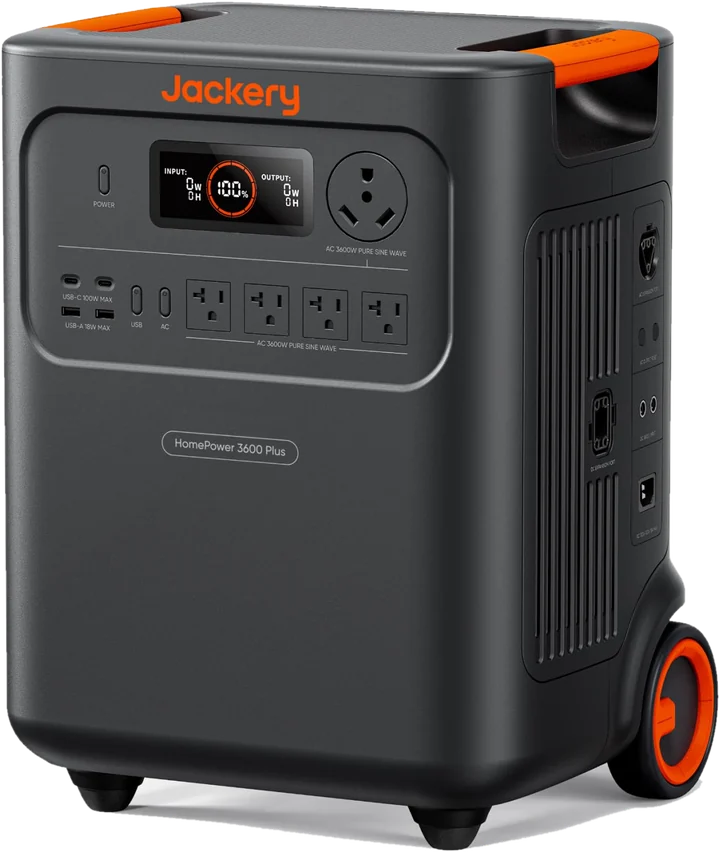 Our pick between the two brands: fridge and essentialsJackery HomePower
3600 Plus Check price on Amazon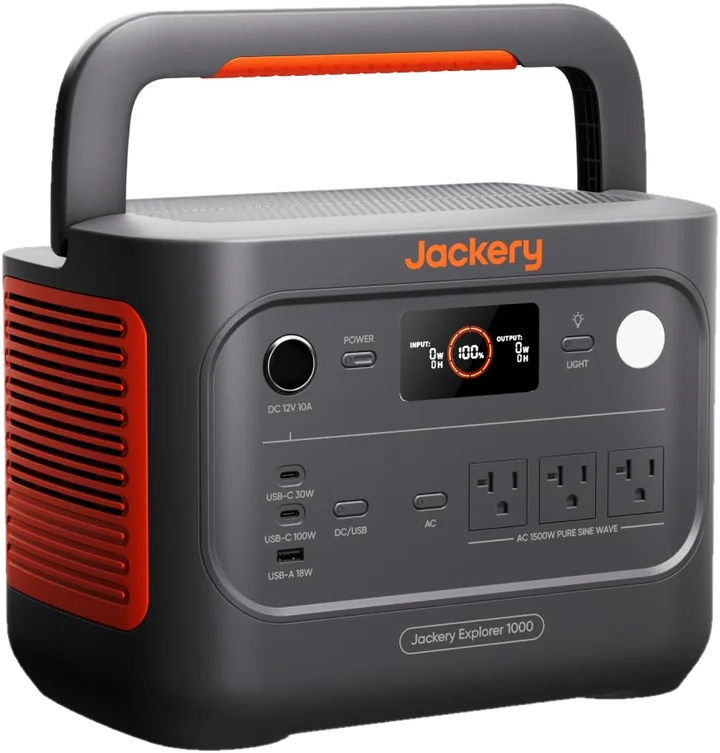 Skip: too little measured for home backupJackery Explorer 1000 v2
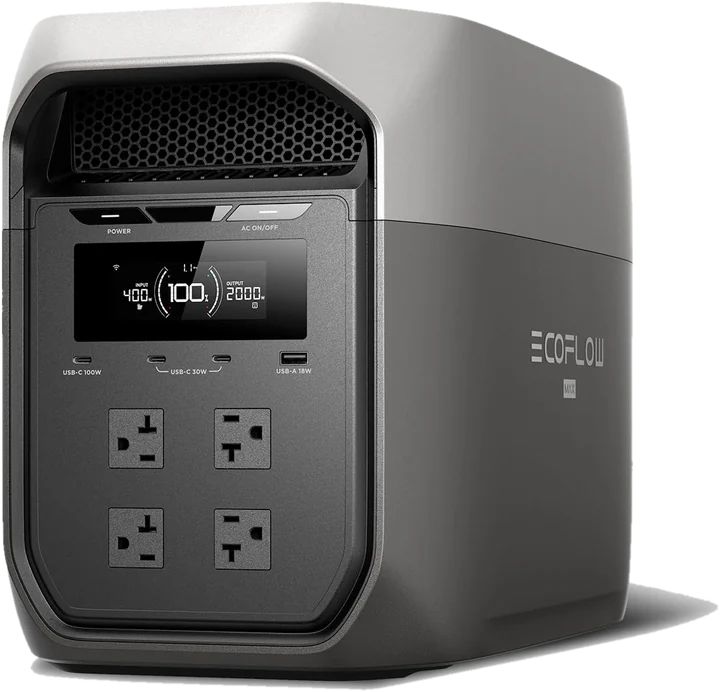 Skip for home backupEcoFlow DELTA 3 Max
Porchlight's pick between EcoFlow and Jackery is the Jackery HomePower
The most impressive number in EcoFlow vs Jackery belongs to the box we'd tell you to wait for. For a household that needs food cold, lights on and
Further down both ranges, EcoFlow's DELTA 3 Classic is the better small box. If your well pump or central air sits on a double breaker, only Jackery's Explorer
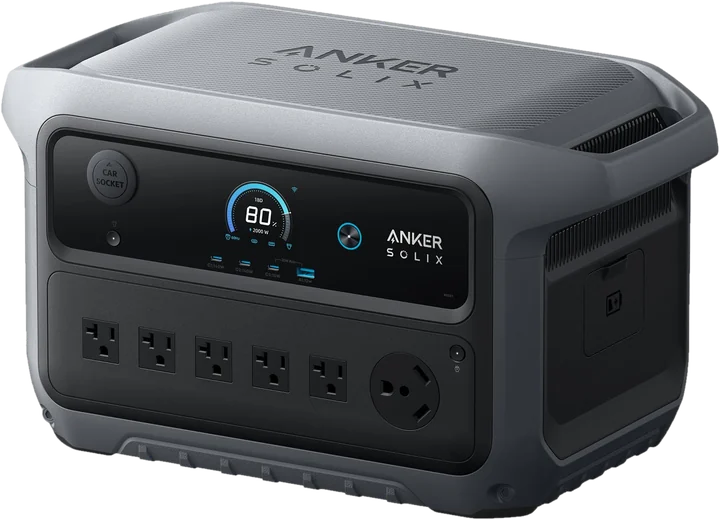
Jackery HomePower 3600 Plus : the one whose numbers have been checked
Jackery's banner promises a fridge running well into a second week. Trace that promise back and it assumes the full
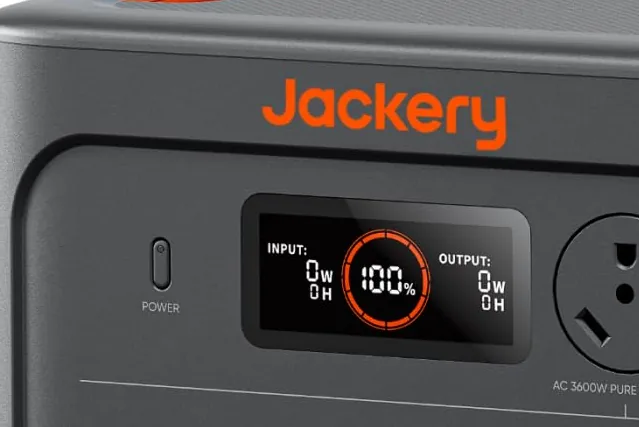
The honest catch is the one the EcoFlow test exposed: it costs a lot to keep switched on. Two testers measured its idle draw at
If the router is the only thing plugged in overnight, watch for Energy Saving Mode. Jackery's manual says it ships switched on and cuts the outputs once a load under
We'd buy it for food and essentials through a long outage. Our HomePower
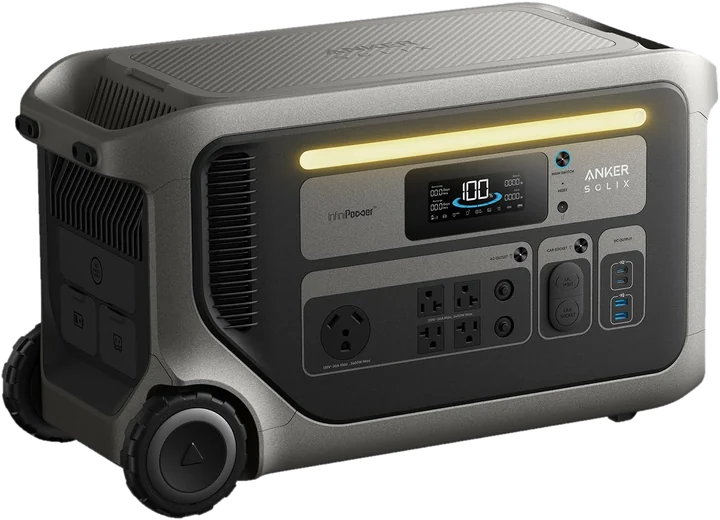
EcoFlow DELTA 3800 Gen4: the one to watch
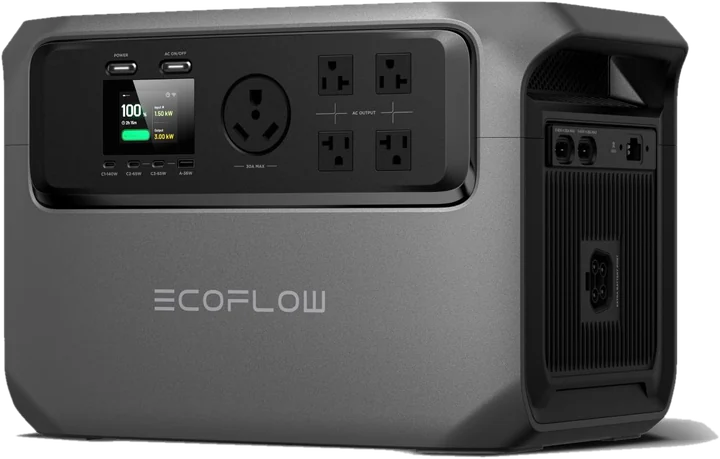
EcoFlow's spec sheet is generous with the dull, useful numbers. It claims
Did the EcoFlow really outlast the Jackery on the same fridge?
Probably, and the reason is the idle tax. Outdoor Prepper ran one full-size household fridge on each box until the battery hit zero, door openings and defrosts included. The EcoFlow lasted about
What makes it believable is that it fits the other numbers. HOBOTECH measured the EcoFlow idling at about
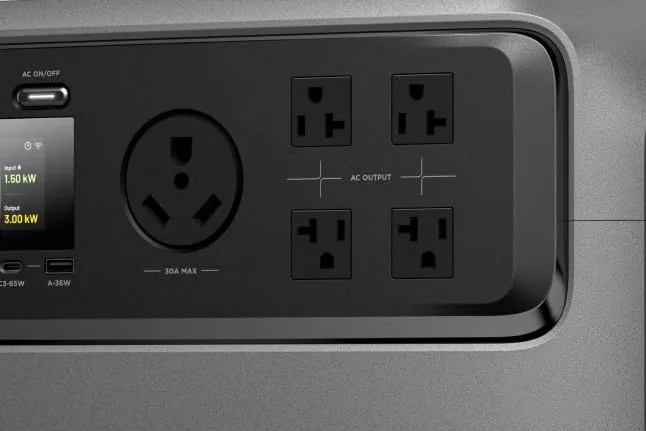
What's missing is anyone without an EcoFlow link confirming the
The one living-with catch already visible:
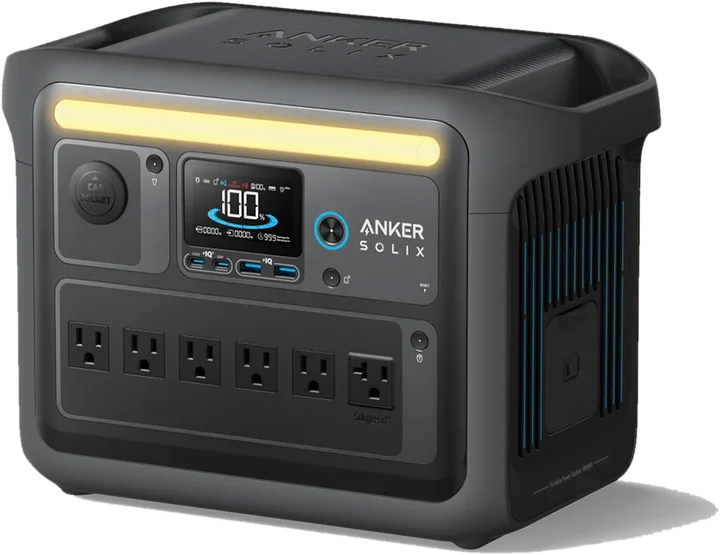
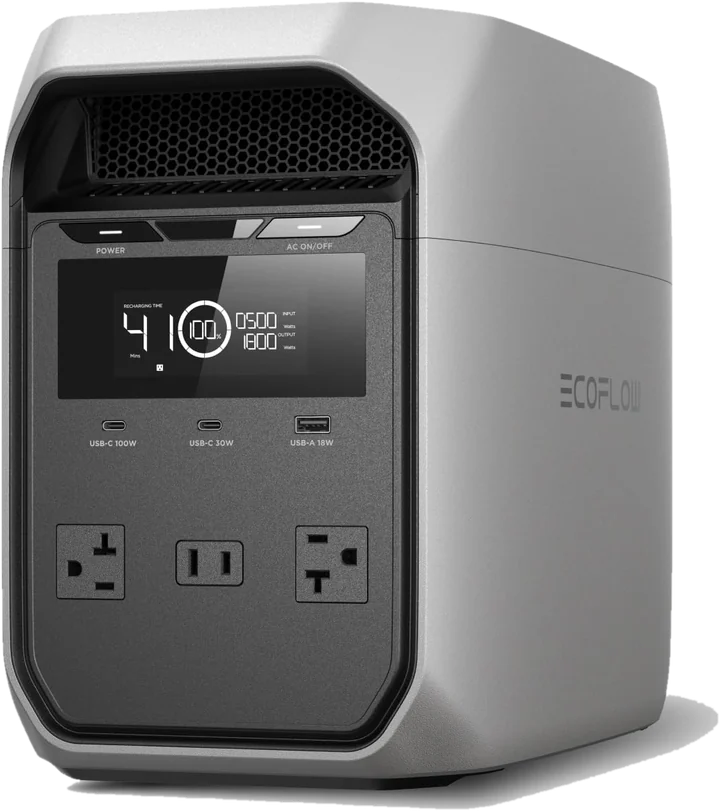
EcoFlow DELTA 3 Classic: the better small box
Which brand makes the better small power station?
EcoFlow, on the evidence. The DELTA 3 Classic's box says
The catch is the same idle tax, smaller. Two tests put it at
Between these two brands' small boxes, we'd buy the Classic for short, frequent outages. The DELTA 3 Classic review covers it in full. Our roundup of power stations for the tightest budget weighs it against a wider field than these two makers, and backs it there for the same short, frequent outages.
Jackery Explorer 1000 v2: too little measured to trust for backup
Jackery's own US page lists this box at
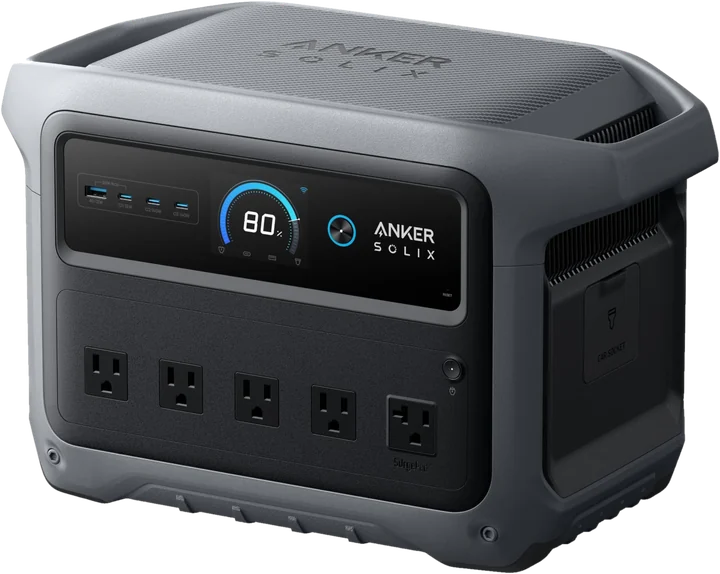
EcoFlow DELTA 3 Max: skip it, the idle bill is too high
Twice the Classic's battery at
Jackery Explorer 5000 Plus : the only split-phase box here
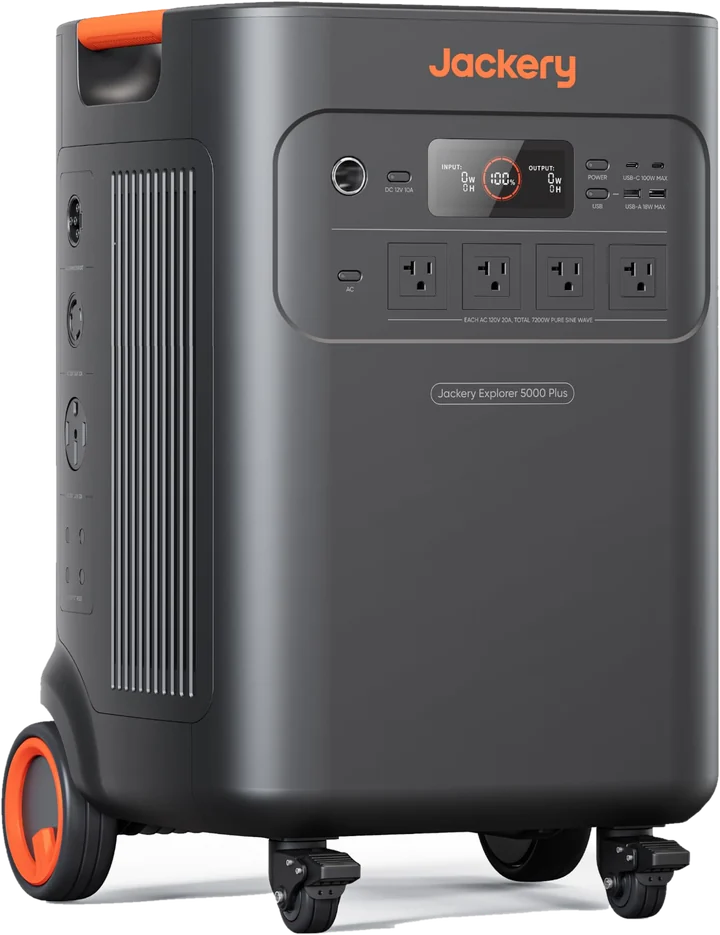
What if my well pump or central air is on a double breaker?
Then this page's pick isn't your box: the HomePower
The catch is the idle bill:
What decides between EcoFlow and Jackery, size by size
Neither brand has a CPSC recall on any of these six units.
| Unit | Rated battery | Energy measured out | Idle draw, inverter on | Fridge run | Our call |
|---|---|---|---|---|---|
| EcoFlow DELTA 3800 Gen4 | about | about | Wait | ||
| Jackery HomePower | View on Amazon | ||||
| EcoFlow DELTA 3 Classic | Not measured | View on Amazon | |||
| Jackery Explorer 1000 v2 | Not measured | Not measured | Skip | ||
| EcoFlow DELTA 3 Max | Not measured | Not measured | Skip | ||
| Jackery Explorer | Not measured | View on Amazon |
To turn your own fridge and router into hours on a battery, try the home backup power calculator.
Our pick: the Jackery HomePower 3600 Plus
The EcoFlow DELTA 3800 Gen4 may yet prove the better battery. The Jackery HomePower
The evidence in full
What this page rests on: 6 models weighed; 4 maker manuals among them; across this site's research, 589 sources kept in full.
The big 120-volt boxes
| Measurement | EcoFlow DELTA 3800 Gen4 (US | Jackery HomePower |
|---|---|---|
| Energy out | ||
| Idle, inverter on, no load | about | |
| Fridge | about | |
| Efficiency | not measured | 79.66% round trip (CNET); 89% inverter (The Solar Lab) |
| Output | shut down twice with the whole load on the | surged to |
| On wall power | no bypass limit published | |
| Switchover | a desktop PC stayed on when wall power was cut; not timed (HOBOTECH) | a running computer stayed on (HOBOTECH); not timed |
| Noise at full load | no figure | |
| Wall charging | ||
| Cold charging floor | - |
No independent lab (CNET, Consumer Reports, Wirecutter, The Solar Lab) had tested the DELTA 3800 Gen4 by
The small boxes
| Measurement | EcoFlow DELTA 3 Classic (US units, EF-DL3-C) | Jackery Explorer 1000 v2 (US unit, JE-1000D) |
|---|---|---|
| Energy out | not measured | |
| Idle, inverter on | ||
| Efficiency | 81.34% round trip (CNET); 83% (The Solar Lab, a different measure) | 87.5% near its maximum load (The Solar Lab) |
| Output | no surge test; UPS ride-through on TVs, lights and aquarium pumps seen by The Solar Pit, John's Off-Road and ReefDudes, none timed with an instrument | carried |
| Wall charging |
CNET's spec line for the Classic lists more outlets than the unit has; its photo and charge time match the Classic, so the result is taken as the Classic's. OutdoorGearLab's "EcoFlow Delta 3" review tested the original, expandable DELTA 3, not the Classic, so its capacity figure doesn't belong to the box above. EcoFlow's FAQ calls the Classic's inverter output floating-ground, and Jackery's FAQ gives the same answer for its small Explorer. Jackery's similarly named HomePower model in this size is a different product, and none of its results are used here.
The mid-size and split-phase boxes
- EcoFlow DELTA 3 Max: The Solar Lab measured
27 W idle, 79% efficiency and a 68-minute wall charge, with affiliate links and a discount code on the page. No lab capacity figure. The manual warns its AC timeout can cut a fridge and says to set it to "never". - Jackery Explorer
5000 Plus : ReeWray Outdoors reports4,374 Wh drawn on AC at a moderate load, and an idle drain in line with Jackery's50 W claim; no other tester has repeated the capacity figure. The Solar Lab measured58 W idle. ReeWray started a 3-ton central air unit; The Solar Lab could not start its own air conditioner, which it estimates surges far higher. Through Jackery's Smart Transfer Switch, switchover was about20 ms for The Solar Lab and for GearDiary with UPS mode on, against about3,000 ms on Will Prowse's launch unit, likely settings and early firmware. Its neutral floats: EV chargers refused to run until a bonding plug was fitted (ReeWray, Will Prowse). The well-pump start comes from GearDiary, which discloses supplied review products.
Recalls and brand notes
The CPSC database shows no Jackery recall and no recall on any EcoFlow unit on this page. EcoFlow's one recall, 26-010, covers the older DELTA Max 2000 (EFD310), fixed by a firmware update through the EcoFlow app; it says nothing about these models. Owner evidence at scale is missing for every unit here: the forum reader failed during this research run.
Sources
- Jackery HomePower
3600 Plus user manual(JHP-3600A) (opens in a new tab) - Jackery HomePower
3600 Plus , US productpage (opens in a new tab) - EcoFlow DELTA 3800 Gen4, US store page, tech specs and
FAQ (opens in a new tab) - EcoFlow DELTA 3 Classic, US
specs (opens in a new tab) - EcoFlow DELTA 3 Classic, US support
FAQ (opens in a new tab) - EcoFlow DELTA 3 Classic user manual
(US) (opens in a new tab) - EcoFlow DELTA 3 Max, US store
page (opens in a new tab) EcoFlow DELTA 3 Max user manual (opens in a new tab) - Jackery Explorer 1000 v2 basic information (US
FAQ) (opens in a new tab) - Jackery Explorer 1000 v2, US product
page (opens in a new tab) - Jackery Explorer
5000 Plus user manual(US) (opens in a new tab) - Jackery Explorer
5000 Plus basic information(FAQ) (opens in a new tab) CPSC recall database: EcoFlow (opens in a new tab) CPSC recall database: Jackery (opens in a new tab) - CNET Labs: best portable power
stations (opens in a new tab) - The Solar Lab: Jackery HomePower
3600 Plus review (opens in a new tab) - HOBOTECH: Jackery HomePower
3600 Plus (YouTube) (opens in a new tab) - Adventure Gear TV: HomePower
3600 Plus , Jackery-sponsored(YouTube) (opens in a new tab) - Mike Builds: HomePower
3600 Plus (YouTube) (opens in a new tab) - HOBOTECH: EcoFlow DELTA 3800 Gen4
(YouTube) (opens in a new tab) - Outdoor Prepper: DELTA 3800 Gen4 fridge run
(YouTube) (opens in a new tab) - The Solar Lab: EcoFlow DELTA 3 Classic
(YouTube) (opens in a new tab) - The Solar Pit: EcoFlow DELTA 3 Classic
(YouTube) (opens in a new tab) - John's Off-Road: EcoFlow DELTA 3 Classic
(YouTube) (opens in a new tab) - ReefDudes: EcoFlow DELTA 3 Classic
(YouTube) (opens in a new tab) - The Solar Lab: EcoFlow DELTA 3 Max
review (opens in a new tab) - The Solar Lab: Jackery Explorer 1000 v2
(YouTube) (opens in a new tab) - Fer's Reviews: Jackery Explorer 1000 v2
(YouTube) (opens in a new tab) - The Solar Lab: Jackery Explorer
5000 Plus (YouTube) (opens in a new tab) - The Solar Lab: what is a smart transfer
switch (opens in a new tab) - ReeWray Outdoors: Jackery Explorer
5000 Plus (YouTube) (opens in a new tab) - GearDiary: Jackery Explorer
5000 Plus review (opens in a new tab) - Will Prowse: Jackery Explorer
5000 Plus launch unit(YouTube) (opens in a new tab)