Best Mid-Range Power Stations 2026: Expert Picks
We analyzed 8 mid-range portable power stations in the 1,000-1,200Wh class — testing claims against independent reviews, comparing charging speeds, measuring output capabilities, and calculating real cost-per-watt-hour across LiFePO4 batteries rated for 3,000-4,000+ cycles. These are the stations worth buying for RV trips, extended camping, home backup, and off-grid power in 2026.
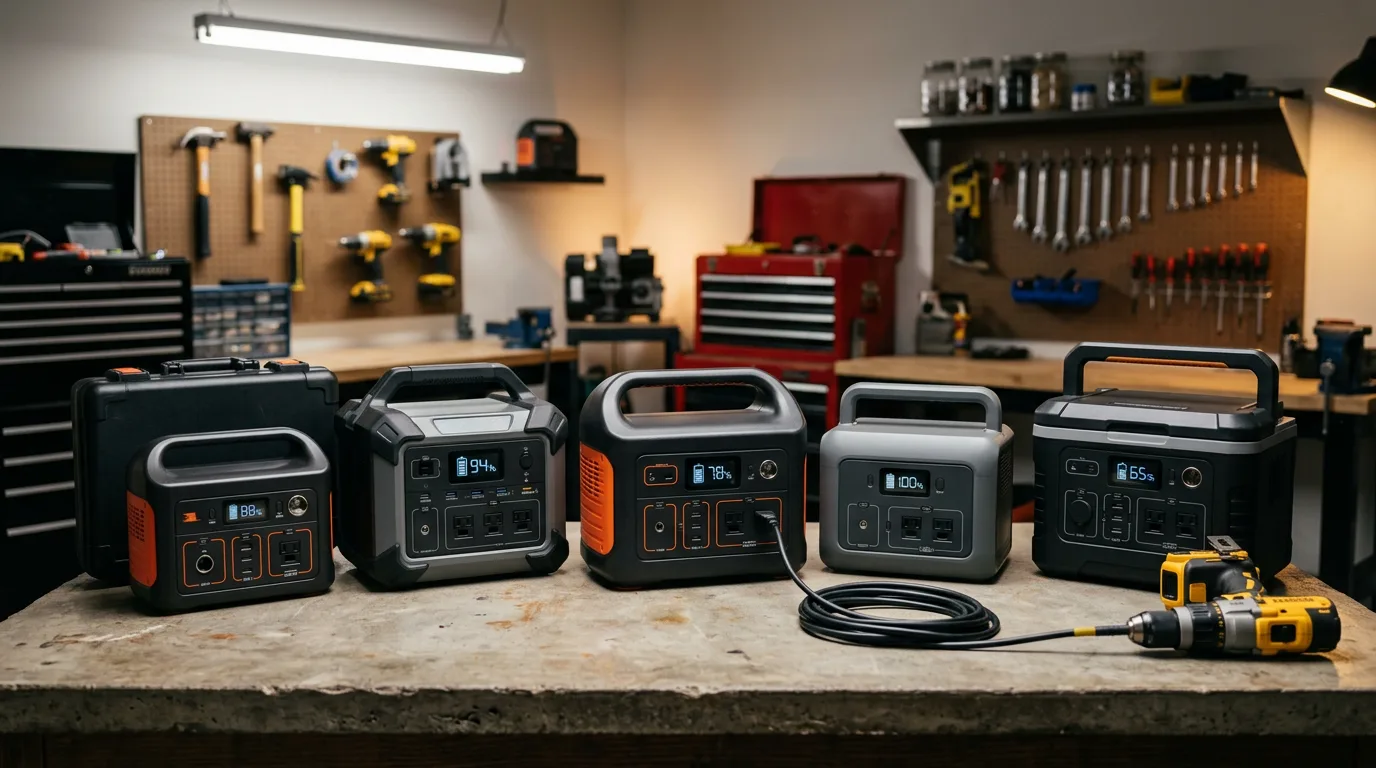
The mid-range category is where portable power stations stop being gadget chargers and start being genuine appliance runners. Every unit here delivers at least 1,024Wh of LiFePO4 capacity and 1,200W of continuous output — enough to run a refrigerator through an overnight outage, power an RV kitchen, or sustain a remote work setup for multiple days with solar top-ups.
But "mid-range" covers a wide spread. The cheapest entry runs a third of the price of the most expensive, and the feature gap is just as stark. Some stations charge from empty to full in 49 minutes. Others take three and a half hours. Some expand to 5,000Wh. Others are locked at 1,024Wh forever. One unit has a built-in solar panel. Another holds a Guinness World Record for charging speed.
We dissected each station's real-world performance — cross-referencing manufacturer claims with results from PCWorld, StorageReview, NotebookCheck, CleanTechnica, The Gadgeteer, and verified Amazon purchasers. The rankings below reflect genuine capability differences, not marketing language.
Quick Comparison: All 8 Mid-Range Stations
Side-by-side specs for every mid-range power station we reviewed. All units use LiFePO4 batteries with 1,024-1,190Wh capacity.
| Feature | UPOPOWER S1200 Portable Power Station | EcoFlow DELTA 2 Portable Power Station | OUKITEL P1000 Plus Portable Power Station with 100W Solar Panel | OUPES Mega 1 Portable Power Station with 100W Solar Panel | BLAVOR 1600W Portable Power Station | Anker SOLIX C1000 Portable Power Station | Anker SOLIX C1000 Gen 2 Portable Power Station | Jackery Solar Generator 1000 v2 with 200W Solar Panel |
|---|---|---|---|---|---|---|---|---|
| Price Range | $250–$500 | $250–$500 | $250–$500 | $250–$500 | $500+ | $500+ | $500+ | $500+ |
| Battery Capacity | 1,190Wh | 1,024Wh | 1,024Wh | 1,024Wh | 1,024Wh | 1,056Wh | 1,024Wh | 1,070Wh |
| Battery Type | LiFePO4 | LiFePO4 | LiFePO4 | LiFePO4 | LiFePO4 | LiFePO4 | LiFePO4 | LiFePO4 |
| Output Power | 1,200W | 1,800W (2,200W X-Boost) | 1,800W | 2,000W | 1,600W | 1,800W (2,000W SurgePad) | 2,000W | 1,500W |
| Surge Power | 1,800W | 2,700W | 3,600W | 4,500W | 3,200W | 2,400W | 3,000W (SurgePad) | 3,000W |
| Weight | ~26 lbs | 27 lbs | 26.5 lbs | ~28 lbs | ~28 lbs | 25.5 lbs | 24.9 lbs | 24.5 lbs |
| Solar Input | 400W max | 500W max | 500W max (XT60) | 800W max | ~280W (40W built-in + 240W external) | 600W max (60V) | 600W max (60V) | 400W max |
| Check Price | Check Price | Check Price | Check Price | Check Price | Check Price | Check Price | Check Price |
Every Mid-Range Power Station, Ranked
1. Anker SOLIX C1000 Gen 2 — Best Overall Mid-Range Station
1,024Wh LiFePO4 · 2,000W Output · $500+
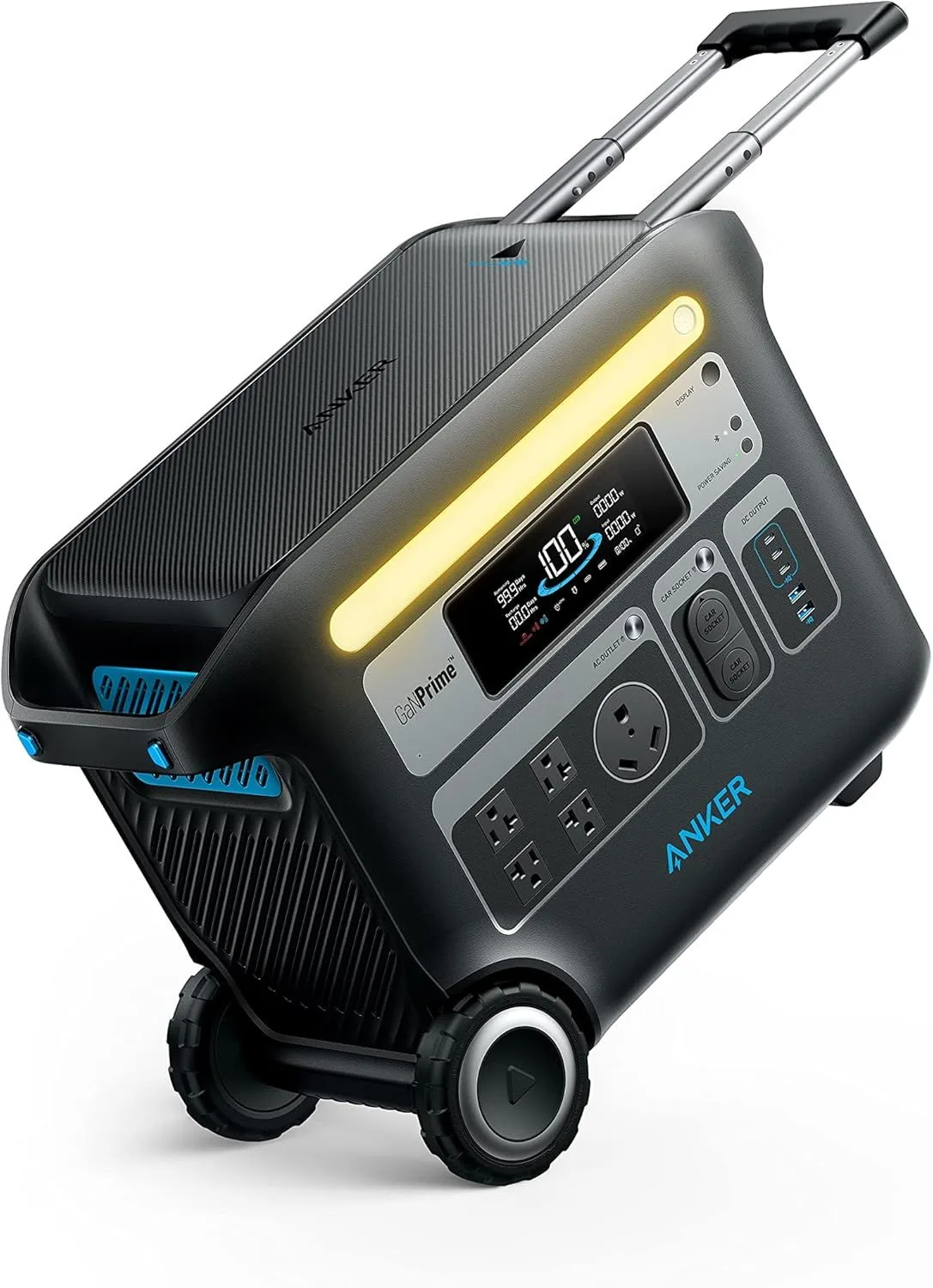
The Anker SOLIX C1000 Gen 2 holds a Guinness World Record for charging speed — and that is not marketing flair. The 49-minute 0-100% charge via 1,600W HyperFlash input was independently verified by MacRumors, NotebookCheck, and The Gadgeteer. No other portable power station on the market charges this fast from a standard AC outlet, regardless of category or price tier.
At 24.9 lbs delivering 2,000W continuous, the C1000 Gen 2 has the best power-to-weight ratio in the mid-range lineup — lighter than every competitor while matching or exceeding their output. Two 140W USB-C ports fast-charge the latest MacBooks at maximum speed simultaneously. MacRumors confirmed 100% standby charge retention after a full month powered off — the best idle performance we have seen in any category.
The Gen 2 sacrificed expandability to achieve its lighter, more compact design. If you need growth beyond 1,024Wh, the EcoFlow DELTA 2 or OUPES Mega 1 are better platforms. Fan noise under charging and high-draw loads is a consistent complaint across reviewers — not quiet enough for bedside CPAP use. And at its full MSRP, the competition from budget entries like the UPOPOWER S1200 is fierce. At sale prices in the mid-range tier, this becomes an outstanding buy that justifies the Anker premium.
2. EcoFlow DELTA 2 — Best for Features and Expandability
1,024Wh LiFePO4 · 1,800W (2,200W X-Boost) Output · $250–$500
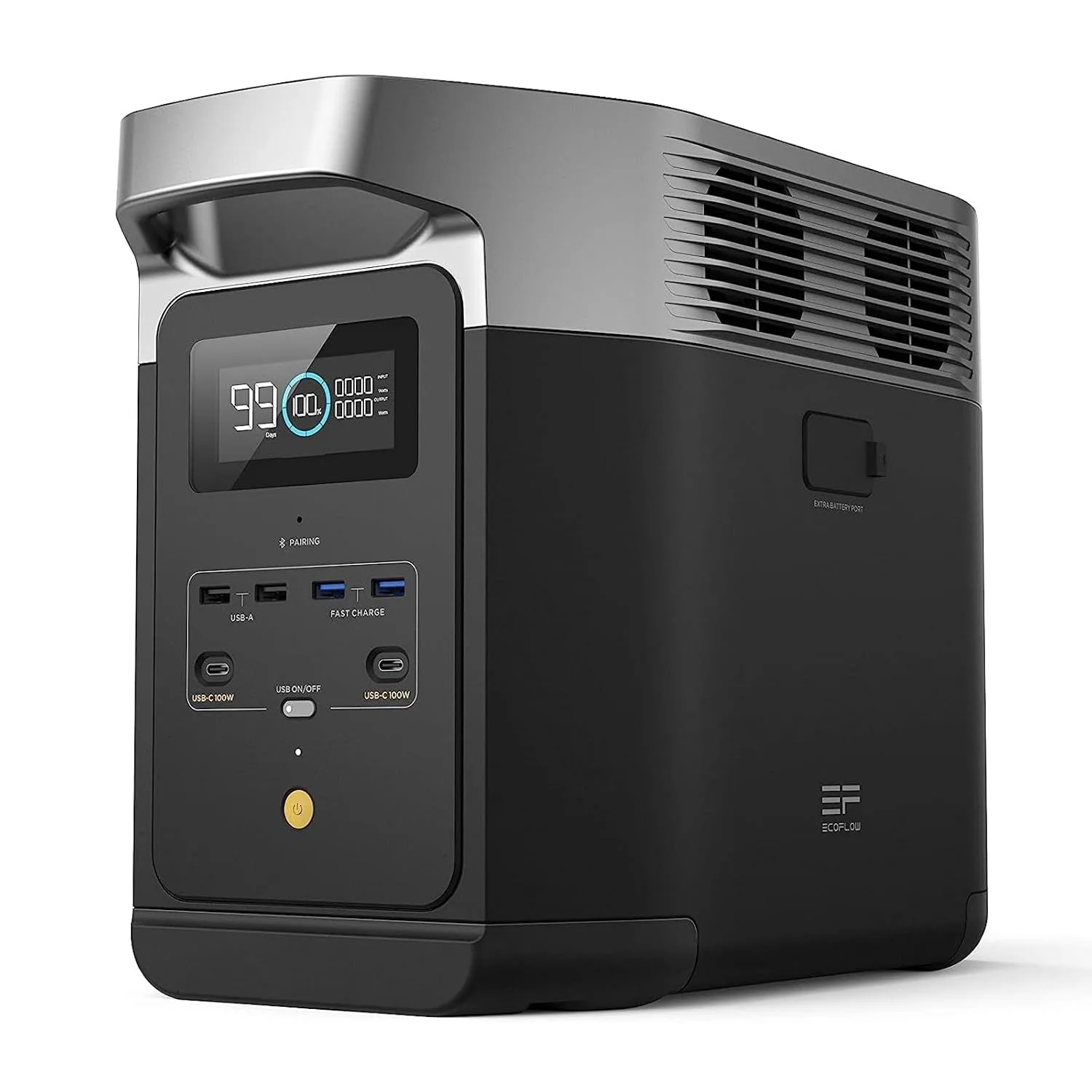
The EcoFlow DELTA 2 remains the most feature-dense station in this class. X-Boost technology extends effective output to 2,200W by intelligently managing voltage — PCWorld verified it powering a microwave, coffee maker, and hair dryer that would trip a standard 1,800W inverter. The Wi-Fi and Bluetooth app ecosystem is the most polished available, offering real-time monitoring, remote port toggling, charging schedules, and firmware updates from your phone.
Expandability to 3,072Wh with EcoFlow's extra batteries makes this a future-proof platform. Start with 1,024Wh for camping, add a battery module when you buy an RV, and scale again for home backup. No other station in this price range offers the same growth path. The 0-80% charge in 50 minutes via X-Stream technology keeps it competitive with the Anker on charging speed, though the Anker still beats it to a full charge.
Fan noise is the persistent weakness. PCWorld titled their review "Flexible, advanced, and LOUD" — and every other major reviewer confirmed the observation. The 19.5 x 9.5 x 12-inch footprint is the largest in this roundup, and the 83.3% discharge efficiency measured by StorageReview means you lose nearly a fifth of your stored capacity to heat. The 3,000-cycle rating also falls behind competitors offering 4,000+. Still, at sale prices and with its feature set, the DELTA 2 earns its position.
3. OUPES Mega 1 — Highest Output and Solar Input
1,024Wh LiFePO4 · 2,000W (4,500W Surge) Output · $250–$500
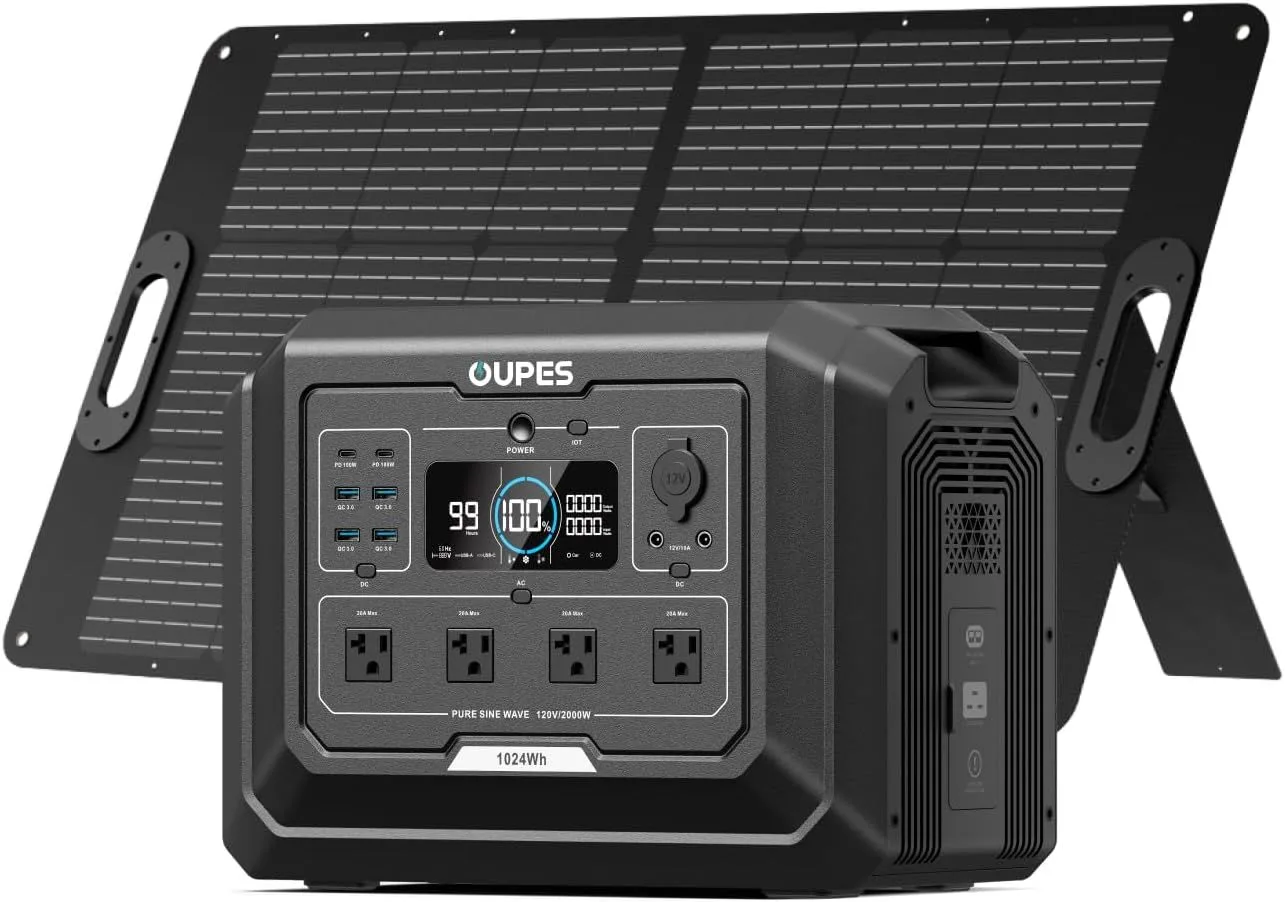
The OUPES Mega 1 is the raw power champion of this class. A genuine 2,000W continuous output with 4,500W surge — verified by The Solar Lab and CleanTechnica — means it starts demanding motor loads that trip lighter stations. The 800W solar input accepts 33-60% more solar power than any competitor, fully charging from panels in just over an hour with adequate wattage. Expandability to 5,120Wh with two B2 expansion batteries offers the most growth capacity in this price range.
The included 100W solar panel, 5-year warranty (6 with registration), and US-based customer support make this a complete package at a competitive price. For off-grid enthusiasts who want to maximize renewable charging and need headroom for high-draw appliances, the Mega 1 delivers specifications that cost considerably more from Anker or EcoFlow.
The rough spots are consistent: fan noise while charging and under USB-C load is "noticeably louder" than competitors according to multiple reviewers. CleanTechnica measured 79% efficiency under heavy loads — the lowest figure in this lineup, meaning more stored energy lost to heat. The mobile app is functional but outdated compared to EcoFlow's polished interface. And the proprietary AC adapter creates a single-point failure that requires a direct OUPES replacement. For buyers who prioritize raw power specifications over polish and refinement, the Mega 1 delivers more watts and more solar input per dollar than anything else here.
4. OUKITEL P1000 Plus — Best Complete Solar Kit
1,024Wh LiFePO4 · 1,800W (3,600W Surge) Output · $250–$500
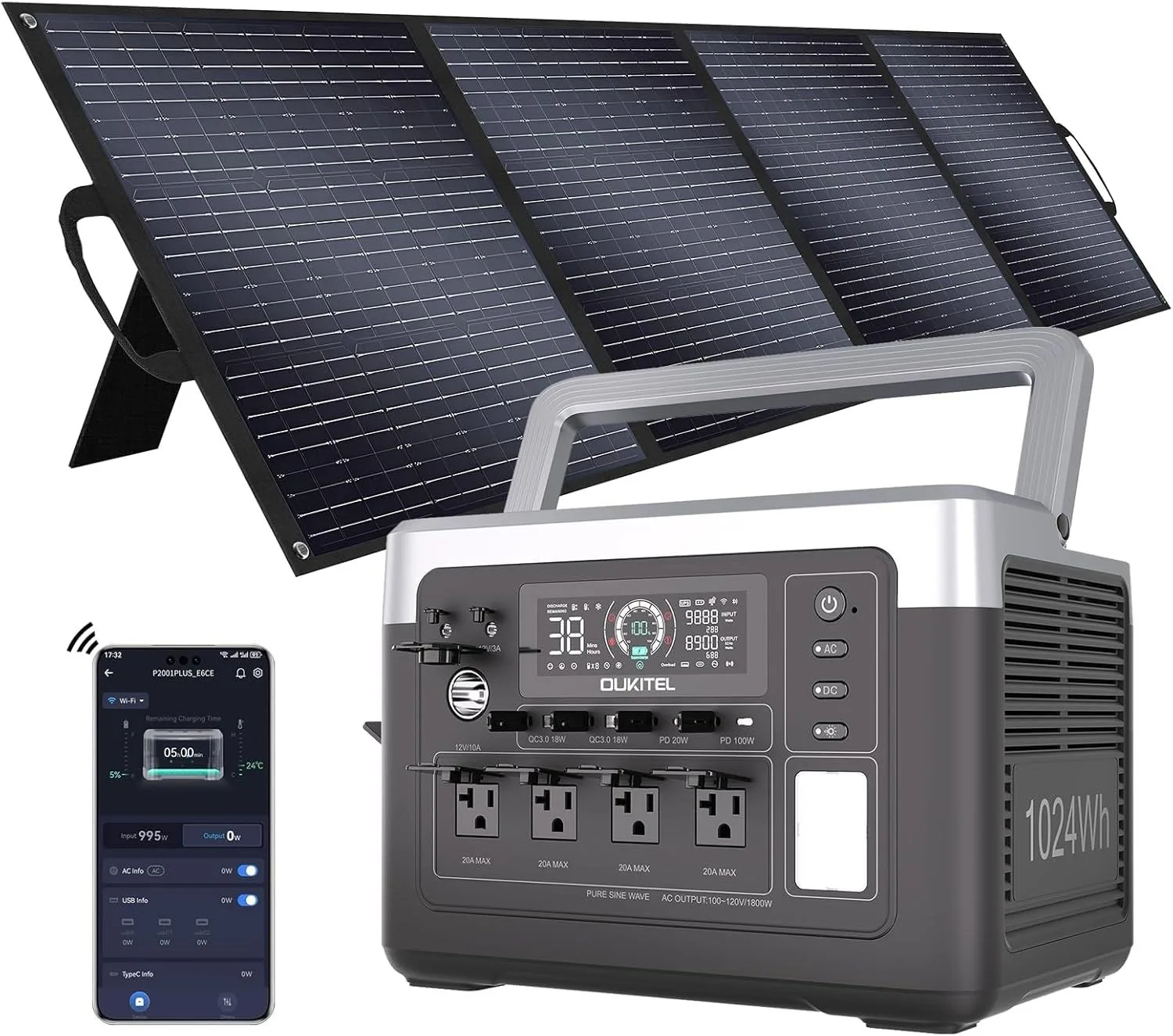
The OUKITEL P1000 Plus stands out as the best-value complete solar generator kit in the mid-range class. The 100W foldable panel included at just under the mid-range price tier undercuts every competitor on total out-of-box cost for a functional solar setup. The 0-80% AC charge in 39 minutes is the fastest in this roundup — confirmed by hands-on reviewers — and the 29dB operation is independently verified as quieter than a library.
At 26.5 lbs, it is 30% lighter than competing 1,000Wh units while still delivering 1,800W continuous with a 3,600W surge — enough for most household appliances including refrigerators and window AC units. The 4,000+ cycle battery exceeds both the EcoFlow DELTA 2 (3,000 cycles) and the OUPES Mega 1 (3,500 cycles), making the long-term cost math favorable.
The limitations are clear: no expandable battery option locks you at 1,024Wh forever. The included 100W panel is a trickle-charge convenience under real sun conditions — 4-5 hours minimum for a full charge in ideal conditions, longer with clouds. Warranty documentation varies between 2 and 5 years across retailers, so verify before purchasing. And the Bluetooth-only app lacks the depth of EcoFlow or Anker's Wi-Fi-connected ecosystems. For buyers who want the most complete out-of-box solar generator experience without buying separate panels, the OUKITEL bundle is hard to beat on value.
5. UPOPOWER S1200 — Best Budget Mid-Range
1,190Wh LiFePO4 · 1,200W Output · $250–$500
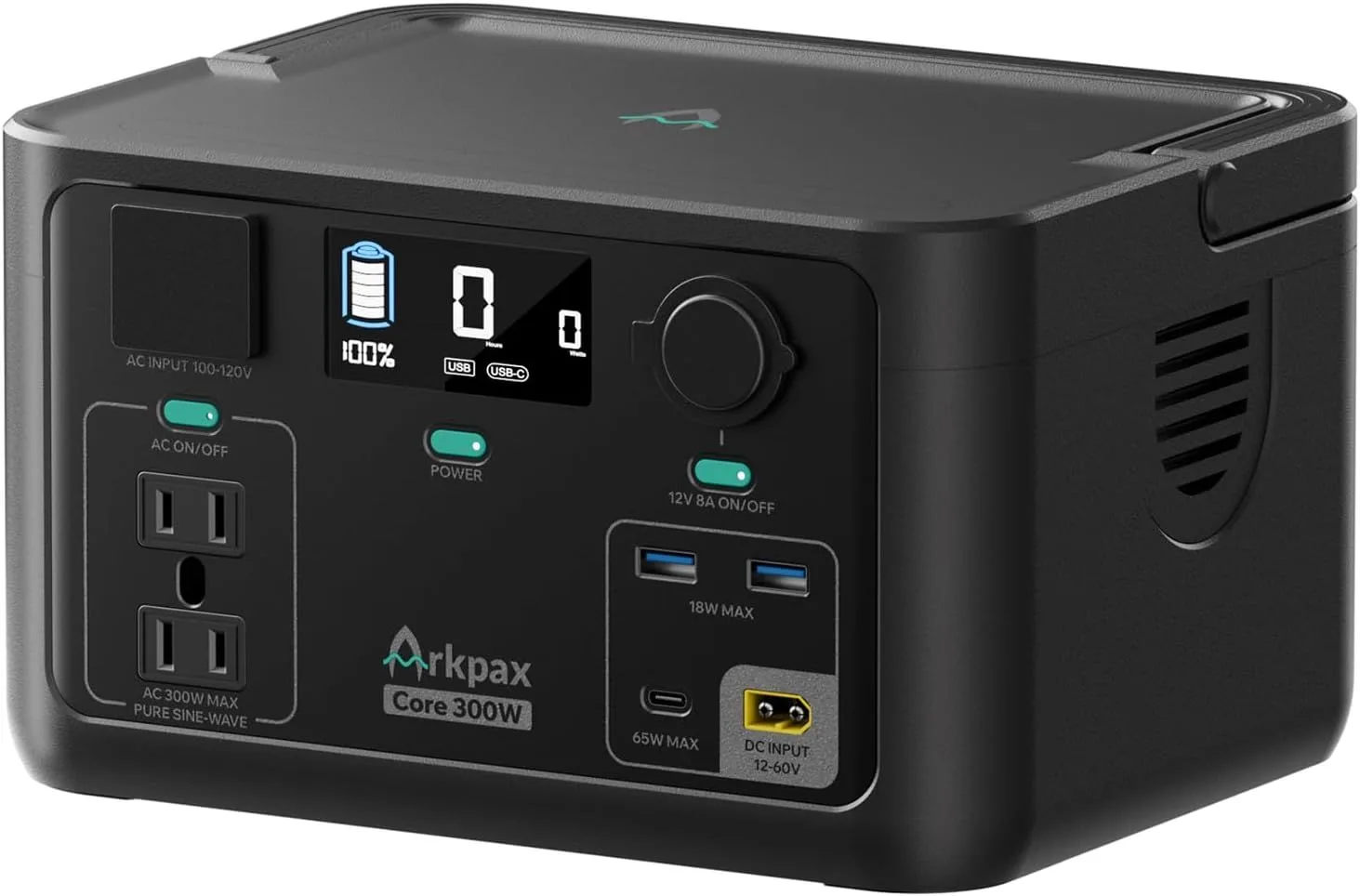
The UPOPOWER S1200 undercuts every mid-range competitor on price while delivering the most capacity in the lineup at 1,190Wh — 166Wh more than the 1,024Wh standard that every other station in this class shares. The enterprise-grade UPS switchover speed under 0.01 seconds is verified by Amazon purchasers who report uninterrupted appliance power maintenance during outages. Sub-25dB operation makes it the quietest unit in the roundup.
Fifteen output ports including a built-in Qi wireless charger give it the highest port count for a sub-mid-range unit. The 4,000+ cycle battery and 5-year warranty provide long-term confidence. The patented energy management system delivers 90%+ charge retention after 12 months of idle storage — outstanding for emergency preparedness buyers who charge the unit once and need it ready months later.
The 1,200W continuous output is the ranking bottleneck. Where competitors deliver 1,800-2,000W, the UPOPOWER taps out at 1,200W — meaning space heaters, large microwaves, and high-draw power tools exceed its capability. No expansion battery option locks capacity at 1,190Wh. And UPOPOWER/UDPOWER is a newer brand with only 35 Trustpilot reviews — a real concern for a product expected to last a decade. The 400W max solar input also trails competitors at 500-800W. For buyers who prioritize silent operation, UPS speed, and the lowest entry price over raw wattage and brand pedigree, the S1200 delivers remarkable specifications per dollar.
6. BLAVOR 1600W — Most Innovative (But Hard to Justify)
1,024Wh LiFePO4 · 1,600W (3,200W Surge) Output · $500+
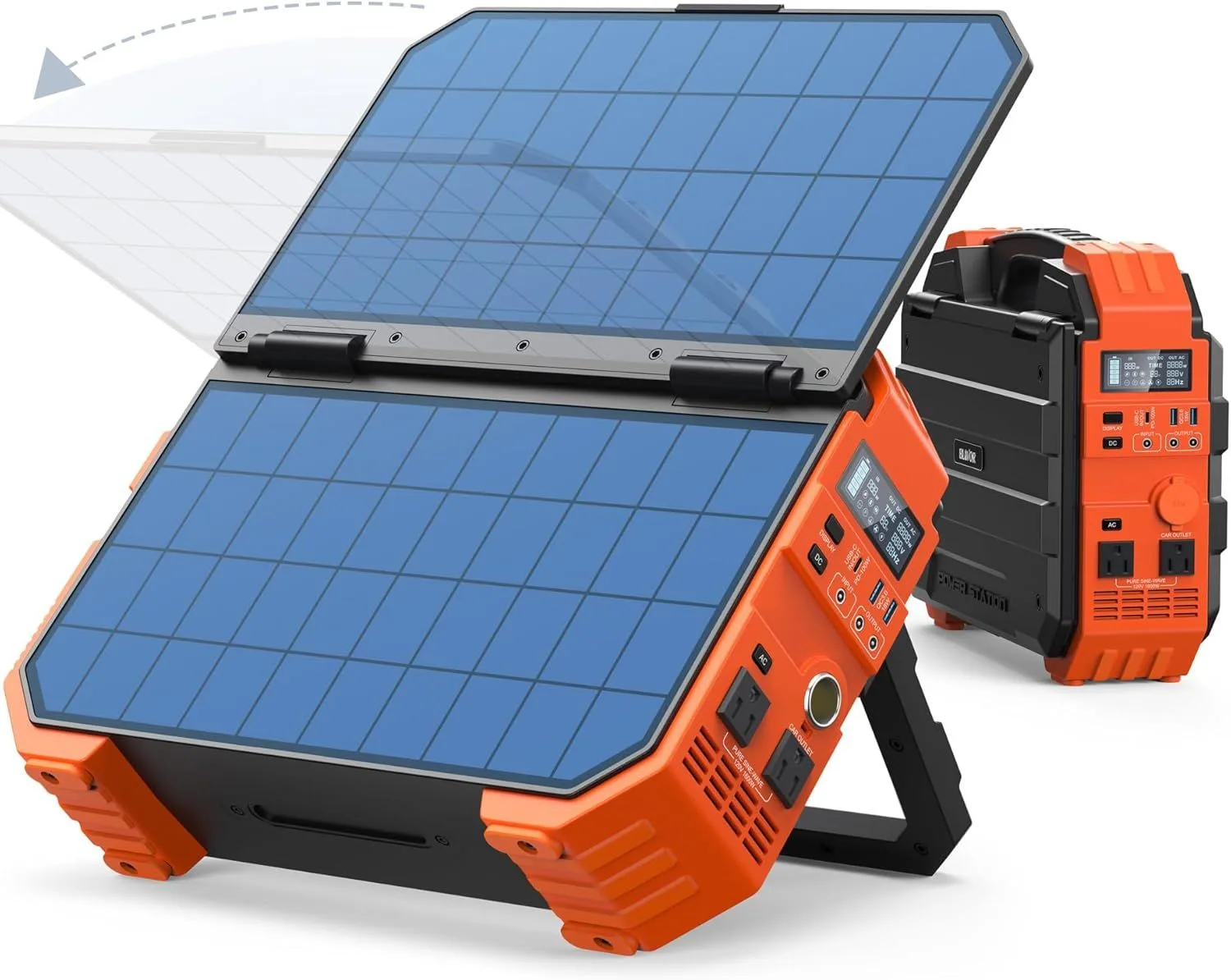
The BLAVOR 1600W is unlike anything else here. A built-in 40W foldable solar panel — the only integrated panel in any power station on the market — earned an iF Design Award for good reason. For pure emergency preparedness, the concept is compelling: you never forget the panel because it is physically attached to the station. Deploy it, angle it toward the sun, and you have solar charging without cables, adapters, or a separate carry bag.
The 1,600W output with 3,200W surge handles most household appliances. The 100W USB-C two-way fast charging port adds flexibility. Ten adapter heads included make it the most self-contained power kit in the lineup. For emergency scenarios where grab-and-go readiness is paramount, there is nothing else like it.
The math, though, is difficult. At its MSRP, the BLAVOR costs more than the EcoFlow DELTA 2 (which delivers 2,200W X-Boost output), the OUKITEL P1000 Plus with a 100W panel (which charges to 80% in 39 minutes), and the OUPES Mega 1 with a 100W panel (which offers 2,000W output and 5,120Wh expandability). The BLAVOR charges slower than all of them — roughly 3.5 hours from AC, the slowest in the mid-range class. The built-in 40W panel provides minimal real-world charging — at under ideal conditions, charging 1,024Wh from that panel alone takes 30-40 hours. And only 8 output ports trail the 11-15 ports competitors offer. A creative concept — but competitors deliver more power, faster charging, more ports, and a separate higher-wattage panel for less money.
Our Ranking Methodology
Mid-range power stations share enough baseline specs (LiFePO4 batteries, 1,000+ Wh capacity, pure sine wave inverters) that the ranking criteria shift from "does it work" to "how well does it work and at what cost." Here is what determined placement:
- Charging speed — both AC and solar (25%): The gap between a 49-minute full charge (Anker C1000 Gen 2) and a 3.5-hour charge (BLAVOR 1600W) fundamentally changes how you use the product. Faster charging means less planning, more spontaneity, and quicker recovery during multi-day outages. We weighted AC charge time highest because most users charge from wall outlets between trips.
- Output wattage and real-world capability (20%): Continuous wattage determines which appliances you can run. Surge capability determines which motor loads you can start. We verified output claims against independent reviewer measurements — not just manufacturer specs. X-Boost and similar technologies that extend effective output receive credit when independently confirmed.
- Value per watt-hour over lifetime (20%): Total cost (including bundled panels) divided by capacity times cycle life. A station that costs more upfront but lasts 4,000 cycles beats a cheaper one rated for 3,000 cycles on long-term economics. We also factor in expandability potential — a station that can grow to 5,120Wh represents different value than one locked at 1,024Wh.
- Noise level and practical usability (15%): Fan noise is the most common complaint across all mid-range stations. For CPAP users, home office use, and apartment living, sub-30dB operation is a requirement, not a nice-to-have. We cross-referenced noise claims with independent measurements from NotebookCheck, PCWorld, and Battery Essence.
- Brand trust, warranty, and support (10%): A 5-year warranty from Anker means something different than a 1-year warranty from a brand with 35 Trustpilot reviews. We check Amazon review volume, expert publication coverage, warranty repair infrastructure, and company longevity. This factor prevents pure-spec leaders from leapfrogging established brands that back their products with reliable support.
- Port selection, app ecosystem, and features (10%): USB-C PD wattage, total port count, UPS capability, app sophistication, and build quality. These are tiebreakers between similarly spec'd stations — the EcoFlow app ecosystem and Anker's USB-C PD implementation are genuine differentiators that justify ranking adjustments.
Mid-Range Power Station Buying Guide
Who Needs a Mid-Range Station
The mid-range class serves three primary use cases. First, RV and van life travelers who need to run a fridge, charge devices, and power small appliances without shore power — 1,000Wh provides a full day of moderate use with solar top-ups extending runtime indefinitely. Second, home backup buyers who want to keep a refrigerator, Wi-Fi router, phone chargers, and basic lighting running through an overnight outage. Third, extended camping and outdoor event users who need more capacity and output than compact portables provide.
If your needs are limited to phone and laptop charging, the compact portable category delivers adequate capacity at lower cost and weight. If you need to run a central AC unit, electric water heater, or whole-house circuits, you need the whole-home backup category with 3,000Wh+ capacity and 240V output.
Charging Speed: The Overlooked Spec
Most buyers focus on capacity and output wattage. But charging speed determines how the station fits into your life. The Anker C1000 Gen 2 charges from empty to full in 49 minutes — you can top it up during a lunch break, between errands, or while loading the car. The BLAVOR 1600W takes 3.5 hours — meaning you need to plan charging sessions hours in advance or leave it plugged in overnight. For road trips with brief stops, fast charging is the difference between a station that fits your routine and one that forces you to build your routine around it.
Expandability: Buy for Today or Plan for Tomorrow
Three stations in this lineup offer expansion: EcoFlow DELTA 2 to 3,072Wh, OUPES Mega 1 to 5,120Wh, and the Anker C1000 Gen 1 (not the Gen 2, which sacrificed expansion for its lighter design). Expansion batteries typically cost 60-80% of the base unit per additional 1,024Wh. If you anticipate needing more capacity within the next 2-3 years — moving to an RV, adding a workshop, or preparing for longer outages — buying an expandable platform now avoids replacing the entire system later.
Solar Input: Matching Panels to Stations
Solar input wattage determines how fast you can recharge from panels — and the range in this class is dramatic. The OUPES Mega 1 accepts 800W. The UPOPOWER S1200 accepts 400W. The BLAVOR accepts only 280W total. Higher solar input means faster off-grid recovery, which matters during multi-day outages when the grid is down and wall outlets are unavailable. If solar is your primary recharging method, prioritize stations with 500W+ solar input and budget for panels that can deliver it.
Noise: The CPAP and Apartment Factor
If you need a station running overnight next to your bed (CPAP users) or in a shared living space (apartment dwellers), noise level is a hard requirement. Sub-25dB (UPOPOWER S1200) is essentially inaudible. At 29dB (OUKITEL P1000 Plus), you might hear a faint hum in a silent room. Above 40dB (EcoFlow DELTA 2 under load), you will hear it from across the room. Manufacturer dB claims are measured at specific conditions — full-load fan noise is always higher than idle noise. Cross-reference with independent reviews before buying for quiet environments.
UPS Mode: Not All Switchovers Are Equal
Three stations in this roundup advertise UPS (uninterruptible power supply) functionality — the ability to switch from grid power to battery power fast enough that connected devices never notice the outage. But switchover speed varies by orders of magnitude. The UPOPOWER S1200 switches in under 10 milliseconds — fast enough to keep desktop computers, NAS drives, and network equipment running without a reboot. The EcoFlow DELTA 2 switches in under 30 milliseconds, which keeps most electronics alive but may cause sensitive laboratory or medical instruments to reset. Standard UPS units for offices typically switch in 5-12 milliseconds. If UPS functionality is a primary use case, verify the switchover time against your equipment's tolerance — the spec sheet number is the maximum, not the typical value.
Which Price Range Fits Your Needs
The budget tier of this class delivers 1,190Wh with silent operation, UPS capability, and a 5-year warranty. The mid tier adds faster charging, higher output, expandability, and polished apps. The upper tier brings premium build quality, Guinness-certified charging speed, and top-tier brand support. Every unit in this roundup runs a refrigerator and charges your devices — the question is how fast, how quietly, and for how many years.
What Buyers Ask About Mid-Range Stations
How much can a 1,000Wh power station actually run during an outage?
A 1,024Wh unit runs a standard refrigerator (150W average draw) for roughly 5-6 hours, a CPAP machine (30-60W) for 15-30 hours, or a 50-inch LED TV for 10-12 hours. You can power a Wi-Fi router (12W) for over 70 hours. The key is managing loads — running a fridge and TV together cuts runtime roughly in half. For multi-day outages, pair the station with solar panels to extend runtime indefinitely during daylight hours.
Is the EcoFlow DELTA 2 still worth buying in 2026?
Yes — but only at a discounted price. The DELTA 2 remains one of the most feature-rich mid-range stations with X-Boost to 2,200W, expandability to 3,072Wh, and the strongest app ecosystem. But at full MSRP, the Anker SOLIX C1000 Gen 2 charges faster, weighs less, and matches it on output. Wait for EcoFlow sales, which regularly bring the DELTA 2 below the Anker. At that price, the expandability and app features make it an outstanding buy.
What is the difference between continuous watts and surge watts?
Continuous watts is the sustained output a station can maintain indefinitely — this is the number that matters for most appliances. Surge watts is a brief spike (typically 3-10 seconds) the station can handle for motor startup loads, like a refrigerator compressor kicking on. A 1,800W continuous / 3,600W surge station runs a 1,500W appliance continuously and can survive the 3,000W startup spike of a refrigerator compressor.
Do I need expandability in a mid-range power station?
It depends on your growth plans. If you need 1,000Wh now and might need 3,000-5,000Wh later, expandability lets you add capacity without replacing the entire unit. The EcoFlow DELTA 2 expands to 3,072Wh and the OUPES Mega 1 reaches 5,120Wh. But if 1,000Wh covers your needs and you do not plan to scale up, non-expandable units like the Anker C1000 Gen 2 and OUKITEL P1000 Plus deliver excellent value without the premium of expansion port engineering.
How fast can I recharge a mid-range power station from solar panels?
Solar charge time depends entirely on panel wattage and available sunlight. The OUPES Mega 1 accepts 800W of solar input — the highest in this class — and can fully charge in about 1.5 hours with adequate panels. The Anker C1000 Gen 2 accepts 600W for a roughly 1.8-hour solar charge. The BLAVOR 1600W accepts only 280W total (40W built-in plus 240W external), making it the slowest solar charger. In real-world conditions with partial clouds and suboptimal panel angle, expect 30-50% longer than rated times.
Which mid-range station is quietest for bedroom CPAP use?
The UPOPOWER S1200 at sub-25dB and the OUKITEL P1000 Plus at 29dB are the quietest mid-range units — both verified by independent reviewers as near-silent. The EcoFlow DELTA 2 is the loudest, with PCWorld describing it as "Flexible, advanced, and LOUD." The Anker C1000 Gen 2 falls in the middle — NotebookCheck and The Gadgeteer both flagged noticeable fan noise under load. For bedside CPAP, the UPOPOWER or OUKITEL are the clear choices.
What is the best mid-range power station for the money overall?
The UPOPOWER S1200 offers the best raw value — 1,190Wh of LiFePO4 with 15 ports, enterprise-grade UPS, and silent operation at the lowest price in this roundup. The OUKITEL P1000 Plus is the best value if you need a solar panel included. And the Anker C1000 Gen 2 represents the best premium value with its Guinness-certified charging speed, lightest weight, and 5-year Anker warranty. Your best-value pick depends on whether you prioritize price, bundled solar, or brand trust.
Our #1 Pick: Anker SOLIX C1000 Gen 2
Guinness-certified 49-minute full charge, lightest weight at 2,000W output, dual 140W USB-C, perfect standby retention, and Anker's 5-year warranty. The mid-range power station that sets the standard in 2026.