Independent Research · Data-Driven Analysis · Zero Sponsorships
Solar Generator Reviews
You Can Trust
Independent specs analysis, real-world performance data, and honest comparisons across 35 portable power stations — from emergency kits to whole-home backup systems.
Our Top Picks
Hand-selected from 35 solar generators — each earned its spot through specs, value, and real-world performance.
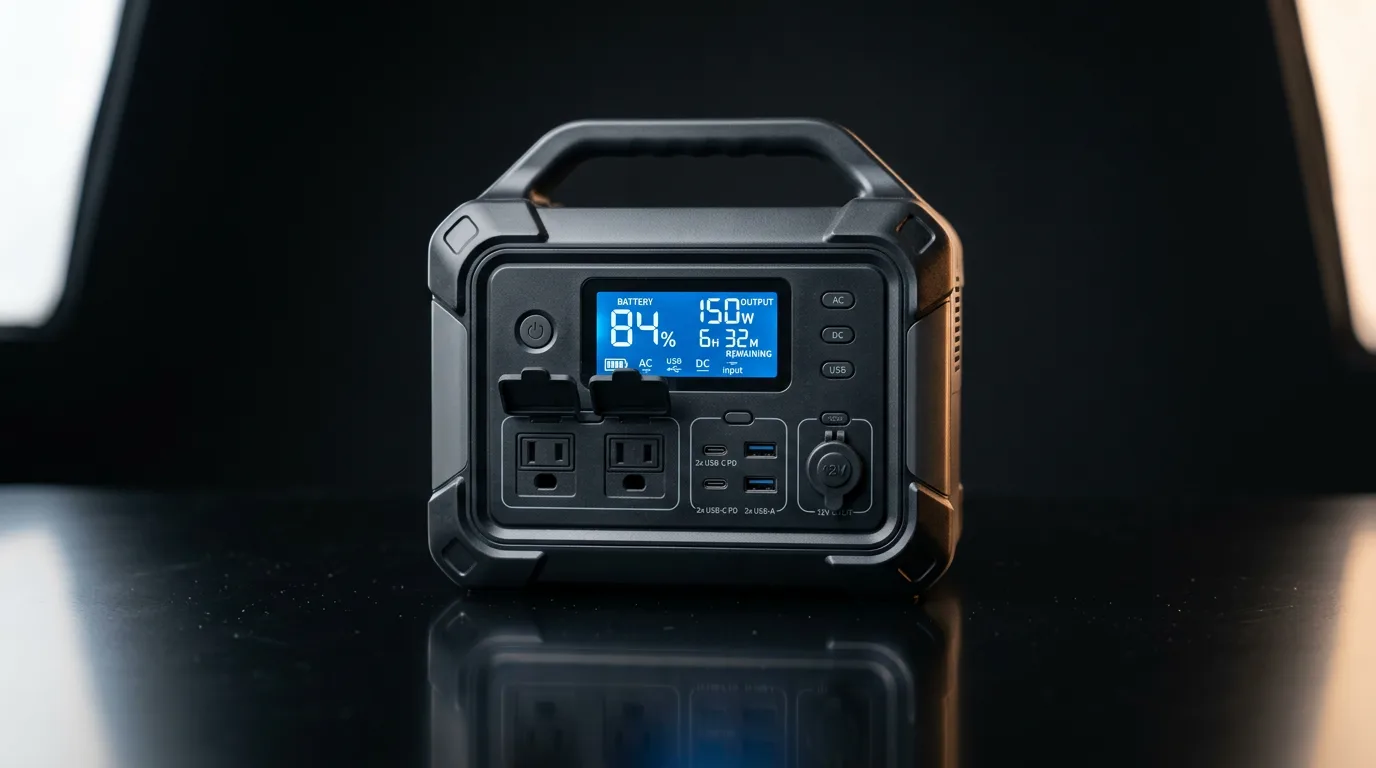
Anker SOLIX C1000 Gen 2
Top-rated mid-range with LiFePO4 and fast charging
Read Review →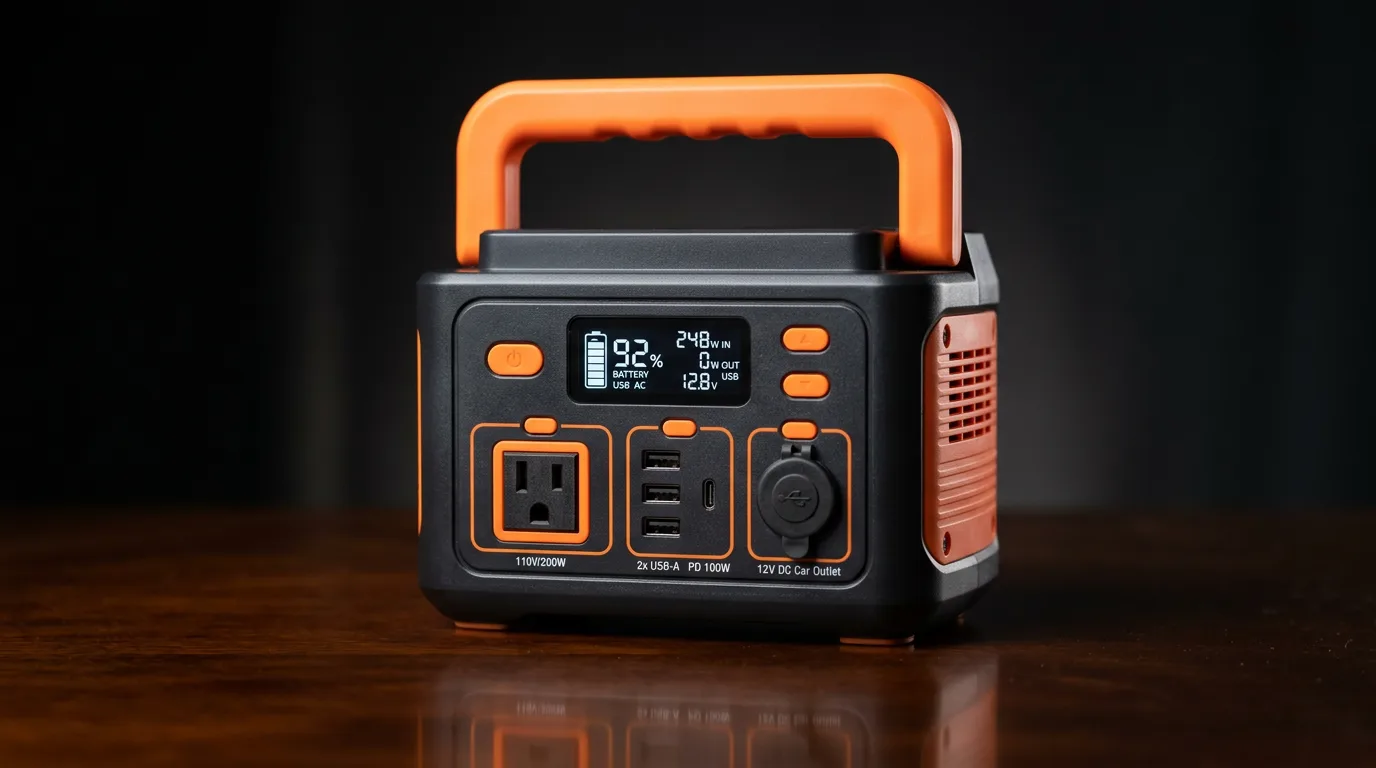
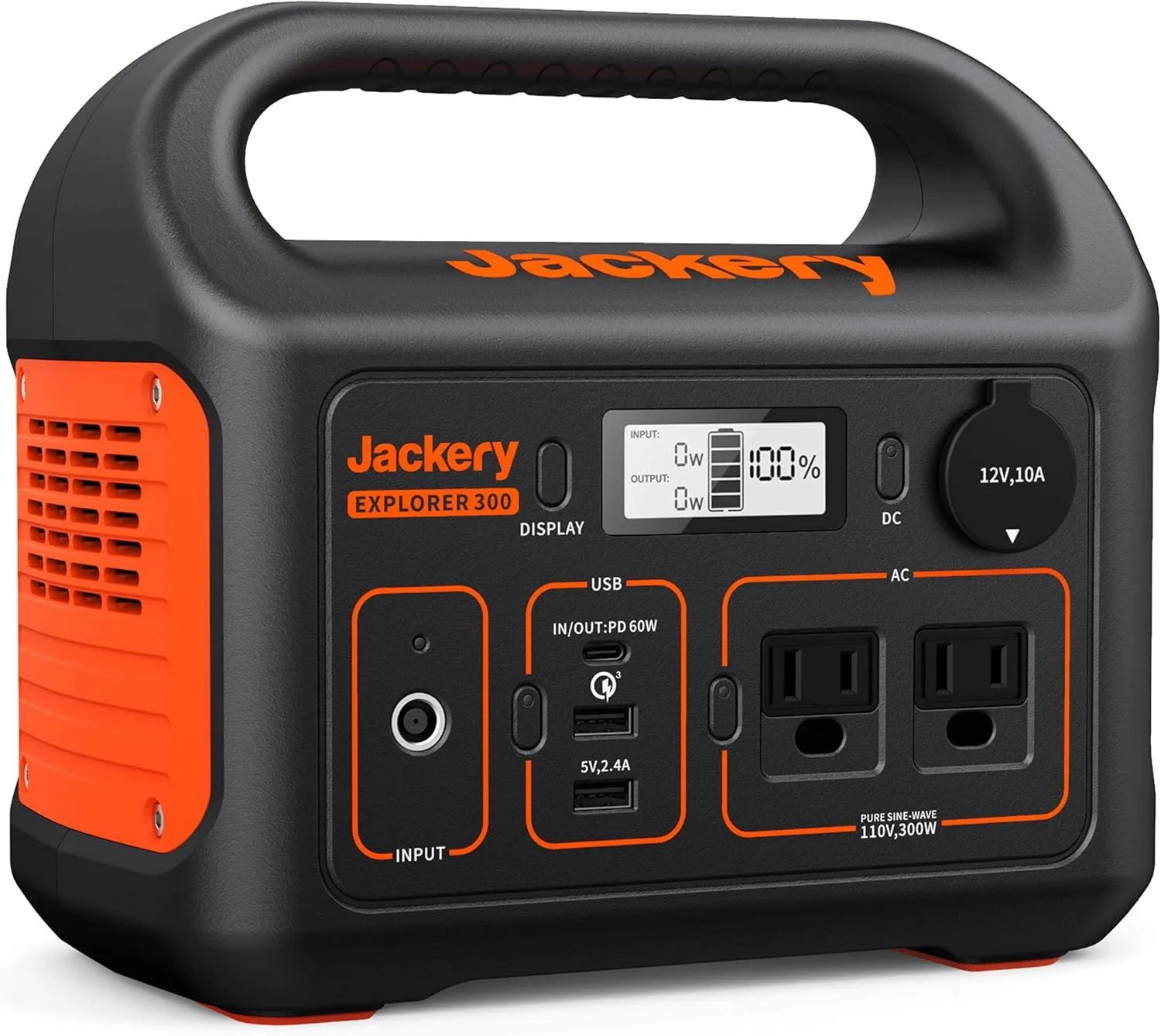
Jackery Explorer 300
Proven compact station at an unbeatable price point
Read Review →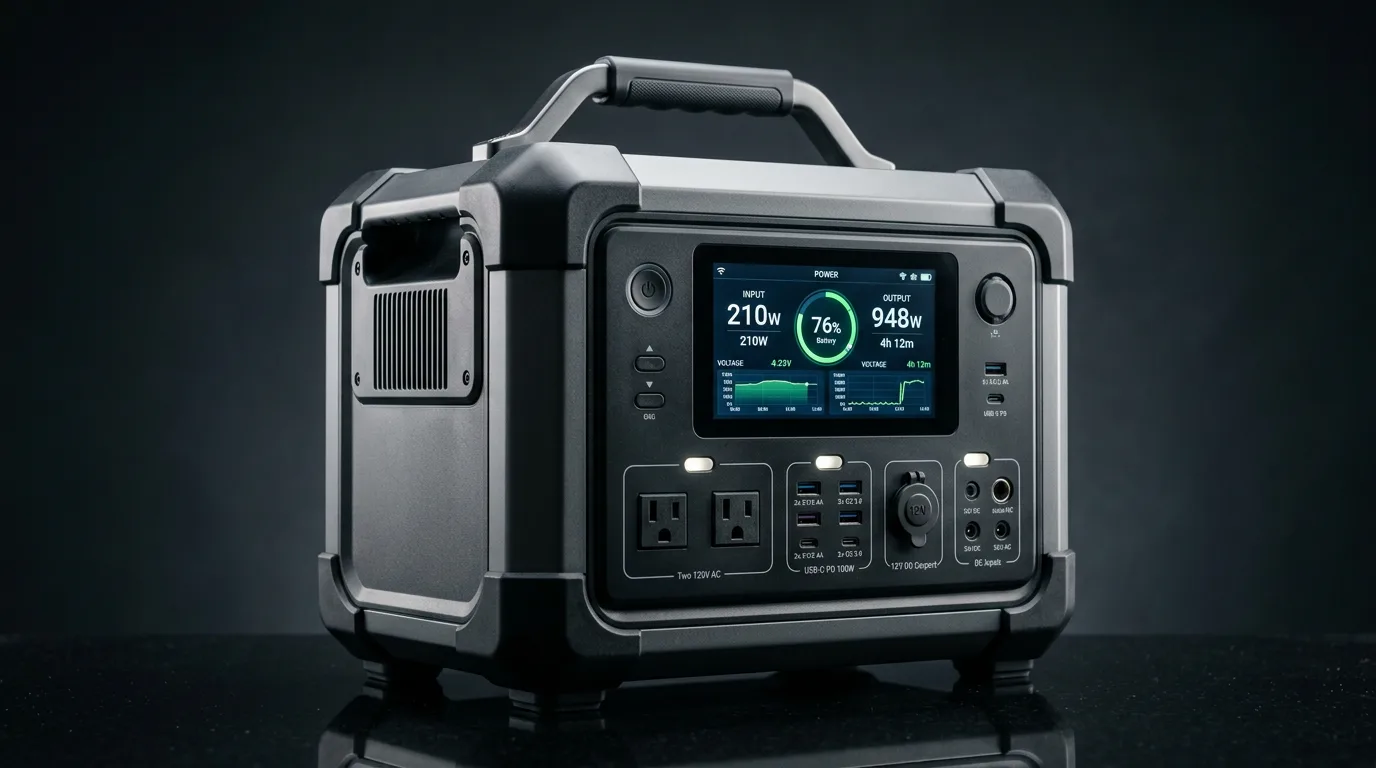
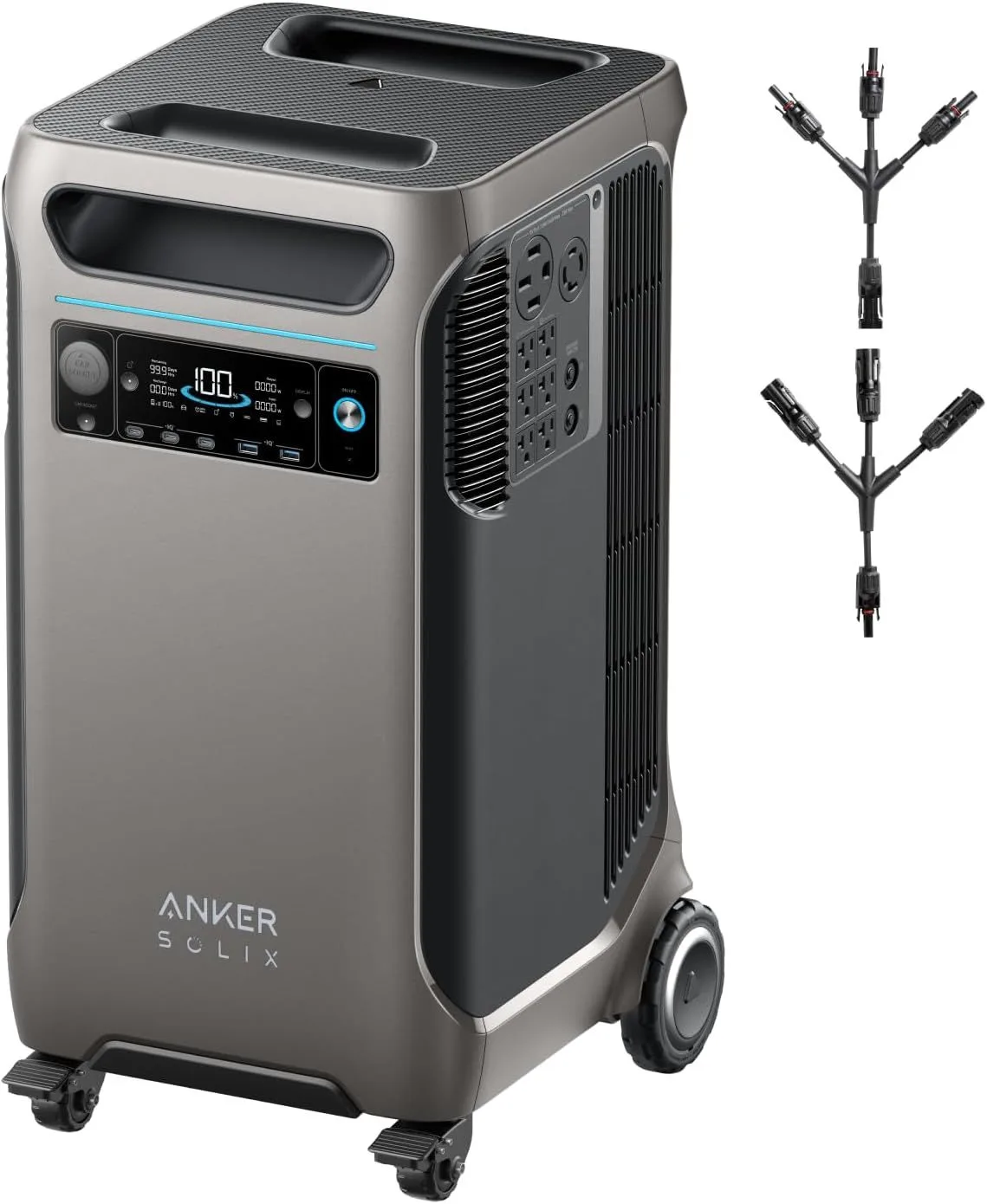
Anker SOLIX F3800
120V/240V whole-home backup with 53.8kWh expandable
Read Review →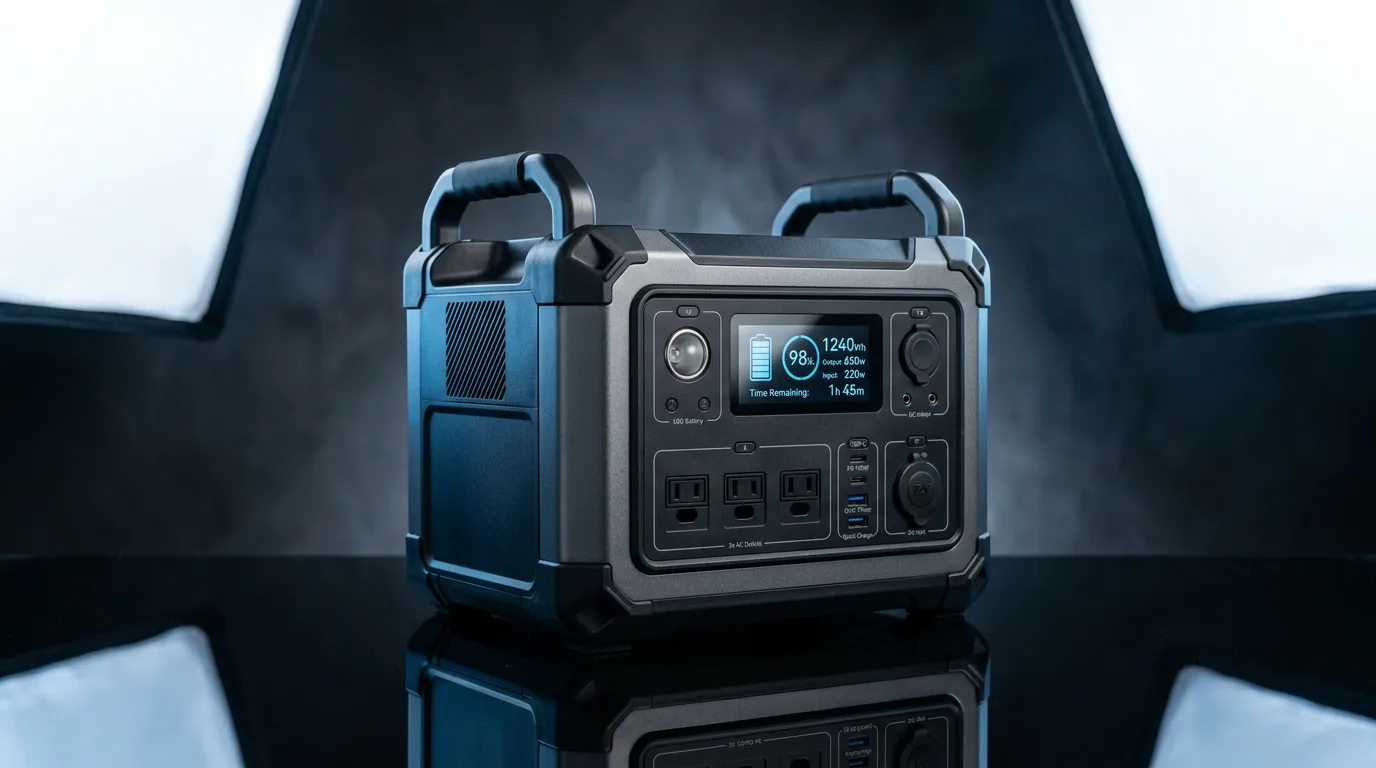
EcoFlow DELTA Pro 3
4kWh LiFePO4 with X-Stream ultra-fast recharging
Read Review →Find Your Perfect Solar Generator
Browse by capacity tier to find the right match for your power needs.
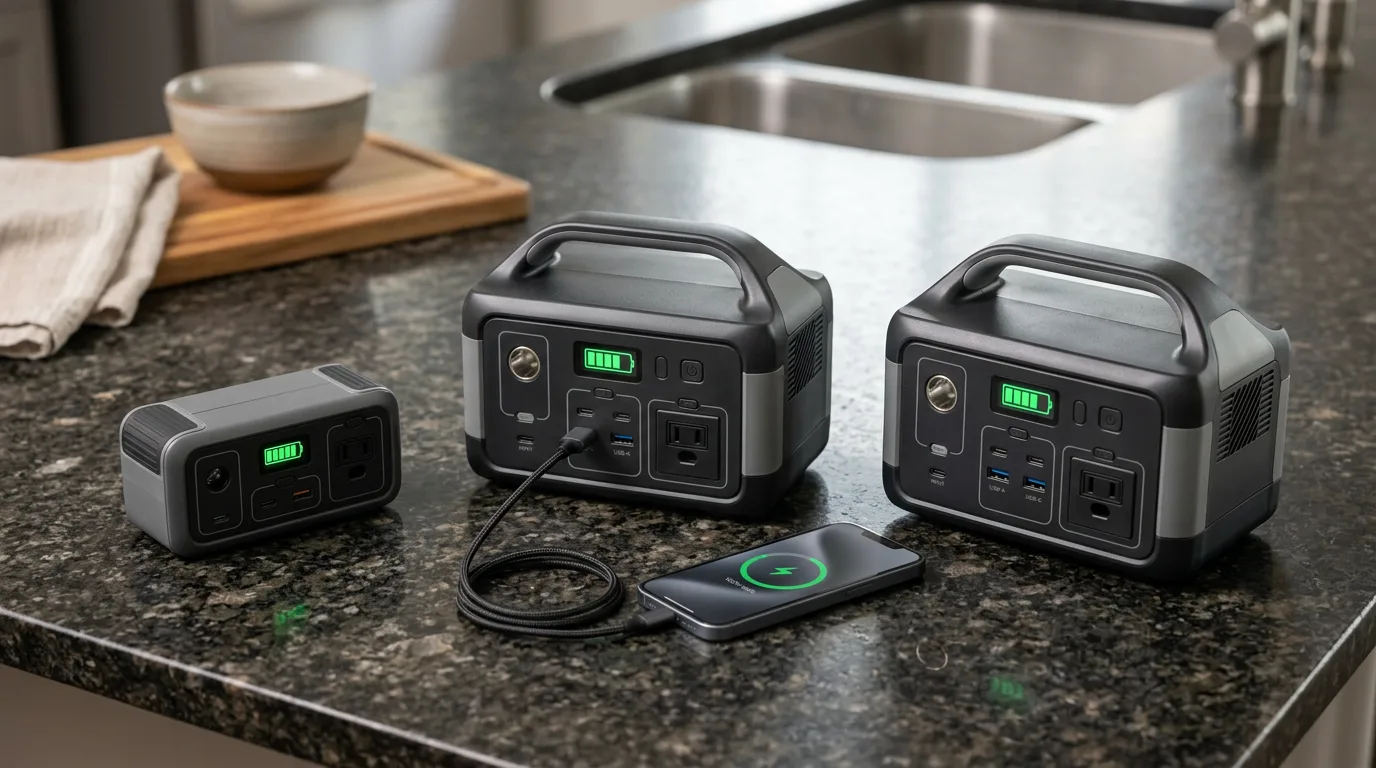
Compact Portable Generators
Under 500Wh — ideal for camping, emergencies, phone/laptop charging, and light outdoor use.
13 products reviewed View Best Of →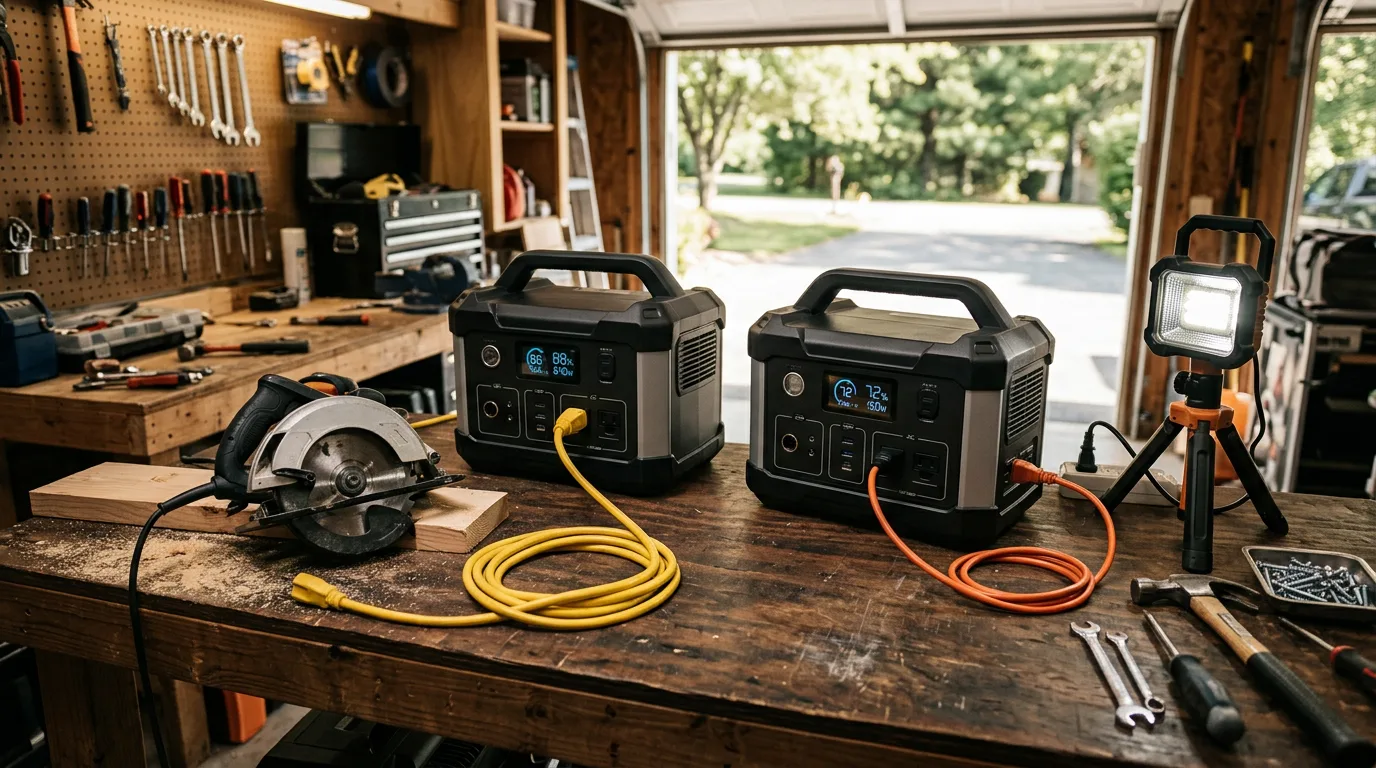
Mid-Range Power Stations
The sweet spot for RV trips, extended camping, and basic home backup with 1000-1200Wh capacity.
8 products reviewed View Best Of →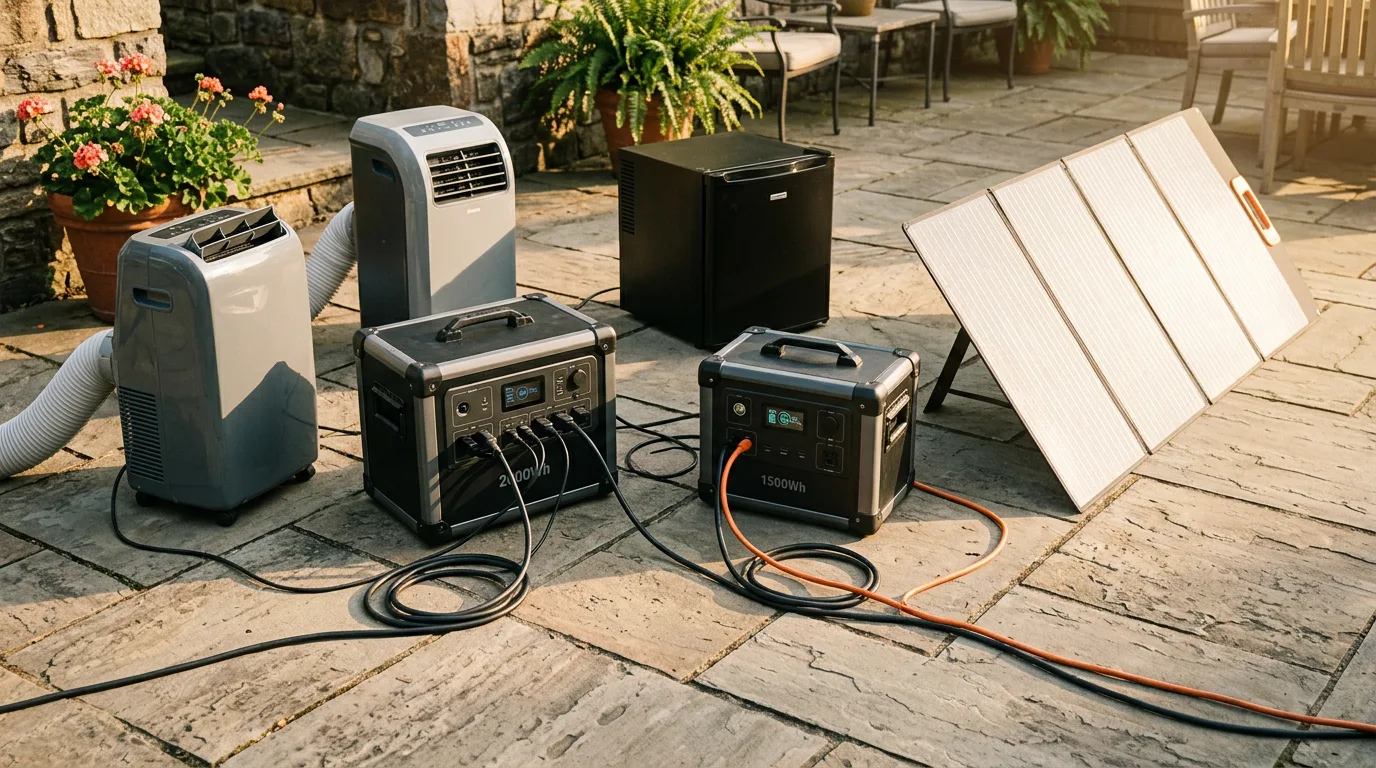
High-Capacity Power Stations
Serious home backup and off-grid living with 1500-3000Wh capacity for powering multiple appliances.
7 products reviewed View Best Of →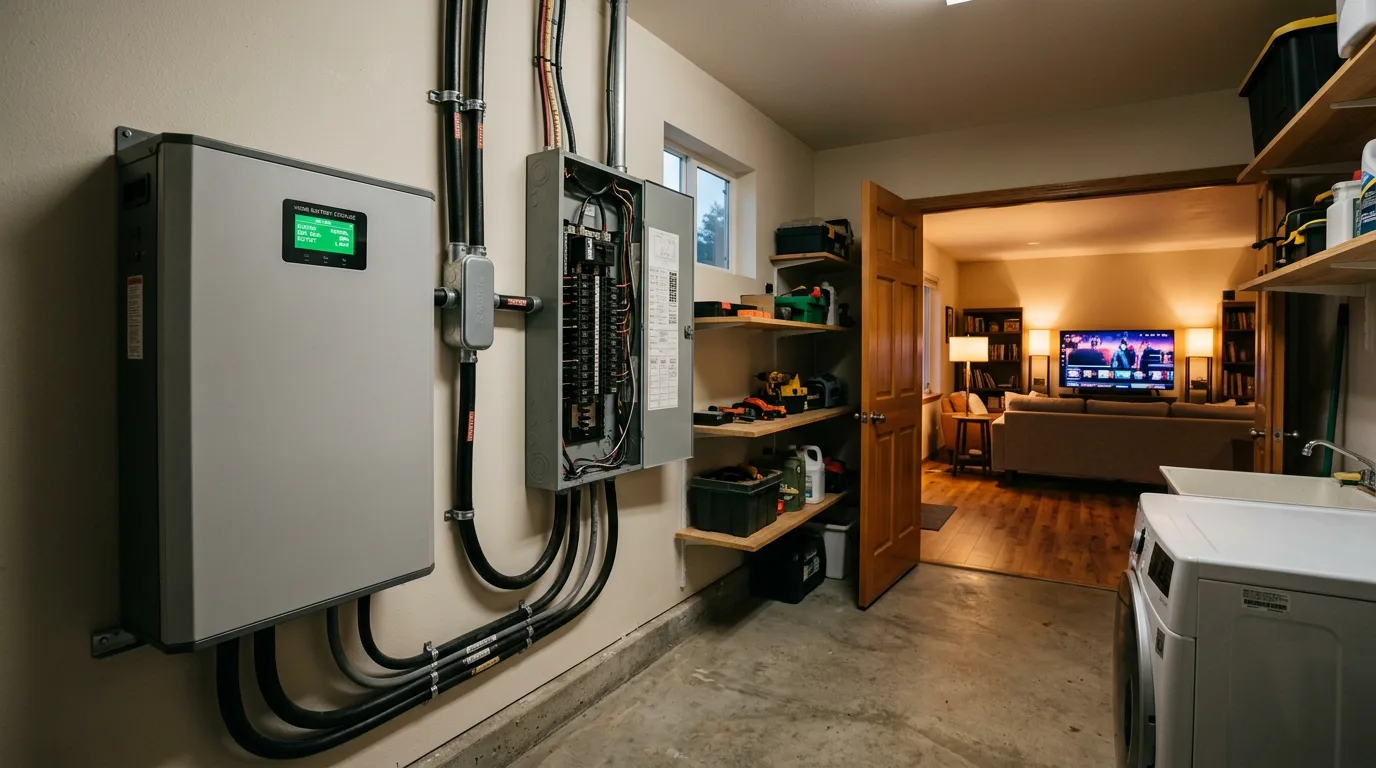
Whole-Home Backup Systems
3000Wh+ with 120V/240V output — full home backup, expandable capacity, and heavy-load support.
7 products reviewed View Best Of →Latest Reviews
In-depth analysis of the most popular solar generators on the market right now.
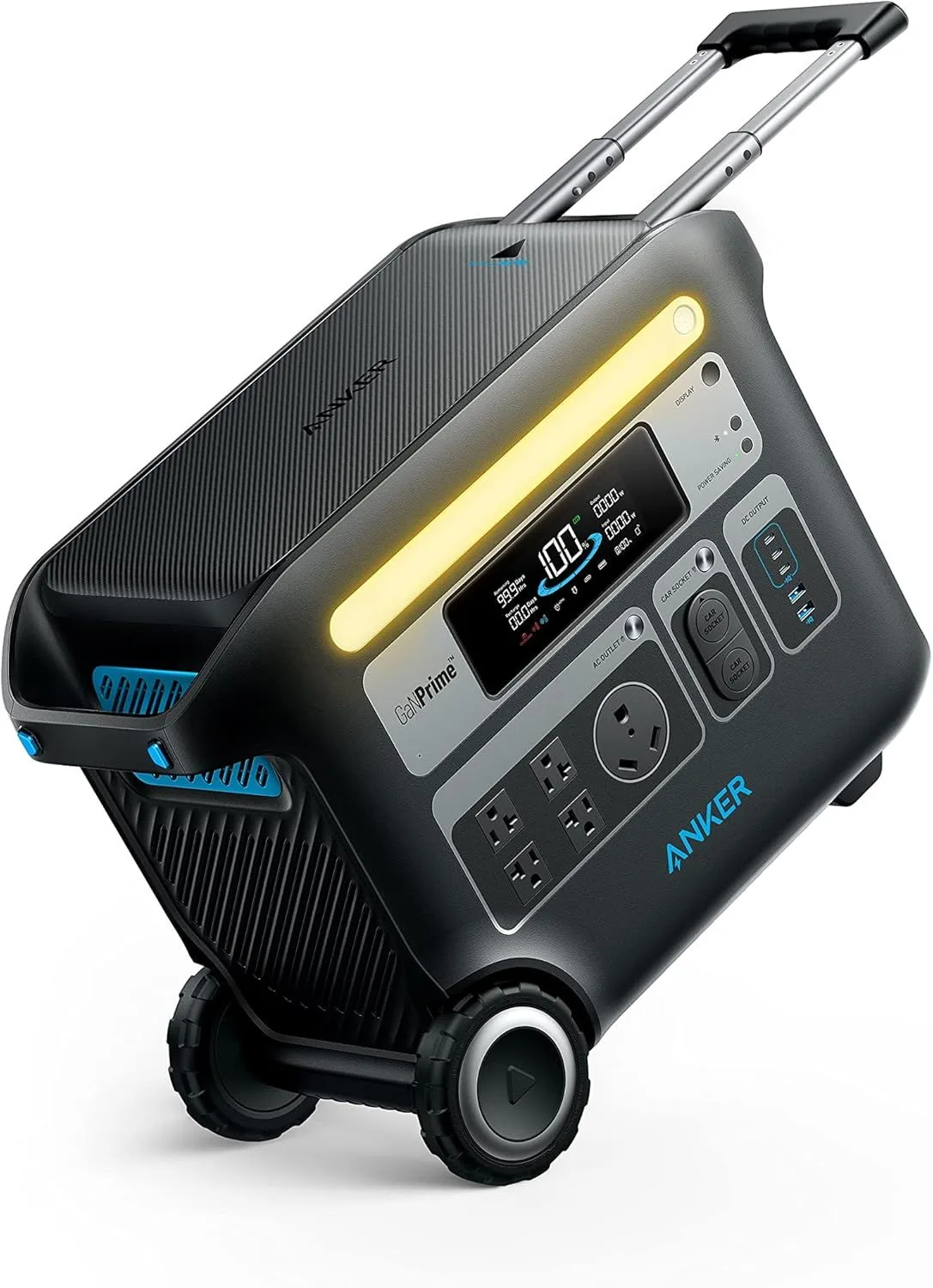
Anker SOLIX C1000 Gen 2
The Anker SOLIX C1000 Gen 2 is the most refined power station in the mid-range lineup — Guinness-certified fastest charg...
Read Full Review →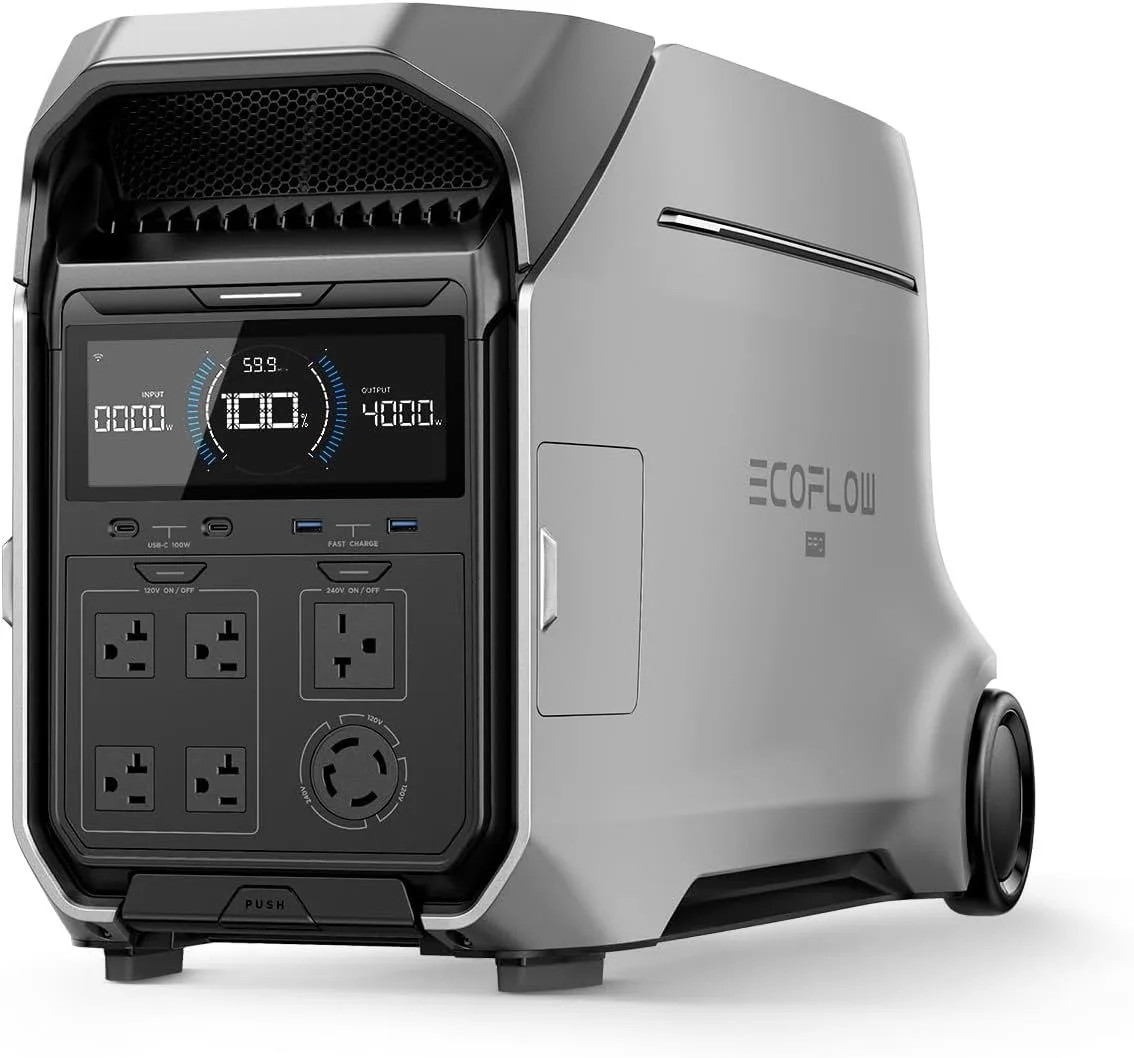
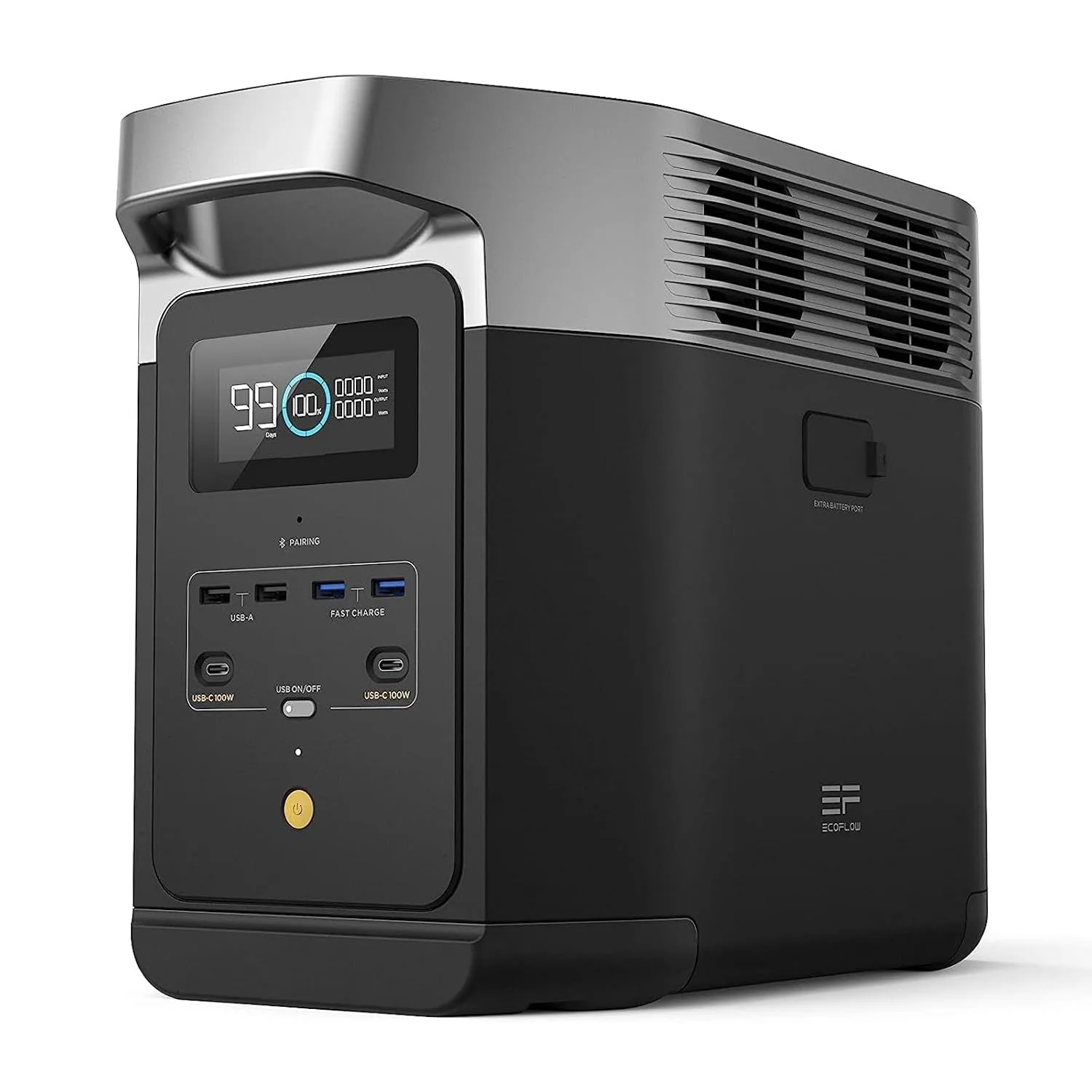
EcoFlow DELTA Pro 3
The EcoFlow DELTA Pro 3 is the most polished power station in this class — it charges faster, runs quieter, and integrat...
Read Full Review →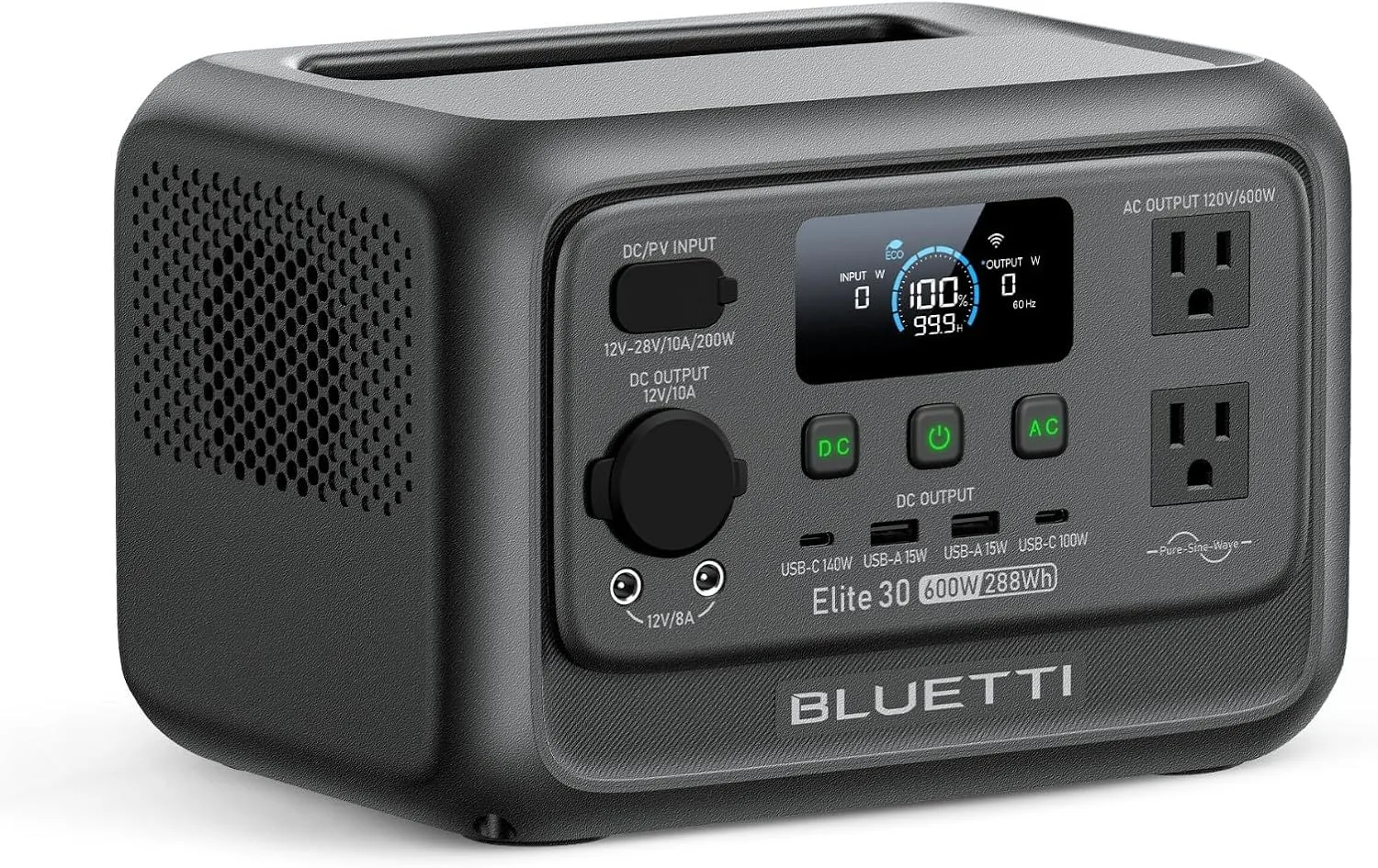
BLUETTI Elite 30 V2
The BLUETTI Elite 30 V2 is the compact power station to beat in 2026. At 288Wh, it matches Anker and Jackery on capacity...
Read Full Review →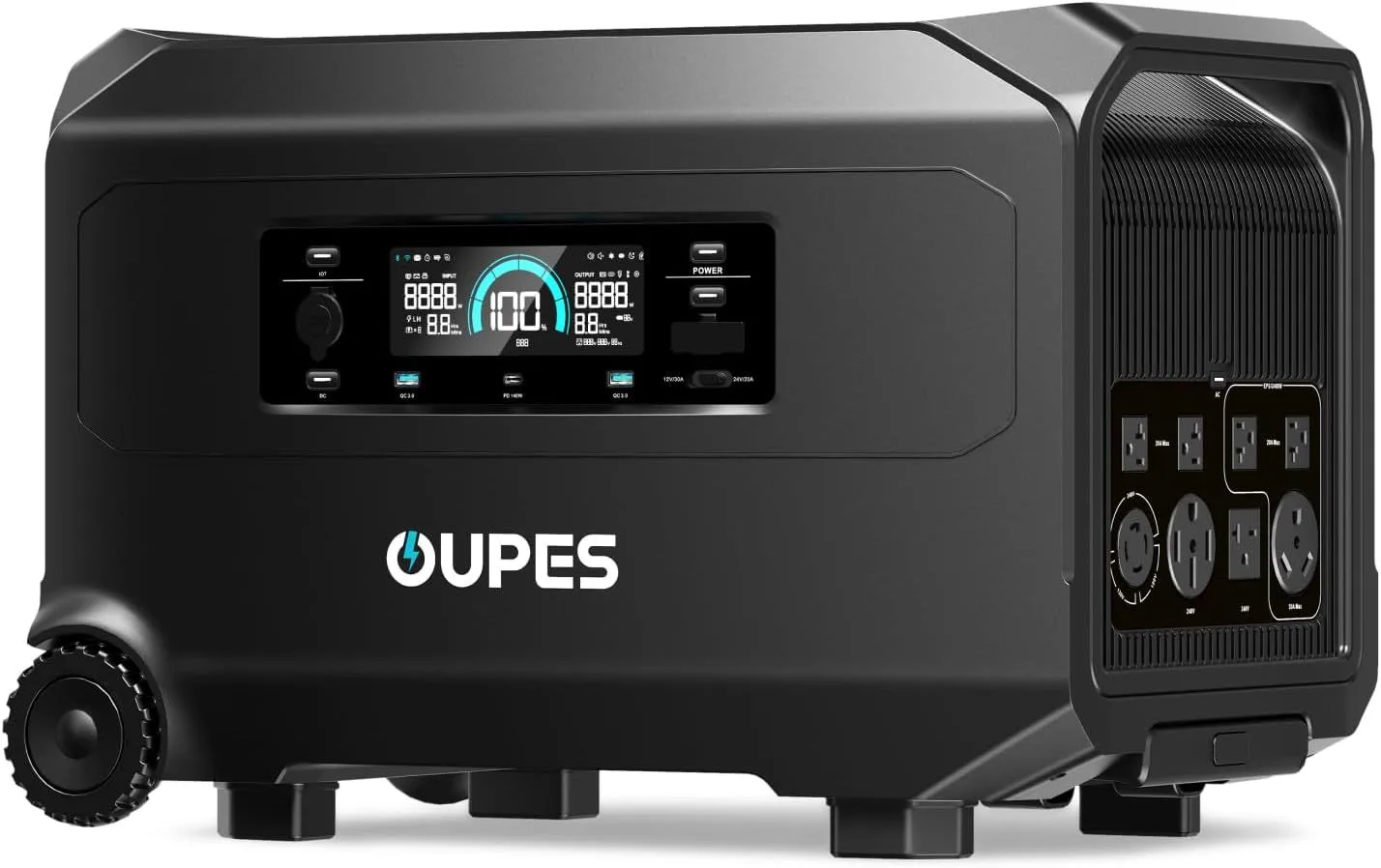
OUPES Guardian 6000
The OUPES Guardian 6000 delivers flagship-level specs at a mid-range price. The inability to charge while outputting 240...
Read Full Review →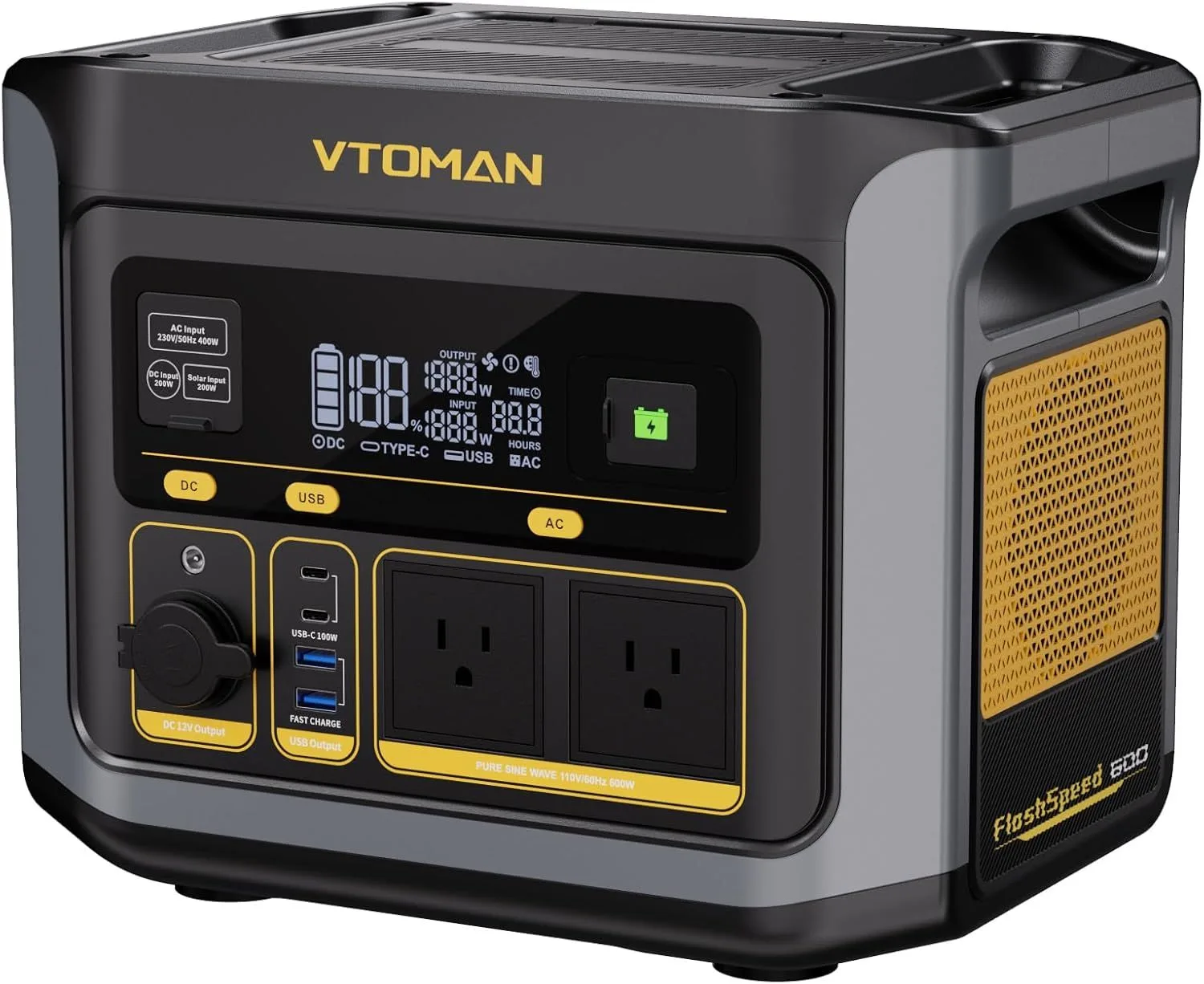
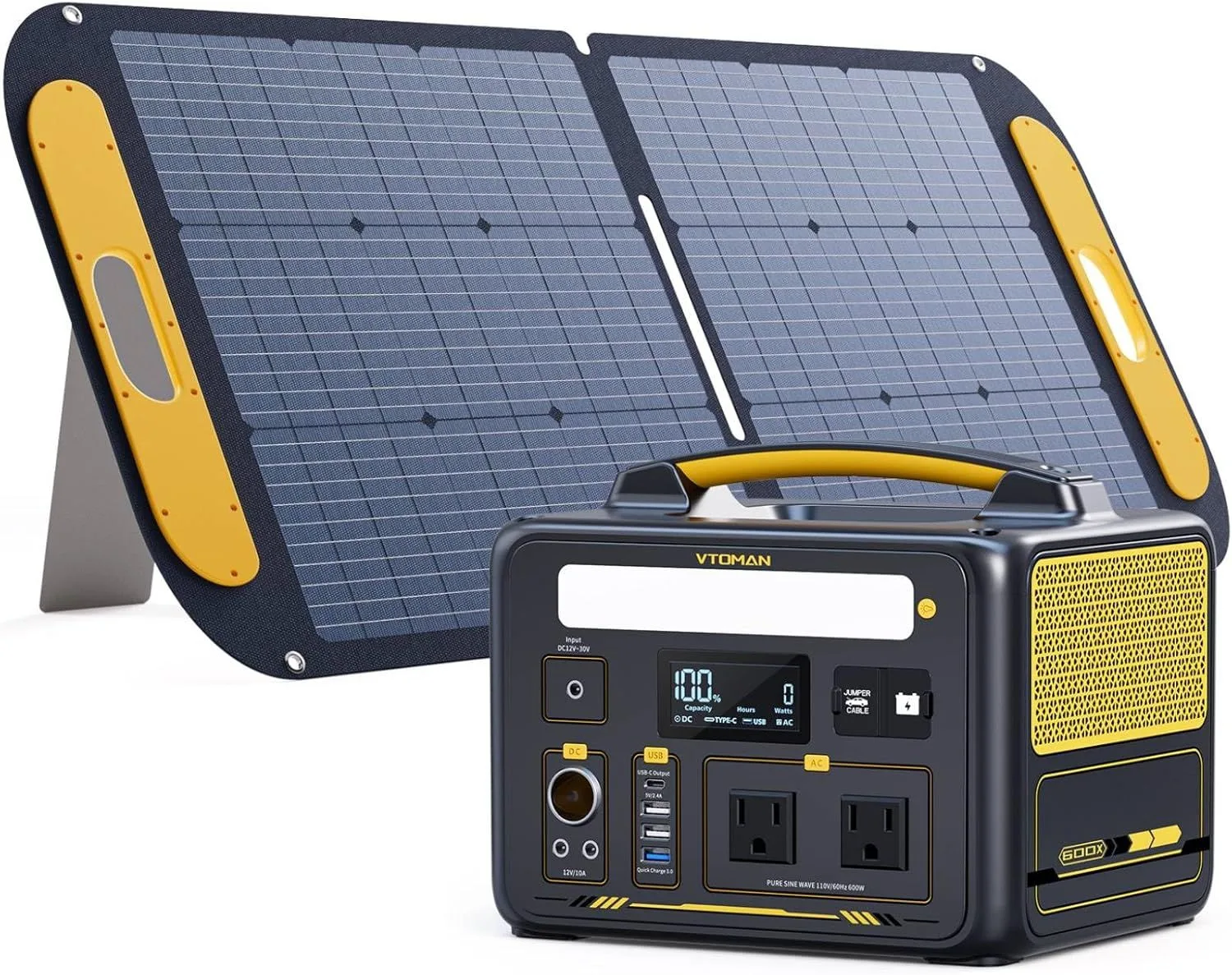
VTOMAN FlashSpeed 600
The VTOMAN FlashSpeed 600 fills the gap between compact portables and mid-range power stations — 499Wh of LiFePO4 at $30...
Read Full Review →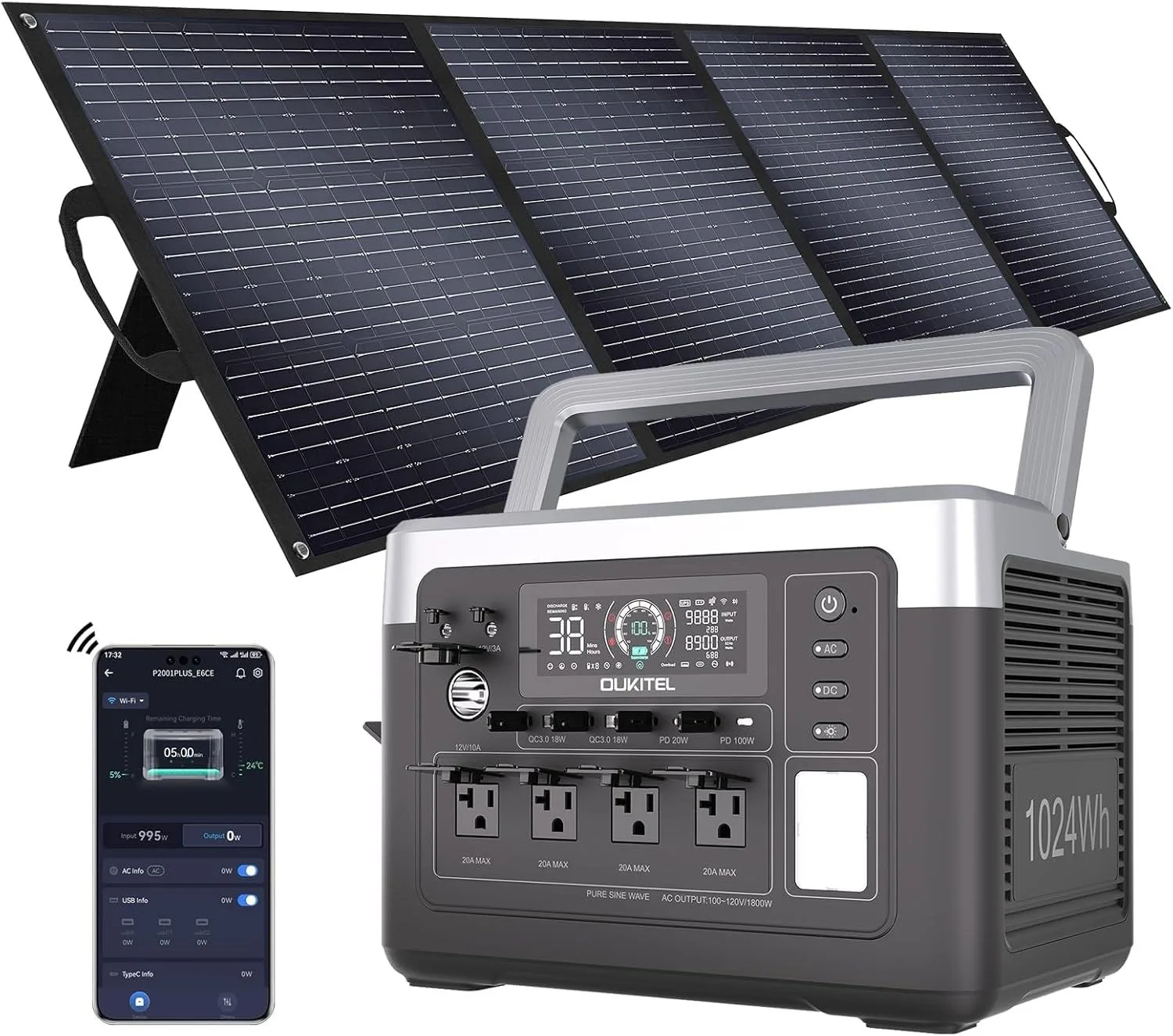
OUKITEL P1000 Plus
The OUKITEL P1000 Plus stands out as the best-value complete solar generator kit in the mid-range class. The inclusion o...
Read Full Review →How We Research
Every recommendation is backed by data, not sponsorships.
Real-World Data
We cross-reference manufacturer specs with thousands of Amazon ratings and independent expert reviews to separate marketing claims from reality.
Unbiased Reviews
Zero sponsorships. We earn the same affiliate commission regardless of which product you choose — our only incentive is helping you pick the right one.
Specs-First Analysis
Battery capacity, cycle life, solar input, surge watts — we compare the numbers that actually matter, not vague marketing superlatives.
Updated Regularly
Prices shift, firmware updates land, and new models launch. We revisit every review to keep recommendations current and accurate.
Popular Comparisons
Head-to-head matchups of the most comparison-shopped solar generators.
Common Questions
What size solar generator do I need for home backup?
For basic home backup (lights, fridge, router, phone charging), aim for at least 1,000Wh. A standard fridge draws 100-200W, so a 1,000Wh unit runs it for 5-8 hours. For whole-home backup including HVAC, you need 3,000Wh+ with 240V output and expansion battery support.
How long does a solar generator take to charge with solar panels?
It depends on the panel wattage and the generator's solar input limit. A 200W panel charging a 1,000Wh unit takes roughly 6-7 hours in direct sun. Units with higher solar input limits (like the Anker SOLIX F3800 at 2,400W) charge much faster with multiple panels — some under 2 hours.
Is LiFePO4 or lithium-ion better for a solar generator?
LiFePO4 wins for longevity and safety — 3,000+ charge cycles vs 500-800 for NMC lithium-ion. LiFePO4 also handles extreme temperatures better and has zero thermal runaway risk. The downside is weight: LiFePO4 units are 15-20% heavier for the same capacity.
Can a solar generator power a refrigerator during an outage?
A standard home fridge draws 100-200W running and 800-1,200W at compressor startup (surge). Most generators above 600W continuous with 1,200W+ surge handle this fine. A 1,000Wh unit keeps a fridge cold for 5-10 hours; a 2,000Wh unit lasts a full day.
Are solar generators worth it compared to gas generators?
Solar generators cost more upfront but have zero fuel cost, zero maintenance, silent operation, and work indoors safely. Gas generators provide more raw power per dollar but need fuel, oil changes, and produce carbon monoxide. For backup under 3,000W, solar is the better long-term investment.
Find Your Perfect Solar Generator
Not sure where to start? Our buying guide walks you through capacity, battery type, solar input, and budget — step by step.